
Heat Pump Repair in Indiana
Across the counties where its people live, Indiana recorded less severe weather from 2015 to 2024 than 41 of the other 49 states.
Tell us about the job
Takes about a minute. No obligation.
- 22°Fwinter overnight low where people live
- 8 monthsof heat, October through May
- 83°Fsummer afternoon high where people live
- 3 monthsof cooling, June through August
Indiana winters are cold, not extreme Your heat pump gets more rest than most
- Southern counties need about 30% more cooling than northern ones
- Winter nights average 22°F where people live
- Summer afternoons average 83°F where people live
- Heat runs October through May
- Cooling runs June through August
- 833 winter storms from 2015 to 2024


October is when a heat pump gets asked to do something it hasn't done since May. If yours has a weak contactor or a low charge, that first cold morning is when it shows up. A checkup in September catches that weak part before the switch, while it's still just weak.
Homes here run heat from October through May, so this system carries most of its load across eight cold months, not three warm ones. A repair that only patches the symptom tends to fail again the next time the system has to work this hard.
A heat pump here isn't fighting extreme cold, so one bad part is the likely story
A heat pump here spends more months heating than cooling, but neither side pushes it hard. Overnight lows average 22°F through December, January and February. That's nowhere near what a heat pump in a colder state has to answer for. Indiana's winter nights are colder than in 31 of the other states, not most of them. A system that hasn't been worked to the edge usually has one thing wrong with it, not three. If yours is short cycling or running constantly without catching up, look for a single cause before assuming the worst.
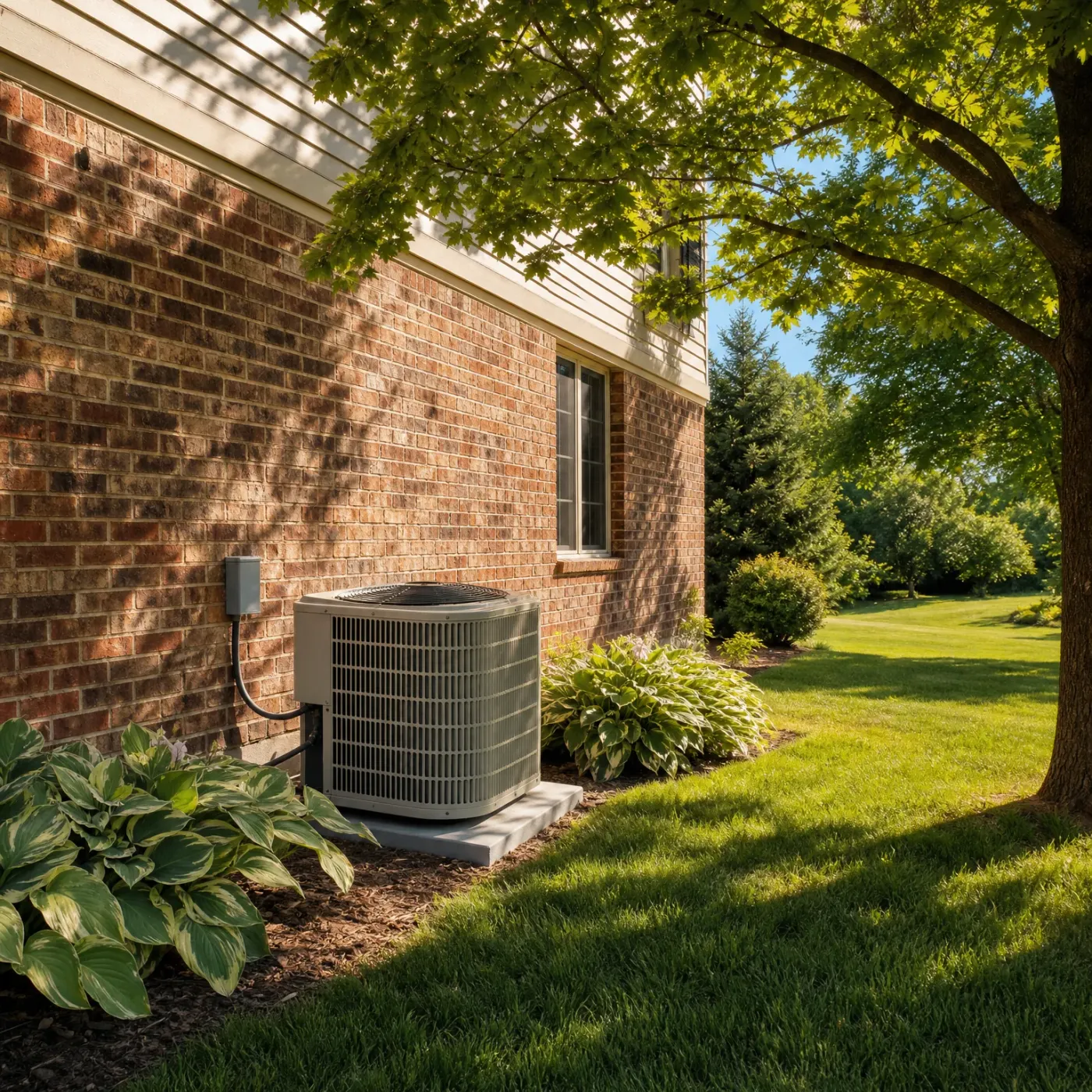
3 months of cooling, June through August
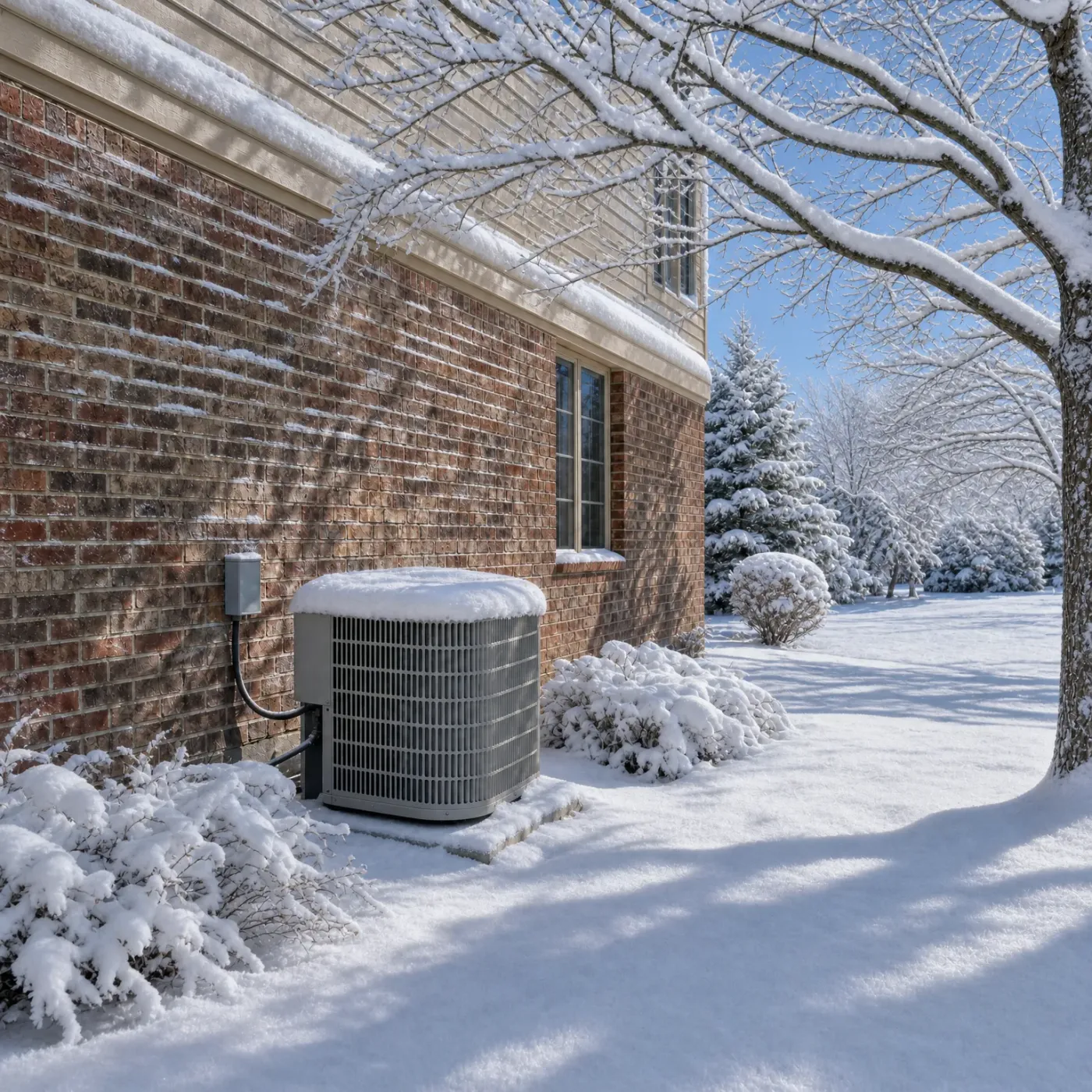
8 months of heat, October through May
A heat pump in Posey County earns its keep differently than one in Steuben County. Posey needs the least cooling in the state and the least heat too, so the system there runs easy both ways. Steuben sits at the other end for heat, needing 47% more of it than Posey, even though its summer afternoons are the mildest in the state at 81°F. Two homes, two very different jobs for the same kind of machine.
That split holds across the whole state, not just those two counties. Northern Indiana needs about 15% more heat over a year than the south. Southern Indiana needs about 30% more cooling than the north. If your heat pump is in the northern counties, the compressor and the parts that handle defrost cycles are doing more of the work. If you're further south, the side that moves heat out of the house in summer carries more of the load.
Vanderburgh County runs the hottest summer afternoons in the state, averaging 87°F across June, July and August. A heat pump there is leaning on its cooling side for longer stretches at higher outdoor temperatures than almost anywhere else in Indiana. That's a different wear pattern than a system in Steuben County ever sees, where the air it's pulling heat from in summer barely gets past 81°F.
None of this points to extreme conditions anywhere in the state. It points to which side of the machine gets used harder depending on where the house sits. A repair call in Posey County and a repair call in Steuben County are answering different questions about the same kind of failure, and knowing which half of the state you're in is where that answer starts.
What does a heat pump in Indiana face?
How hot do summer afternoons get?
83°Faverage afternoon high where people live
Alaska66°F
Arizona101°F
How cold do winter nights get?
22°Faverage overnight low where people live
North Dakota4°F
Hawaii65°F
How many months does the heat run?
8 monthsof heating a year
Hawaii0 months
Alaska12 months
What does electricity cost?
14.77¢per kWh (kilowatt hours, the unit on an electric bill), what homes paid in 2024
North Dakota11.51¢
Hawaii42.86¢
How often do storms hit?
136severe weather events per county from 2015 to 2024
Alaska5
Wyoming1,057
How many homes lost power for a day or more?
17%of homes in 2024
Arizona7%
Maine54%
What it costs to run one here
Electricity here costs less than in most of the country. Indiana homes pay less for it than homes in 25 other states, so a heat pump running here isn't fighting an expensive rate on top of whatever's wrong with it. Homes that cool with one use about 6 million Btu (British thermal units, a measure of heat) of electricity a year doing it, which isn't a lot of strain for a full summer of use. If your bill jumped alongside a heat pump that's acting up, the likely cause is a part wearing out, not the price of power.
What a tech actually checks
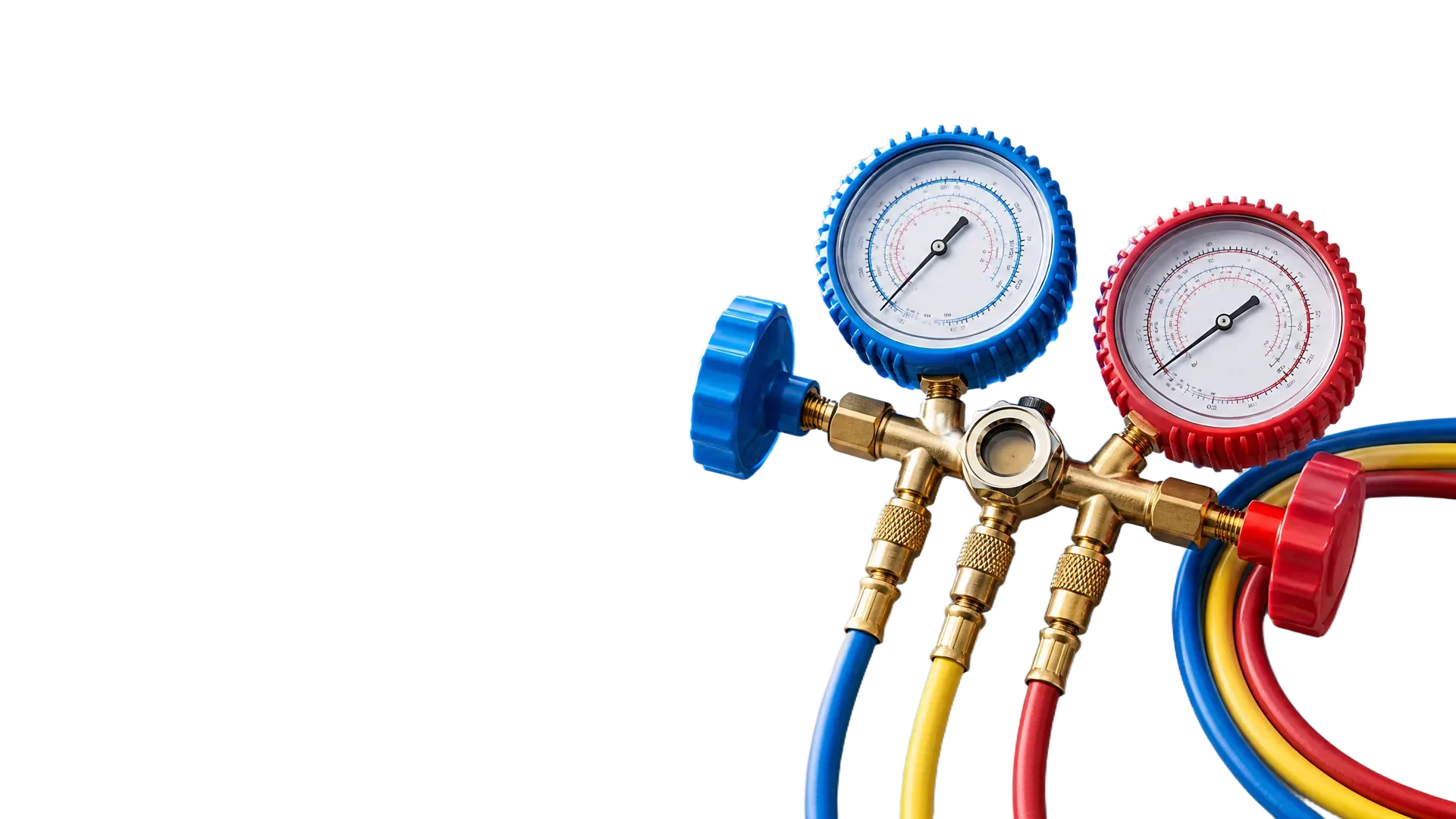
A diagnostic visit starts outside at the outdoor unit. A tech will check refrigerant pressure, look at the compressor, and see how the fan and coil are doing. Low charge, a failing capacitor, and a dirty coil all show up here, and they all feel different to live with but look similar from inside the house. Inside, they'll check the air handler, the filter, and the thermostat settings, since a heat pump that can't move air right will struggle no matter what the outdoor unit is doing. They'll also run the system through a cycle, including a defrost cycle if the outdoor coil has frost on it, because a heat pump that won't defrost properly will ice up and lose capacity even when every part is otherwise sound. The point of all this isn't to replace parts until something changes. It's to find the one thing that's actually wrong, so the repair holds instead of just quieting the symptom for a while.
How old is the system you're fixing
Half the homes in Indiana were built in 1976 or earlier, and most houses in the state are the single-family kind a heat pump gets installed at. If yours came with a house that old, the heat pump itself isn't necessarily that old, since these get replaced more than once over a house's life. Still, it's worth finding out when yours went in. A unit that's been running since the house was still fairly new is a different repair conversation than one installed a few years ago. Before paying for a major repair, ask whoever comes out how much life is likely left in the system. Sometimes the honest answer is that the money's better spent on a new one than on keeping an old compressor going.
Your heat pump is acting up, but Indiana's mild winters rarely push one past a single bad part.
Tell us about the job
Takes about a minute. No obligation.
Fill out the form and a licensed contractor will call to schedule a look at your system.