
AC Installation in Indiana
Across the counties where its people live, Indiana recorded less severe weather from 2015 to 2024 than 41 of the other 49 states.
Tell us about the job
Takes about a minute. No obligation.
- 83°Fsummer afternoon high where people live
- 3 monthsof cooling, June through August
- 14.77¢ per kWhwhat homes paid for power in 2024 (kWh means kilowatt hours, the unit on an electric bill)
- 1,512hail events from 2015 to 2024
Indiana summers don't push AC hard. Standard sizing holds up statewide.
- Southern counties need about 30% more cooling than northern ones
- Summer afternoons average 83°F where people live
- Cooling runs June through August
- 1,512 hail events from 2015 to 2024
- 4,753 damaging wind events from 2015 to 2024
- 17% of homes lost power a day or more in 2024

Half of Indiana's homes were built in 1976 or earlier.

Gas heats most homes in Indiana, 58.6 percent, and that shapes what an AC installation looks like here. A gas furnace usually shares the air handler with the AC system, so the new condenser and coil have to match up with that furnace's blower. If your home is one of the 31.2 percent running on electric heat instead, you're more likely looking at a heat pump setup, which handles cooling the same way but also carries the heating load.
Whatever is heating your home now is worth checking before you install new cooling, since the two often share ductwork and sometimes the same indoor unit. Bottled or LP gas and fuel oil heat a small share of homes in the state, 7.2 percent and 0.5 percent, and those systems typically stand apart from the AC rather than tying into it. Knowing which setup you have tells a contractor what the new system needs to connect to, not just what size to install.
Three months of work, best planned before the first one
Cooling runs June through August here, three months out of the year. May is the last clear month to get a new system in before that starts. Put it in then and the install happens on your schedule, with time to fix anything that needs adjusting before the heat arrives. Wait until the old system fails in the middle of summer and you're taking whatever appointment you can get.
3 months of cooling, June through August
8 months of heat, October through May
Cooling here depends more on where you are in the state than the statewide numbers let on. Homes across Indiana's southern counties need about 30% more cooling over a year than homes across the northern counties, and they run their systems about four months a year against three up north.
Posey County sits at one end of that range, needing about two and a half times the cooling of Steuben County, where the state's cooling need is lowest. Vanderburgh County runs cooling the longest in the state, and its summer afternoons run hottest too. Lake County runs cooling the shortest. Steuben County sees the mildest summer afternoons in the state.
A system sized for Steuben County isn't sized for Posey or Vanderburgh County. If you're in the southern part of the state, a contractor needs to account for more cooling days and hotter afternoons than the statewide average suggests. If you're further north, the standard approach that works statewide is less likely to leave you underserved.
Hail is worth asking about too. Indiana sees more hail than most other states across the counties where its people live. That's a question for the outdoor unit's placement and protection, not the sizing, but it's part of what an installation here has to hold up against.
What does an AC in Indiana face?
How hot do summer afternoons get?
83°Faverage afternoon high where people live
Alaska66°F
Arizona101°F
How many months does the cooling run?
3 monthsof cooling a year
Alaska0 months
Hawaii12 months
What does electricity cost?
14.77¢per kWh, what homes paid in 2024
North Dakota11.51¢
Hawaii42.86¢
How often do storms hit?
136severe weather events per county from 2015 to 2024
Alaska5
Wyoming1,057
How many homes lost power for a day or more?
17%of homes in 2024
Arizona7%
Maine54%
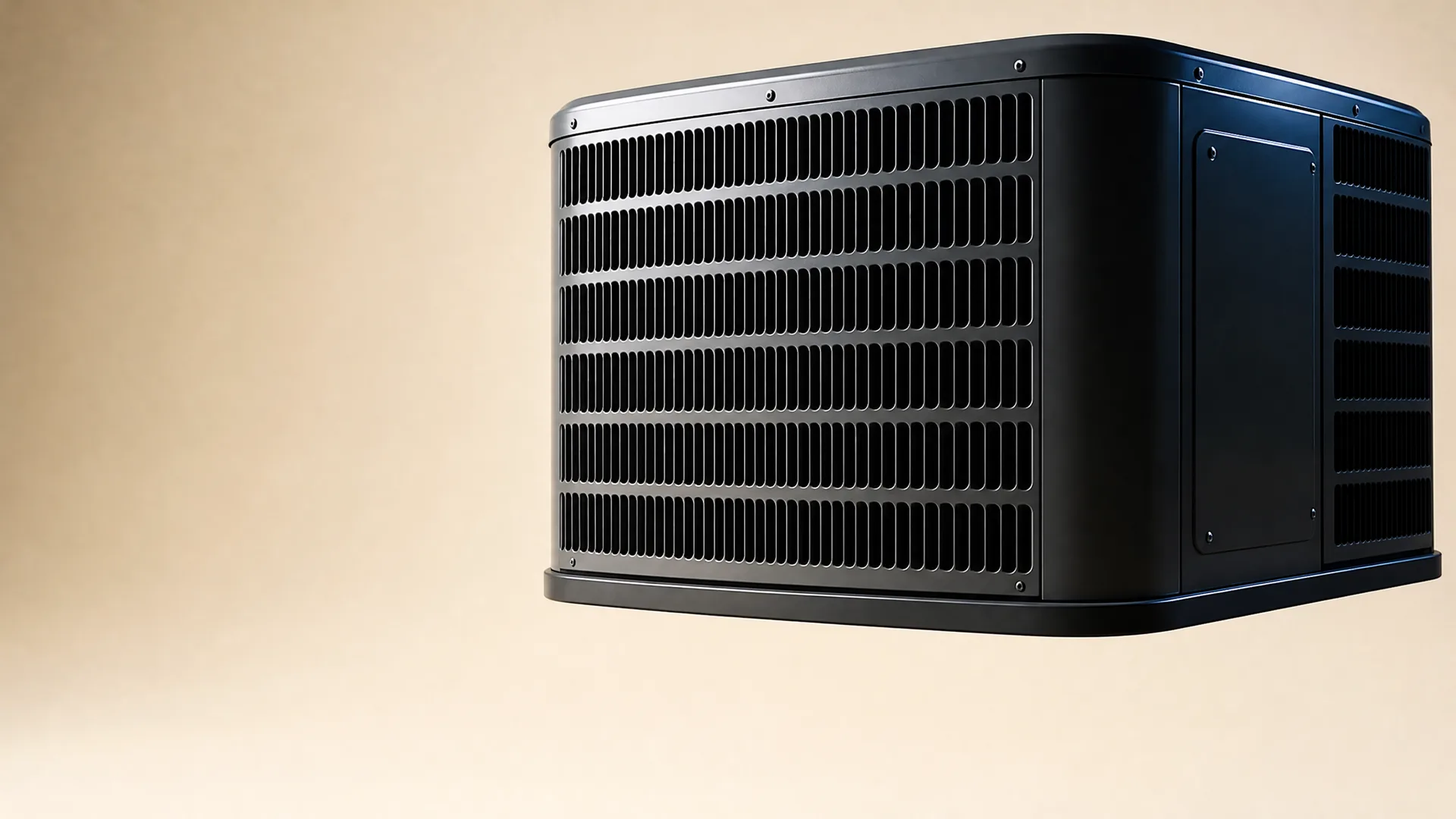
A standard condenser, placed to survive hail
Summer afternoons in Indiana average 83°F, and the system only has to meet that for three months out of the year. That's milder than what most other states deal with, so there's no case for sizing a unit bigger here on the assumption of heavier heat ahead. The outdoor unit itself is the part worth thinking about at install. Indiana sees more hail than most other states across the counties where people live, so where the contractor places that condenser, and whether it has some kind of guard over the coil, is a fair question to raise before the work starts.
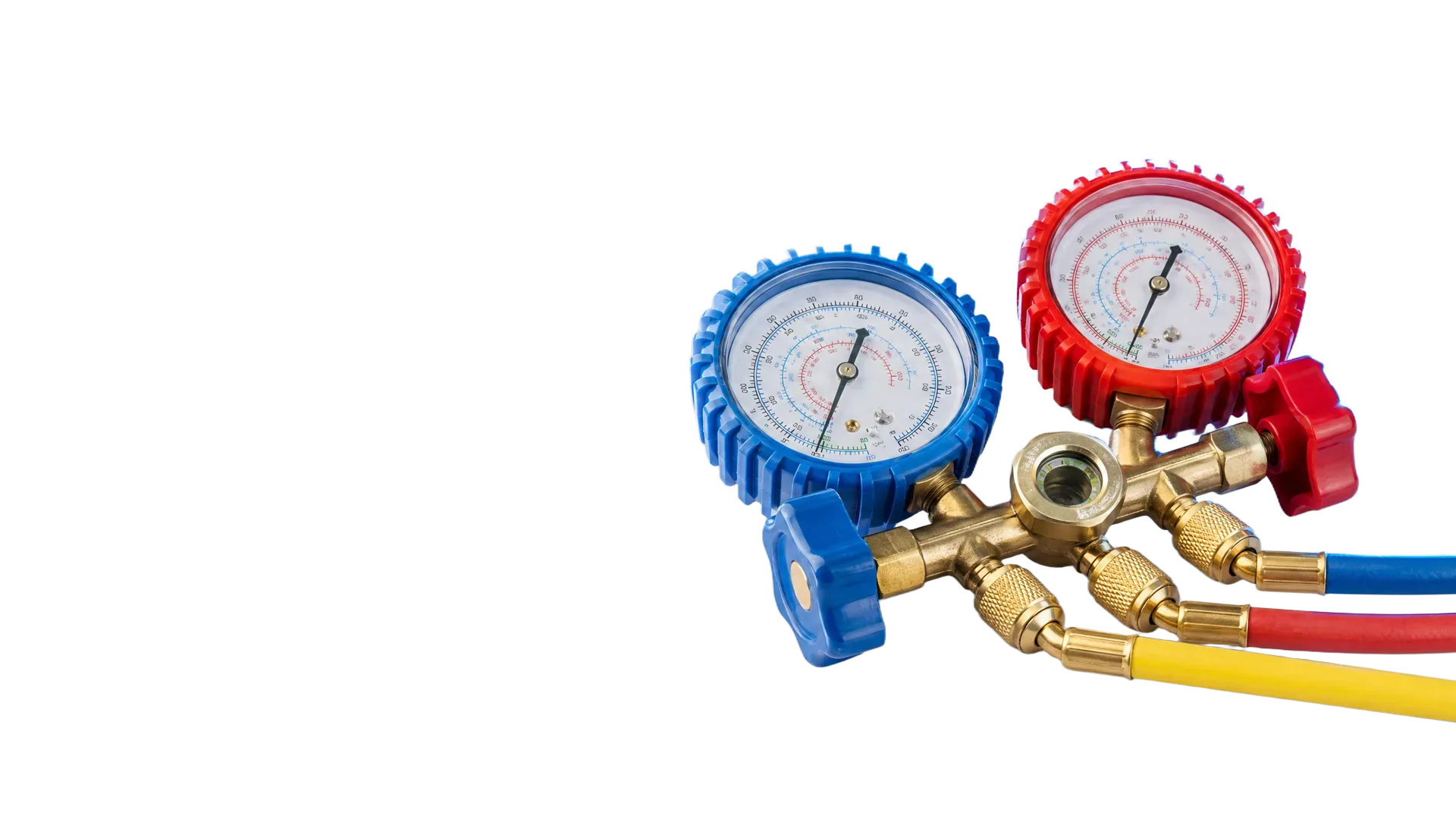
What changes the price of an install
What makes one installation cost more than another usually comes down to how much has to change to get the new system running, not just the unit sitting outside. If the new condenser matches the old one in size and refrigerant type, a contractor can often reuse the existing line set. Step up in size, or switch refrigerant types, and that line set may need replacing too. The ductwork matters as much as the equipment. A correctly sized system still won't cool the house evenly if the ducts are too narrow, leaking at the joints, or never designed for the airflow a new system moves. Some installs need duct work alongside the equipment swap, and some don't. There's no way to know which until someone's looked at what's actually running through the walls and attic. The electrical side can change the job too. Older disconnects or breakers sometimes need upgrading to match a new unit's draw. None of this shows up in the price tag on the equipment. It shows up once a contractor is standing in front of the furnace, the ducts and the panel, seeing what the new system actually has to connect to.
An older house needs a system that fits it
Half the homes in Indiana were built in 1976 or earlier. A house that old was almost never built with central air. That means the ductwork, if it's there at all, was often added later, sized for whatever system went in at the time rather than planned alongside the house. When a new AC goes into a home like this, the existing ducts are one of the first things worth checking, not the unit itself. Most of the housing stock in the state is single-family houses, which at least means a contractor is usually dealing with one system and one set of ducts rather than something shared across units. Older doesn't mean a harder install. It means someone needs to look at what's already there before deciding what the new system has to work with.
Summers here are mild enough that a standard system, installed before June, is all this job calls for.
Tell us about the job
Takes about a minute. No obligation.
Fill out the form once and Indiana AC installers will reach out with what they can offer.