
AC Repair in Indiana
Across the counties where its people live, Indiana recorded less severe weather from 2015 to 2024 than 41 of the other 49 states.
Tell us about the job
Takes about a minute. No obligation.
- 83°Fsummer afternoon high where people live
- 3 monthsof cooling, June through August
- 14.77¢ per kWhwhat homes paid for power in 2024 (kWh means kilowatt hours, the unit on an electric bill)
- 1,512hail events from 2015 to 2024
Summers here don't push your AC hard Three months of real heat, June to August
- Southern counties need about 30% more cooling than northern ones
- Summer afternoons average 83°F where people live
- Cooling runs June through August
- 1,512 hail events from 2015 to 2024
- 4,753 damaging wind events from 2015 to 2024
- 17% of homes lost power a day or more in 2024


- Cold air coming back through the vents, blowing at the temperature you set it for
- A compressor that starts up and runs without tripping the breaker again
- Airflow restored at every register, not just the ones near the thermostat
- The refrigerant leak found and sealed, not just topped off for the season
- A capacitor or contactor replaced before it strands the compressor for good

Electricity in Indiana runs 14.77 cents a kilowatt-hour, cheaper than in 25 other states. Air conditioning is not the big draw on a bill here that it is in hotter states, either. None of that points to a system working harder than it should.
So when an AC here needs a repair, it is not because the climate asked too much of it. It is a part that failed on its own schedule. A capacitor, a contactor, a leak that finally opened up. The fix is the same one a tech would make anywhere, and the system should run just as many years as one in a milder state once it is made right.
June is when last year's weak part gives out
June is when it gets tested. The system sits most of the year without the compressor running much, and the first real hot stretch is what finds whatever went weak in that time. A capacitor that was marginal last August will often fail outright this June. Getting it looked at in May, before the load hits, catches that kind of thing on your schedule instead of on the hottest afternoon of the summer.
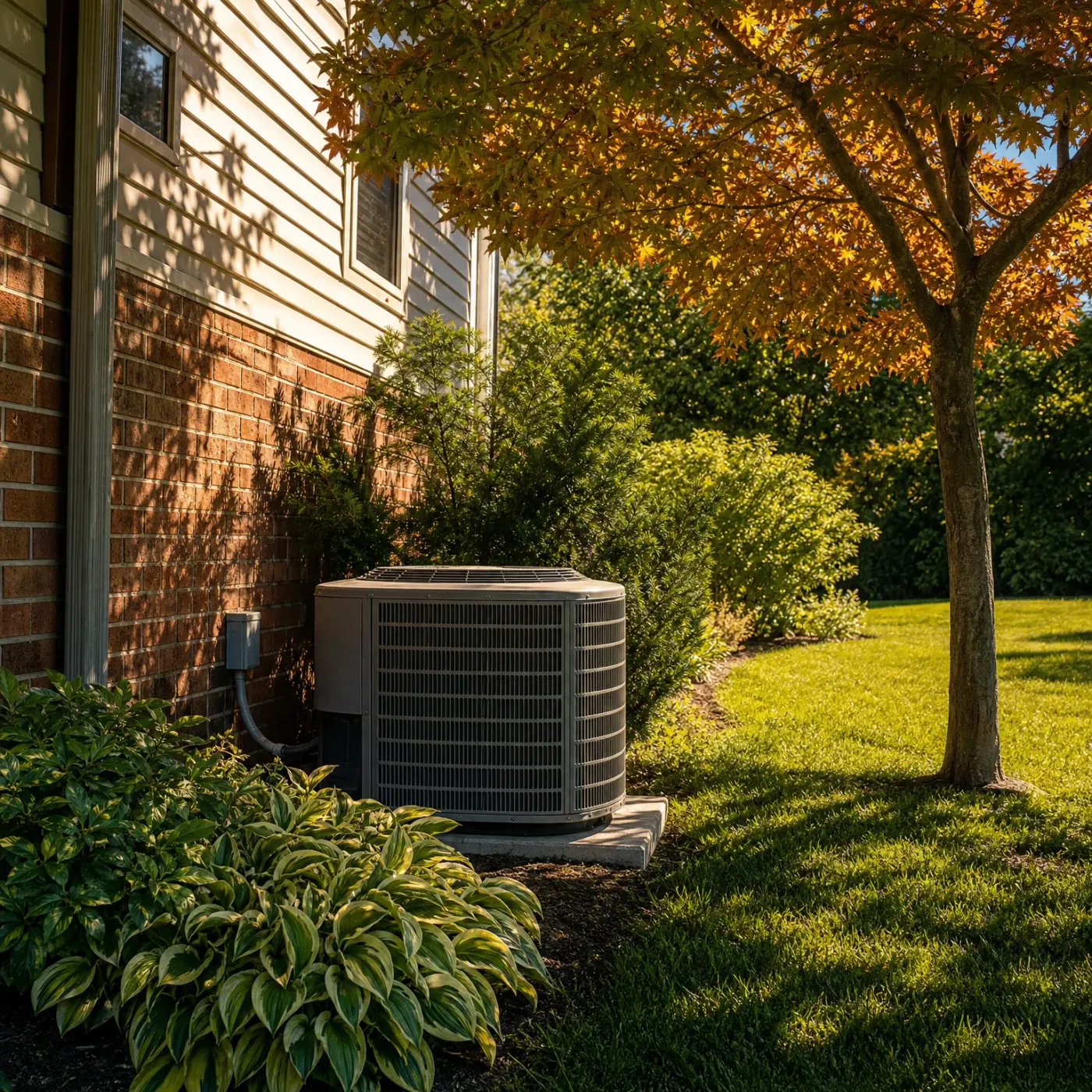
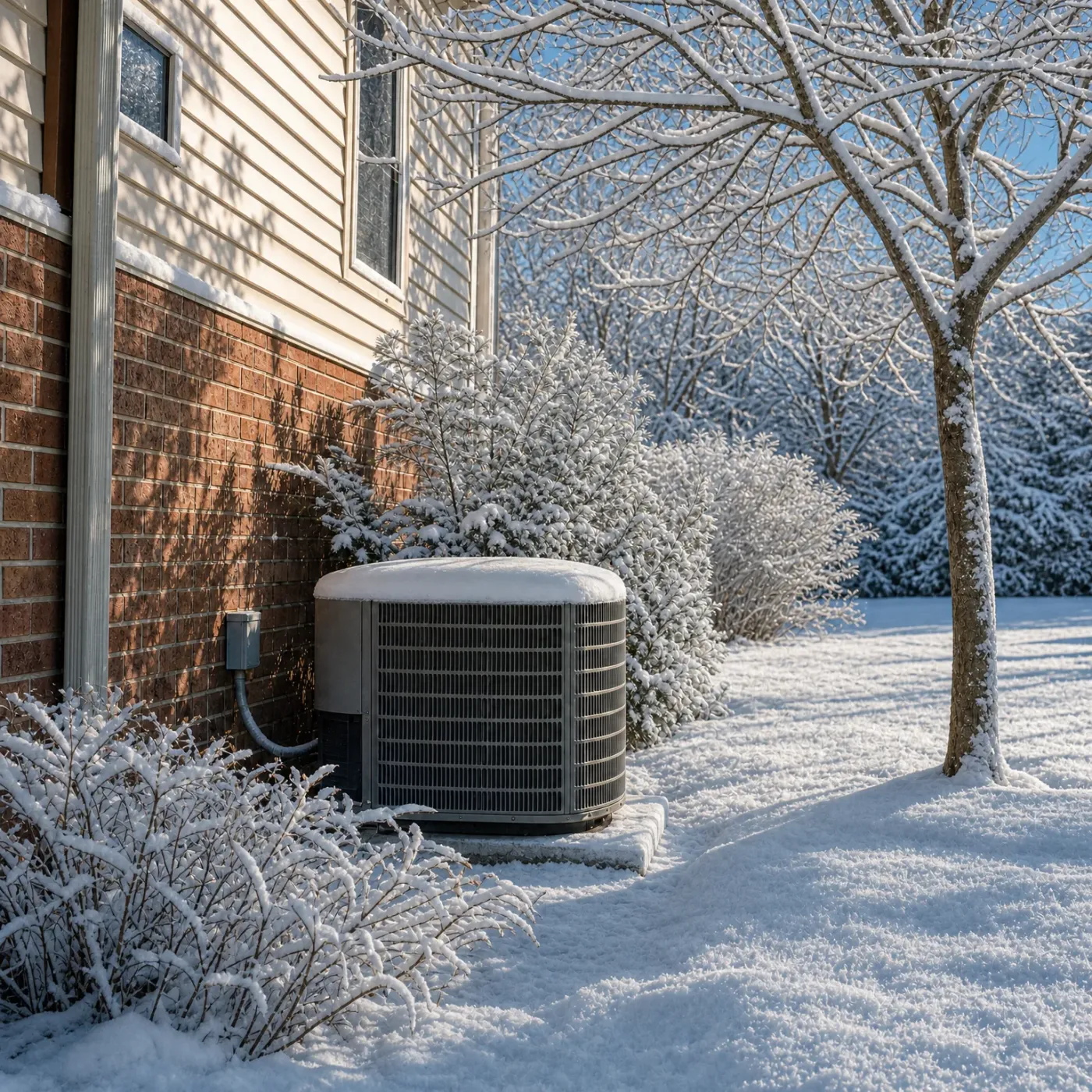
3 months of cooling, June through August
8 months of heat, October through May
Indiana is not one climate for an air conditioner. Homes across the southern counties need about 30% more cooling over a year than homes up north, and that extra load shows up as more hours on the compressor, not just warmer days.
Vanderburgh County runs cooling about five months a year, the longest stretch in the state. Lake County runs about three. A system in Vanderburgh spends more weeks of the year with the compressor cycling, and that extra runtime is what wears a capacitor or contactor down sooner.
Posey County needs about two and a half times the cooling that Steuben County does, the lowest in the state. A part in Posey is doing that much more work over a season than the same part in Steuben, and the parts that cycle more are the ones that fail first.
Afternoon highs follow the same split. Vanderburgh averages 87°F across June, July and August. Steuben averages 81°F. A compressor working against 87 degrees all afternoon is under a different load than one working against 81, even with the same thermostat setting.
So where you are in the state points to where a tech should start looking. In the south, with longer seasons and hotter afternoons, the compressor and capacitor carry more of the burden. Up north, a system still ought to keep up through a shorter, milder season, so trouble there is more likely a single part that failed than a system being asked to do too much.
What does an AC in Indiana face?
How hot do summer afternoons get?
83°Faverage afternoon high where people live
Alaska66°F
Arizona101°F
How many months does the cooling run?
3 monthsof cooling a year
Alaska0 months
Hawaii12 months
What does electricity cost?
14.77¢per kWh, what homes paid in 2024
North Dakota11.51¢
Hawaii42.86¢
How often do storms hit?
136severe weather events per county from 2015 to 2024
Alaska5
Wyoming1,057
How many homes lost power for a day or more?
17%of homes in 2024
Arizona7%
Maine54%
What to check before you call
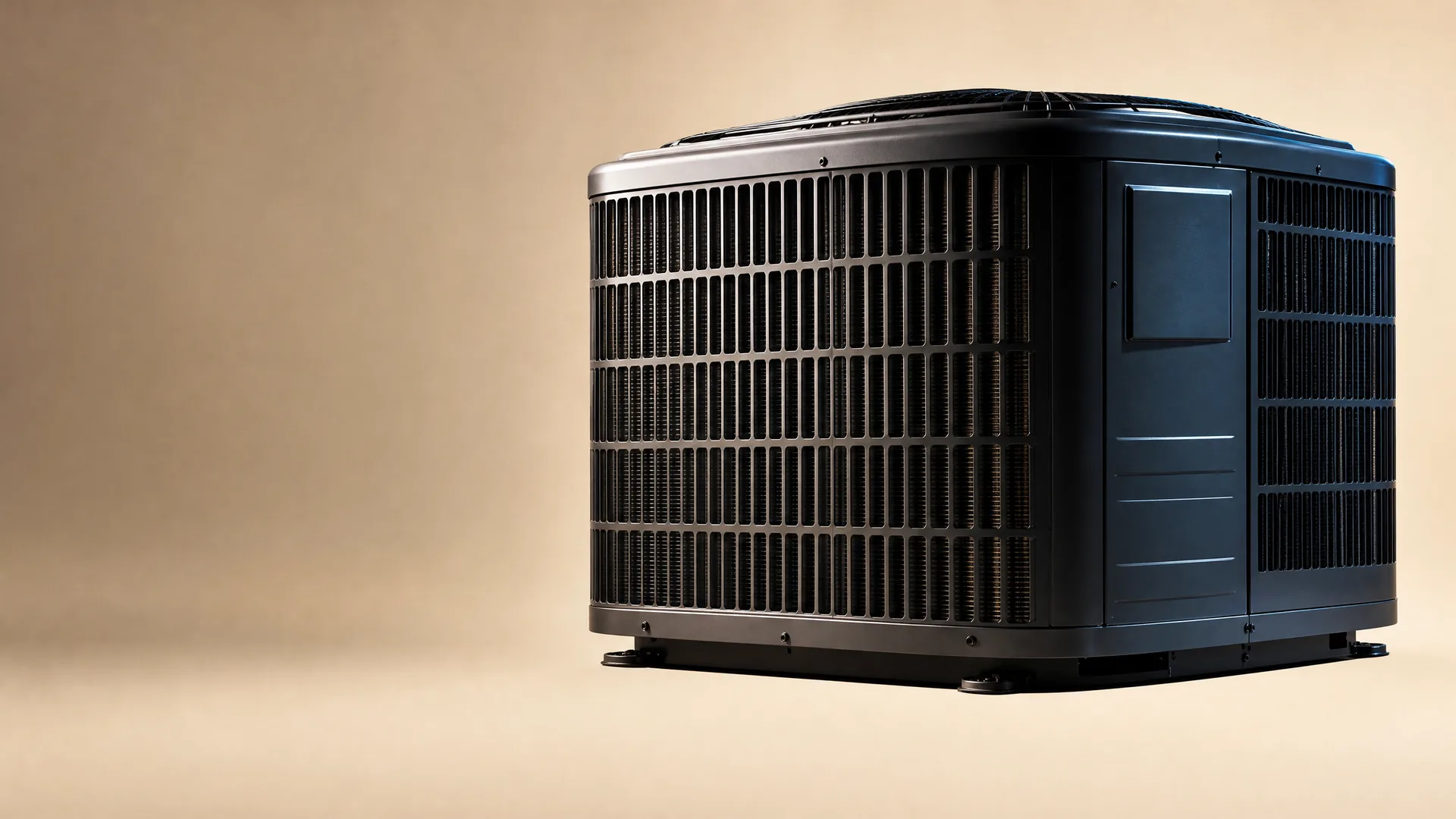
Start at the thermostat. It should be set to cool, set below room temperature, and the display should be lit. If the display is dark, check the breaker box for a tripped AC breaker and reset it once. If it trips again, leave it off and call someone. Outside, look at the condenser and clear away leaves, grass clippings or anything piled against it. It needs open air on all sides. Pull the air filter and hold it up to a light. If you can't see light through it, swap it or wash it before anything else. Walk the house and make sure supply vents are open and nothing is blocking a return. A single closed vent can choke airflow to the whole system. Listen to the outdoor unit. If it's humming but the fan on top isn't turning, shut it off, that's not safe to force. If you see ice on the refrigerant line or the indoor coil, turn the system off and let it thaw fully before trying it again. None of this means opening refrigerant lines or working inside the electrical panel. That part is a tech's job.
What a tech actually does on the visit
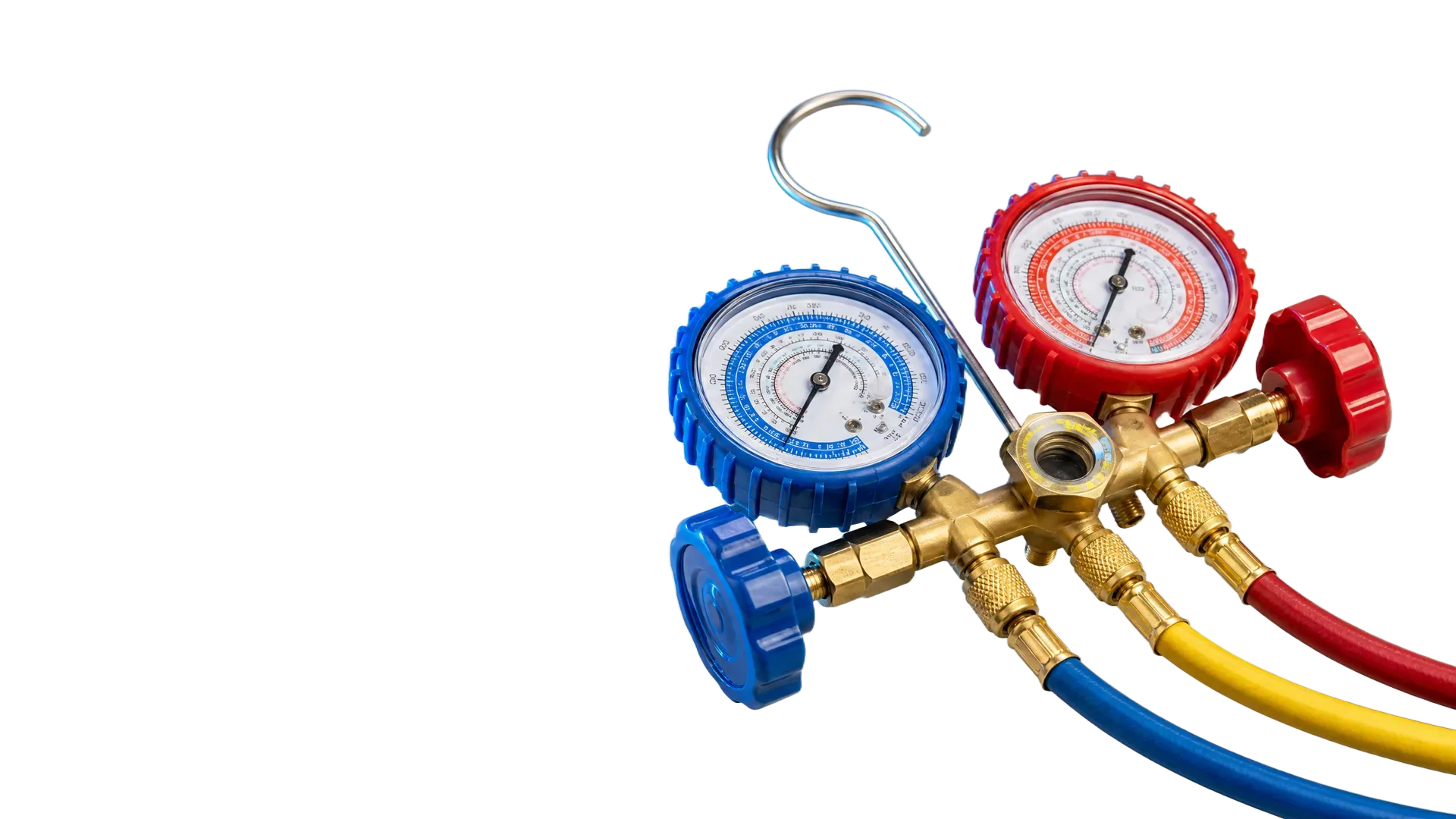
A diagnostic visit starts before any gauge comes out. A tech looks at what the system is doing right now. Is the compressor running. Is it short cycling. Is the air coming out warm instead of cold. That tells them where to start looking. Gauges go on the service ports to read refrigerant pressure. Low pressure with warm air at the registers usually points to a leak somewhere in the lines or coil. Normal pressure with weak airflow usually means something is blocking the air instead, a dirty filter or a coil caked with dust. The capacitor gets tested under load, not just looked at, because a capacitor can look fine and still be too weak to start the compressor reliably. Electrical connections get checked for corrosion or a loose lug, especially at the contactor. A contactor that's pitted or sticking will keep causing trouble even if it happens to work on the day someone checks it. If there's ice on the coil or the line, that has to thaw before anything else gets tested, since ice hides whatever airflow problem caused it in the first place. The point of the visit is to find the part that's actually failing, not to swap the first thing that looks old.
How old is the system itself
Half the homes in Indiana were built in 1976 or earlier, and 76.6% of the housing here is single-family houses, the kind that tend to keep their original equipment longest. If the house is from that era, the AC outside may not be. Units get replaced over the decades a house stands, sometimes more than once. But if the one out there now is the original, it's working toward the end of a normal lifespan, not the middle of it. A tech can look at the unit and tell you where it stands. That's worth knowing before a repair goes forward, not after.
Nothing about an Indiana summer wears out an AC, so the fix is finding the part that failed.
Tell us about the job
Takes about a minute. No obligation.
Fill out the form once and a licensed contractor near you calls to set up the repair.