
AC Maintenance in Indiana
Across the counties where its people live, Indiana recorded less severe weather from 2015 to 2024 than 41 of the other 49 states.
Tell us about the job
Takes about a minute. No obligation.
- 83°Fsummer afternoon high where people live
- 3 monthsof cooling, June through August
- 14.77¢ per kWhwhat homes paid for power in 2024 (kWh means kilowatt hours, the unit on an electric bill)
- 1,512hail events from 2015 to 2024
Summers here don't push your AC especially hard. Three months of real work, June through August.
- Southern counties need about 30% more cooling than northern ones
- Summer afternoons average 83°F where people live
- Cooling runs June through August
- 1,512 hail events from 2015 to 2024
- 4,753 damaging wind events from 2015 to 2024
- 17% of homes lost power a day or more in 2024


Older homes mean older systems, or systems nobody's looked at in a while
Half the homes in Indiana were built in 1976 or earlier. That makes this state older than most of the country for housing. Most of that housing is detached and attached single-family houses, the kind where one condenser and one coil handle the whole job. A system that's been in the house that long has usually been through a repair or two you don't know about, maybe a few owners. An annual check is how a technician finds a worn contactor or a low charge before it turns into a system that won't start.

The filter is the one thing worth checking on your own. Pull it out and hold it up to a light. If you can't see light through it, it's choking the airflow across the coil, and the coil can ice over even on a hot day. A dirty filter also makes the blower work harder than it needs to, which wears on the motor over time. Check it monthly during the months you're running the AC, and swap it when it looks gray and packed rather than waiting for a set schedule.
Outside, keep the area around the condenser clear. Grass clippings, leaves, and mulch pile up against the cabinet and block the airflow it needs to dump heat. Give it a couple feet of open space on all sides, and keep shrubs trimmed back so they aren't brushing the fins. After you mow, take a look and clear off anything stuck to the side panels. What you shouldn't do is open the cabinet or touch anything inside it. The capacitor in there holds a charge even with the power off, and the refrigerant lines need a gauge set and training to handle safely.
Three months of work, and May is when to get ready for them
Cooling runs June through August here, three months total, and June is when it has to work from day one. Have it looked at in May. A technician can check the refrigerant charge and the electrical connections while the system is idle, not after it's been running flat out in the first heat wave. Indiana gets fewer cooling months than most of the country, so there's less wear to look for overall, but what runs through those three months still needs to start clean.
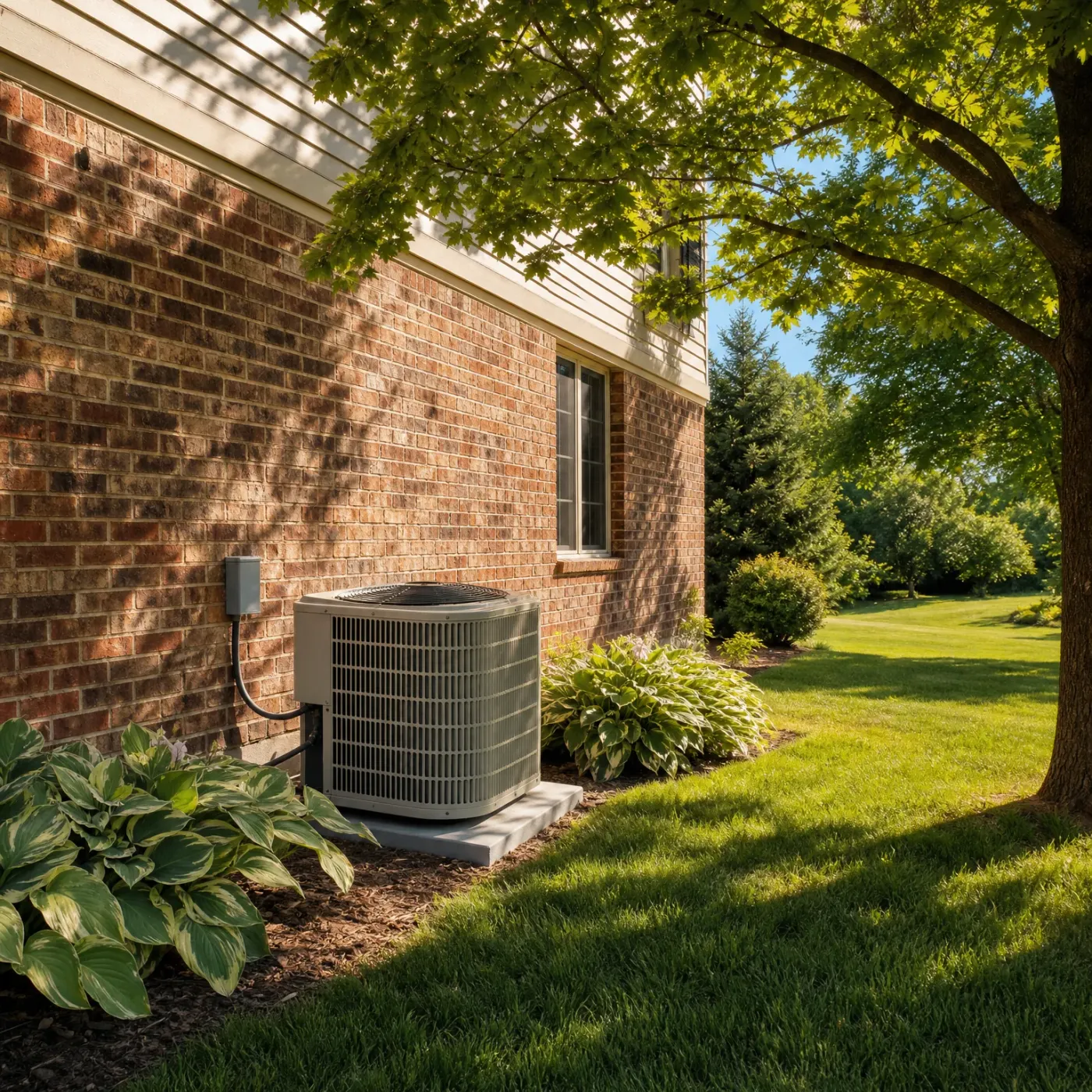
3 months of cooling, June through August
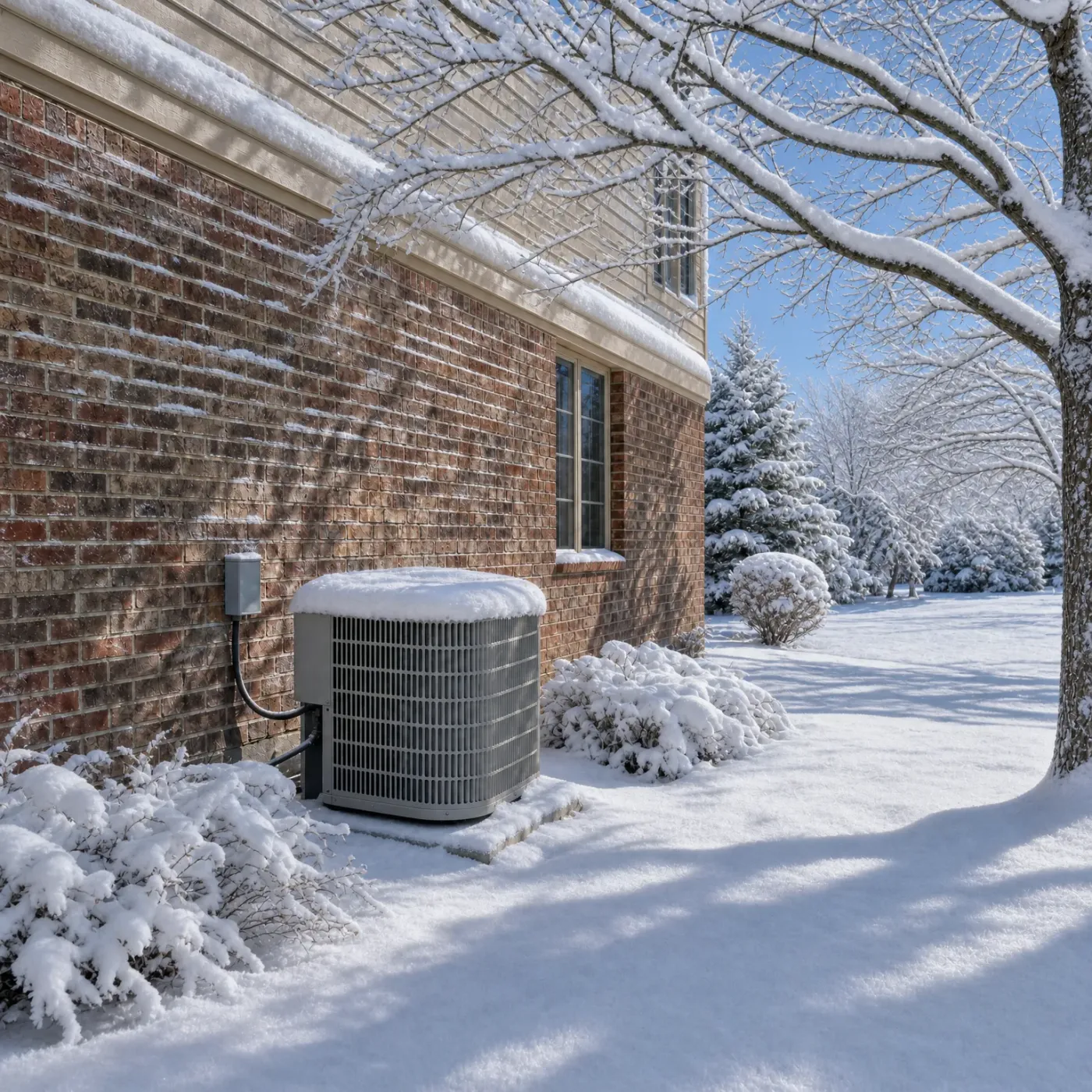
8 months of heat, October through May
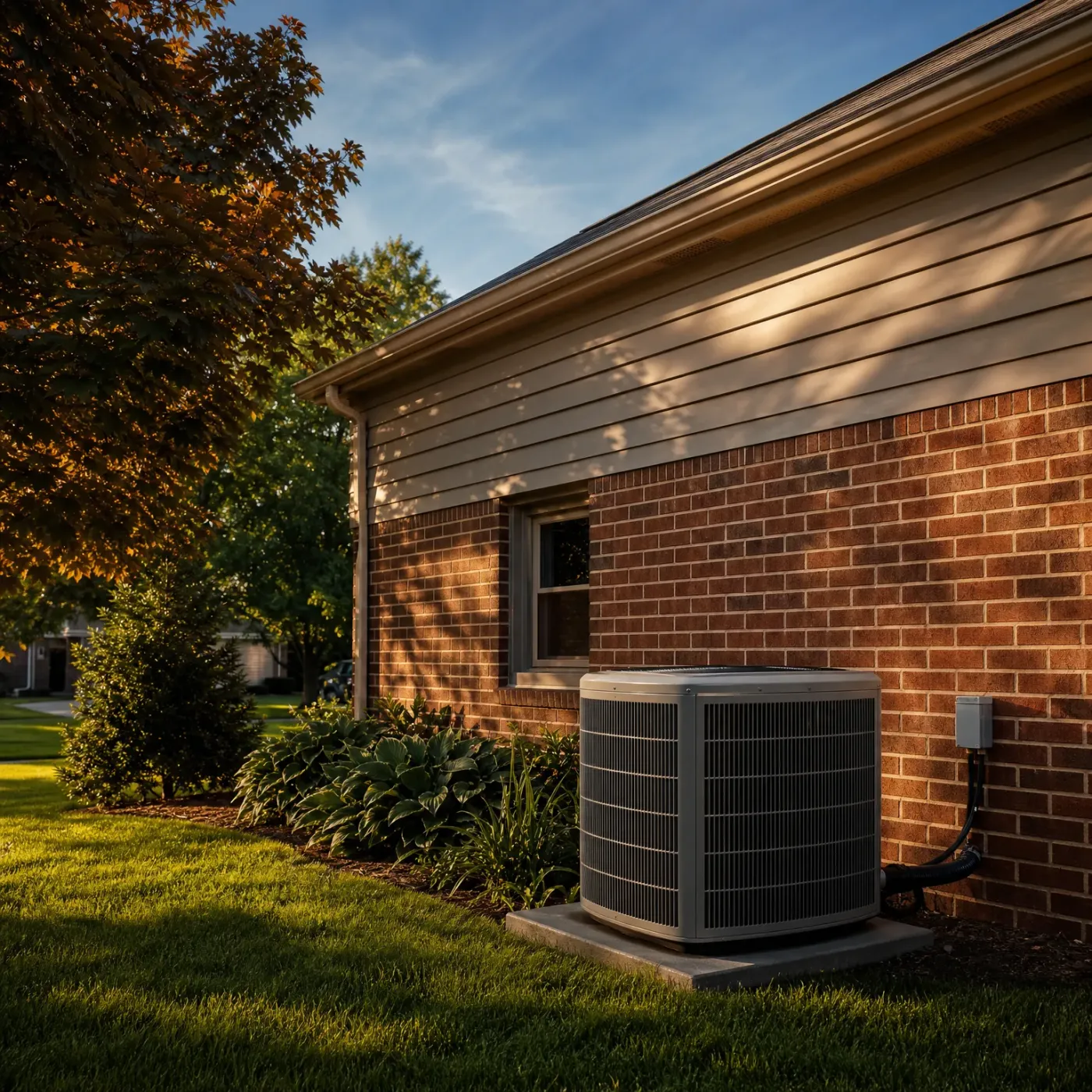
The south and north halves of the state don't carry the same load. Homes across the southern counties need about 30% more cooling over a year than homes across the northern counties, and they run cooling about four months against three.
Posey County sits at one end of that gap, needing about two and a half times the cooling of Steuben County, where the state's cooling need is lowest. Vanderburgh County runs cooling the longest of any county in the state, and Lake County the shortest.
The same split shows up in the afternoons. Vanderburgh County averages 87°F across June, July and August, the hottest in the state. Steuben County averages 81°F, the mildest. Most households land closer to 83°F.
None of this makes Indiana a hard state on an AC. Summers here run cooler than in 25 of the other 49 states, and the season itself is shorter than in 23 of them. What it means instead is timing. In Vanderburgh County and the rest of the south, the system starts earlier and carries the load longer, so get it looked at sooner in spring. Further north, there's a bit more room, but not much.
What does an AC in Indiana face?
How hot do summer afternoons get?
83°Faverage afternoon high where people live
Alaska66°F
Arizona101°F
How many months does the cooling run?
3 monthsof cooling a year
Alaska0 months
Hawaii12 months
What does electricity cost?
14.77¢per kWh, what homes paid in 2024
North Dakota11.51¢
Hawaii42.86¢
How often do storms hit?
136severe weather events per county from 2015 to 2024
Alaska5
Wyoming1,057
How many homes lost power for a day or more?
17%of homes in 2024
Arizona7%
Maine54%
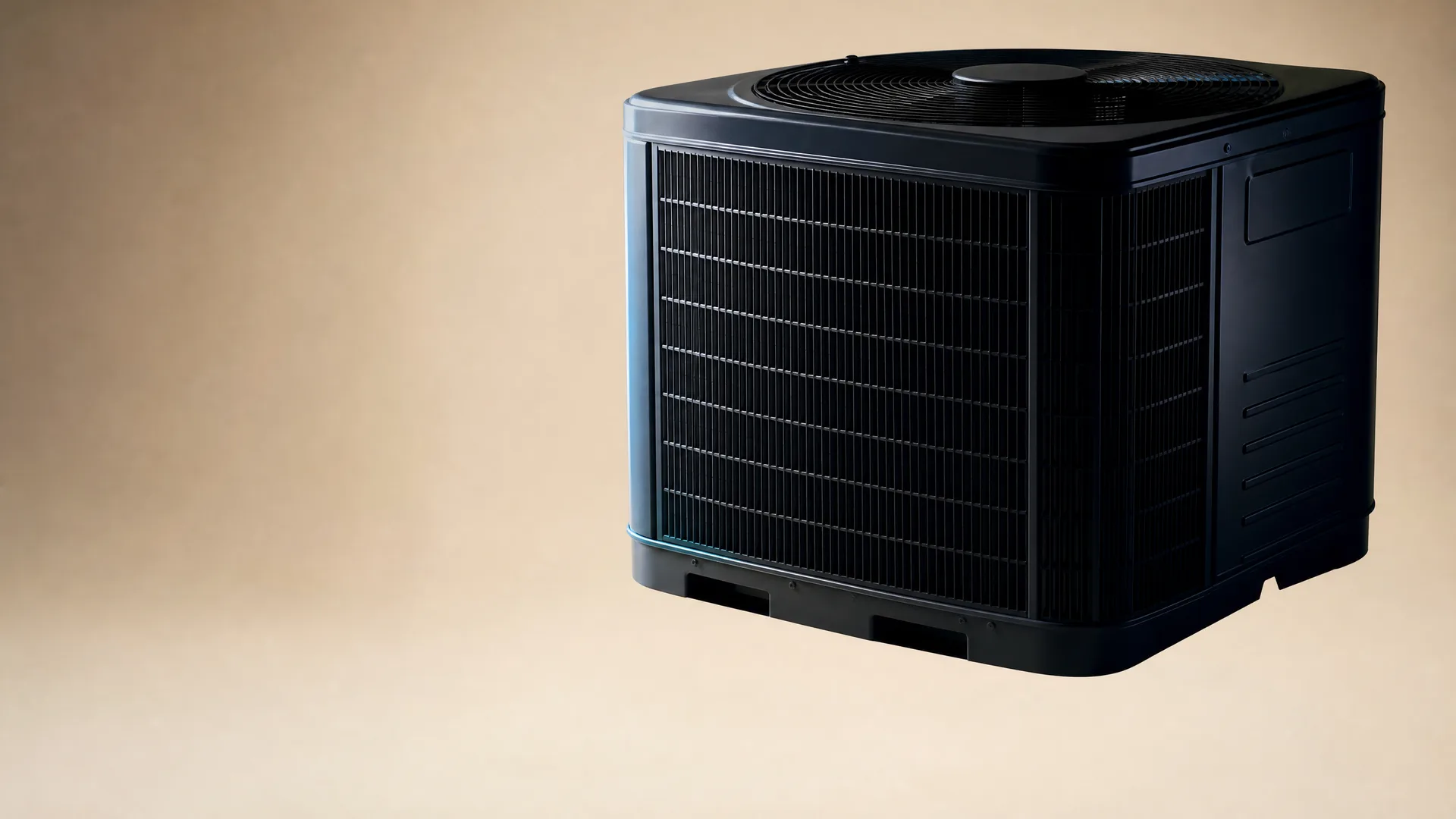
The filter, the coil and the drain work as one system
The coil is where the real work happens. Refrigerant runs through it and pulls heat out of the air passing over, and that only works if air can move through the fins freely and the surface stays clean. Dust settles on the coil the same way a dirty filter chokes it, and once it's coated, it can't transfer heat the way it should. The system runs longer to do the same job, and in the worst case the coil frosts over and stops cooling altogether. The drain line is the part nobody thinks about until it backs up. As the coil pulls moisture out of the air, that water drips into a pan and out through a small drain line. Algae and dirt build up inside that line and clog it. When it clogs, the pan overflows, and depending on where the air handler sits, that water ends up somewhere in the house it shouldn't be. A technician checks that line and clears it during a routine visit, along with washing out the coil if it's dirty. None of these parts fail alone. A dirty filter loads the coil, a loaded coil can't shed heat, and a clogged drain has nowhere to put the water that condenses.
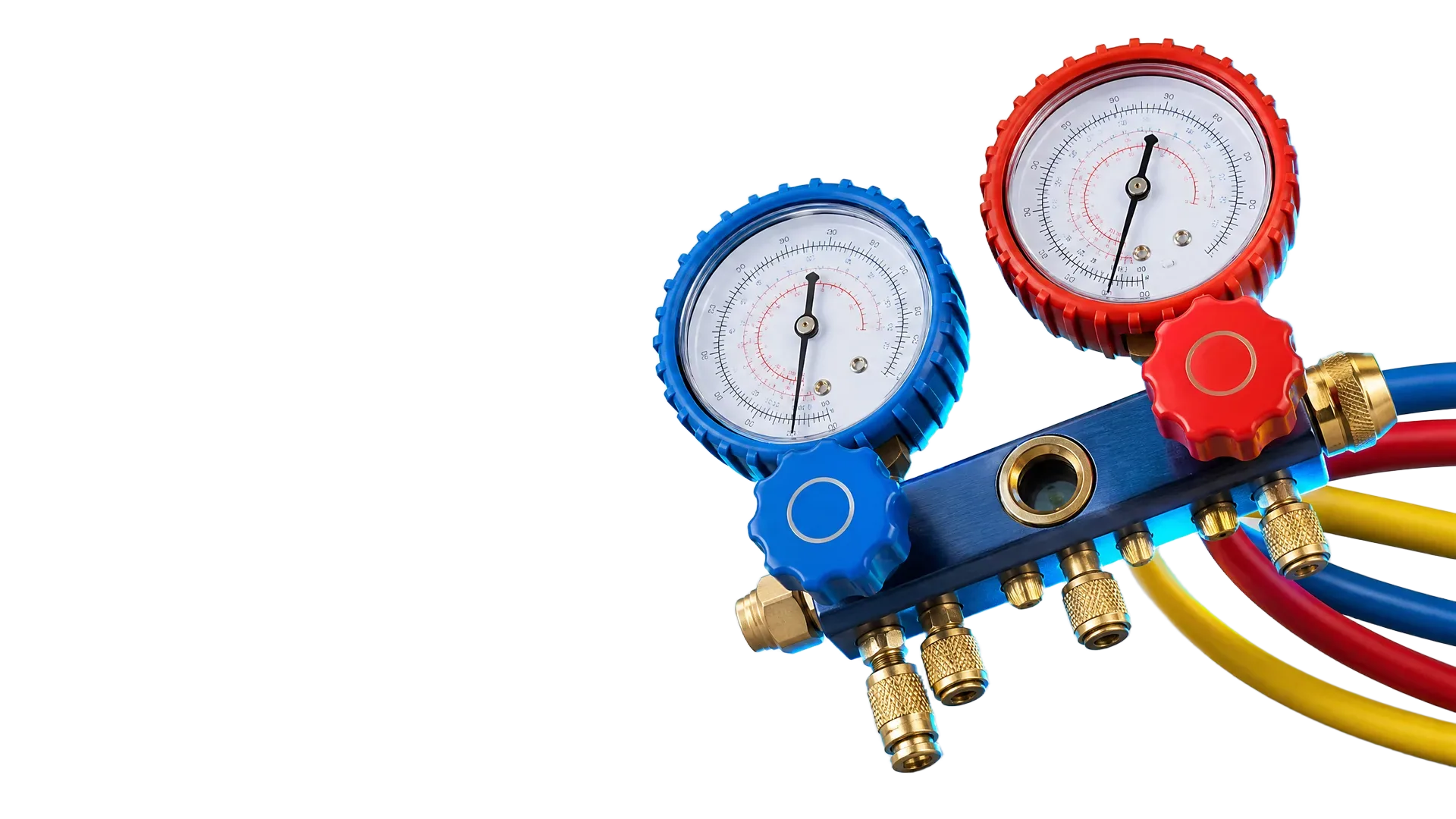
Skipped maintenance doesn't break the system today. It breaks it slowly.
Skip maintenance long enough and the system doesn't fail all at once. It loses ground a little at a time. Refrigerant charge drifts low and nobody notices because the house still cools, just slower, with the system running longer to get there. A contactor pits and arcs a bit more each time it closes, until one day it doesn't close at all. A capacitor that's been weak for a season finally can't kick the compressor on, and now there's a hard lockout instead of a quiet fix. The compressor is the part that pays for every corner cut upstream of it. Low charge makes it run hotter than it should. A dirty coil makes it work longer than it should. Either one, kept up for long enough, wears it down. None of this shows up as a single dramatic moment. It shows up as a system that used to start right every time and now hesitates, and by the time it quits for good, there's no small repair left to make.
What a technician actually checks
A quick visit is a glance and a gauge reading. A thorough one takes the system apart a little. The technician should pull the capacitor and test it under load, not just look at it, because a capacitor can read fine sitting still and still fail to kick the compressor on. The contactor points get checked for pitting, since a contactor can keep closing the circuit for months while arcing a little more each time, right up until it doesn't. The condenser fan motor gets tested for amp draw, not just watched to see if it spins. Refrigerant charge gets checked against the manufacturer's numbers for that unit, with gauges, not guessed at from how cold the air feels at the vent. The coil gets looked at directly, pulled apart if it's a cased coil, not just assumed clean because the filter looked fine. And the condensate drain gets flushed, not just glanced at. A visit that ends with the same answer every year, nothing measured and nothing written down, is a once-over. A real tune-up leaves you with numbers you could ask to see.
Cooling here runs three months a year, June through August, so one visit before summer is all this system needs.
Tell us about the job
Takes about a minute. No obligation.
Fill out the form and a licensed Indiana contractor will get in touch to schedule your AC check.