This county sees real storms
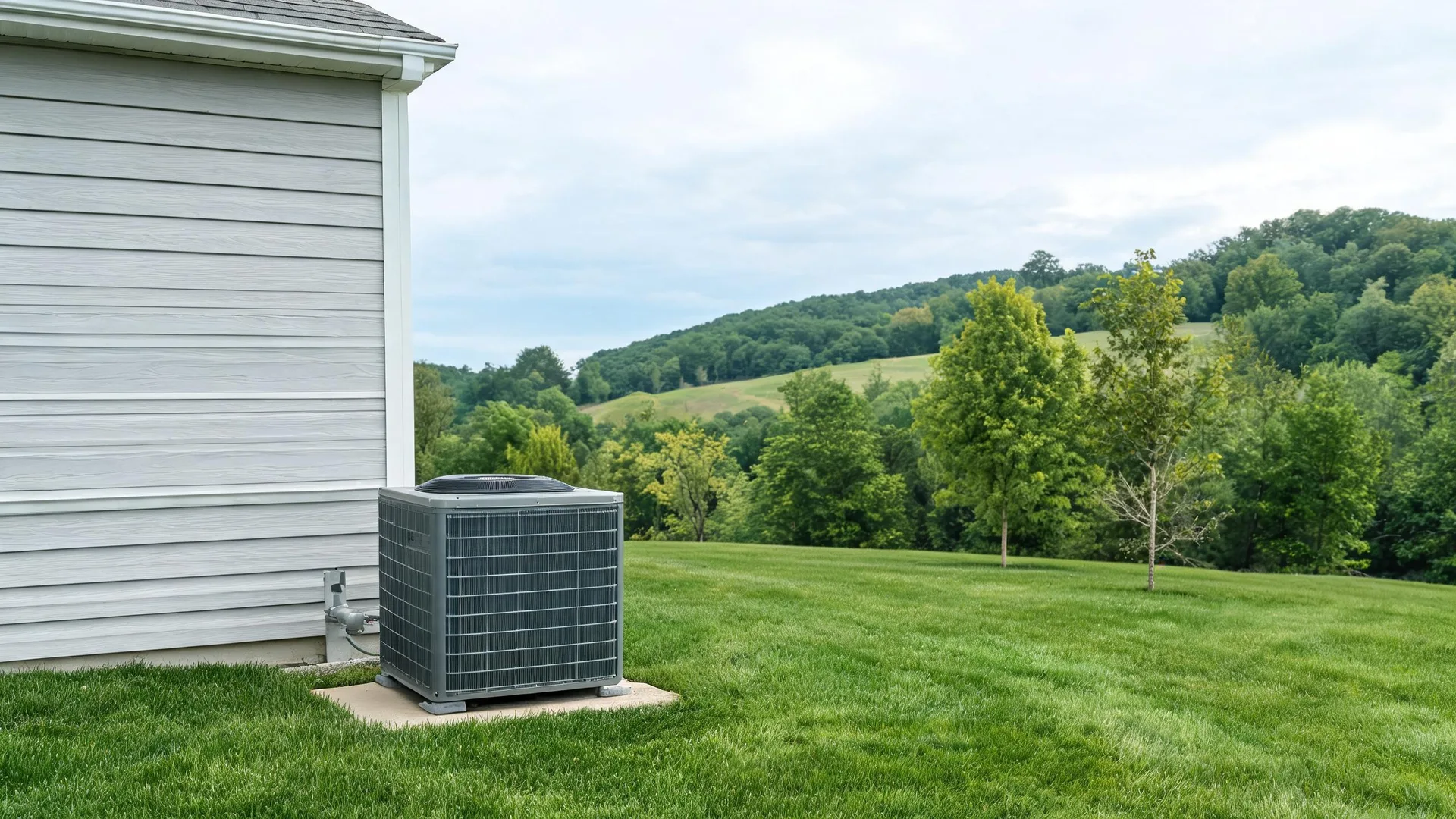
St. Joseph County logged 233 severe weather events between 2015 and 2024, including 159 damaging wind events, 51 hail events and 8 tornadoes. That outdoor unit sits outside through all of it.
Takes about a minute. No obligation.
St. Joseph County logged 233 severe weather events between 2015 and 2024, including 159 damaging wind events, 51 hail events and 8 tornadoes. That outdoor unit sits outside through all of it.
Hail and flying debris can bend fins or dent the cabinet without stopping the heat pump right away. A unit that came through a storm and still runs is worth having looked at, not just left alone.

NOAA nClimDiv, 1991–2020 normals
October asks a heat pump to switch over and start pulling heat from outside air after months of doing nothing but sit.
A weak part that made it through summer on light duty can fail in the first cold week instead.




A repair bill is a good time to ask how much life is left in the system, not just the part that failed. The heat pump itself may be newer than the house. If it was never replaced, or if nobody can say when it was last swapped out, that's worth finding out before you pay for a major repair. Half the homes in the county were built in 1968 or earlier, which means plenty of equipment here has been swapped out once or twice already. Ask whoever comes out to look how old the unit actually is, not how old the house is, and let that answer guide whether you fix it or start planning to replace it.
A heat pump that took hail or wind damage can keep running for weeks before it quits. If yours sat through a storm this year, have it looked over now, while you still have the choice of when.
Find a contractor
A heat pump runs the same loop year round, just in reverse, so it wears on both ends of the calendar instead of resting half the year like a furnace does. That shows up as symptoms before it shows up as a breakdown. Ice building up on the outdoor coil and not clearing itself in the defrost cycle is one of the first signs something is off, usually a reversing valve or a defrost control losing its timing. Air coming out of the vents that is barely warm, or barely cool, points the same direction: the system is running but not actually moving heat the way it should. Short cycling, where it kicks on and off every few minutes instead of running a full cycle, strains the compressor every time it restarts. Listen for it hesitating before switching between heating and cooling, or making a clunk when the reversing valve throws. None of these stop the unit outright. They just mean it's working harder to do less, cycle after cycle, until something finally gives.
It's what lets a heat pump switch between heating and cooling, and it only has one job, but it does it every single cycle. Over years of switching back and forth, the valve can stick or fail to shift all the way, leaving the system stuck heating when you want cooling or the other way around. It's also one of the harder parts to diagnose, since a stuck valve can look like a refrigerant problem at first.
A heat pump doesn't use up refrigerant, so if the charge is low, it's leaking somewhere, usually at a fitting, a coil, or a line that's rubbed through. What you actually see is longer run times, ice on the outdoor coil, or heat that feels weaker than it used to. Topping off the charge without finding the leak just means doing it again next season.
A weak reversing valve or a slow leak doesn't shut the system down. It just makes it run longer to move the same amount of heat. Every extra hour it runs costs more here than it would somewhere with cheaper power. That cost adds up every month the problem sits there, not just once it finally fails. If the symptoms above sound familiar, that's the time to have it looked at, before another month goes by with it running weak.
A diagnostic visit starts outside at the unit itself. The tech checks refrigerant pressure on both the high and low side, pulls the panel to look at the reversing valve and the contactor, and checks the capacitor since a weak one is a common reason a system struggles to start. Inside, they'll check the air handler, look at the coil for ice or buildup, and check static pressure in the ducts since airflow problems get blamed on the compressor more than they should. They'll also run the system through a full cycle, heating and cooling both, to watch the reversing valve actually throw and see whether the defrost cycle kicks in and clears like it should. A lot of heat pump problems only show up mid-cycle, not at startup, so watching it run matters as much as the readings. By the end, you should get a straight answer on what's failing, what it would take to fix it, and whether that fix is worth it given the age and condition of the rest of the unit.