





A dark two-story house with a covered front porch and shrubs, framed by large leafy trees, photographed from ground level across a mown green lawn with blurred grass in the foreground.

Heat Pump Repair in Indianapolis, IN

Tell us about the job

Takes about a minute. No obligation.

RepairHeat PumpMarion County, IN
Step 1 of 2

What ZIP code is the job in?

Marion County saw 227 severe weather events between 2015 and 2024. That includes 140 damaging wind events and 67 hail storms, the kind of weather that goes straight at the outdoor unit sitting beside your house. Hail dents the fins on the coil and bends them shut, and wind throws branches and grit into the cabinet. A heat pump can take a hit like that and keep running for a while before it shows up as higher bills or weak heat. Four tornadoes touched down in the county in that same stretch, so the damage isn't always a dent, sometimes it's worse.

8 months
October through May, your system heats
4 months
June through September, it cools
23°F
the average winter night it heats against
83°F
the average summer afternoon it cools against
Isometric cutaway illustration of a gray house showing interior rooms, a central air handler with ducts in the attic, and refrigerant lines running to an outdoor condenser unit beside the building.
Your system heats October through May and cools June through September.

NOAA nClimDiv, 1991–2020 normals

Half the homes in Marion County were built in 1973 or earlier.

A heat pump in a house that old is more likely to be near the end of its working life, and that changes whether a repair is worth paying for.

A heat pump that's struggling still runs up your power bill

Power here costs 14.77 cents per kilowatt-hour
140 damaging wind events from 2015 to 2024
67 hail events from 2015 to 2024

October is when heat here switches over, and that first cold stretch is when a weak part finally gets tested. A heat pump that limped through a mild September can fail outright once it has to hold a house warm against a 23°F night. The reverse happens in May, right before cooling starts, when a unit that struggled all winter gets asked to do the opposite job under a fresh load. Repairs called in during those two windows, the month before heat starts and the month before cooling does, tend to catch problems before they strand you without heat or air. Waiting until the system is already fighting the season's first real demand means less time to get it fixed before you need it most.

Had a storm come through? Get the outdoor unit checked

If hail or wind came through recently, get the outdoor unit looked at even if it's still running. Damage like that doesn't always show up right away, and the coil fins don't un-bend on their own.

Find a contractor
A man in a cap, dark shirt and tan work pants, seen from behind carrying a worn canvas tool bag, steps up onto a porch toward an orange front door beside a potted shrub.
A gray heat pump outdoor unit mounted on a concrete pad next to the stone-accented exterior wall of a house.

How many more years is this repair buying you

If your house is on the older side here, ask the contractor straight out how much life is left in the unit before paying for the repair. A compressor or heat exchanger on its way out can cost more to fix than the system is worth, especially once a unit is well into its working life. If the repair is small and the rest of the system checks out, it's worth doing. If the contractor is hedging on both the diagnosis and the age, get the second opinion before you get the repair.

A refrigerant leak doesn't hold still

A heat pump low on charge will keep running, but the compressor starts working harder to move what's left. Run it like that for weeks and the compressor overheats, and a slow leak that would have been a simple fix turns into a compressor replacement.
A struggling unit asks more of everything else

When one part is failing, the rest of the system compensates. A weak capacitor makes the motor strain to start, a dirty coil makes the compressor run longer to hit the same temperature. The parts doing the extra work are the ones that fail next.

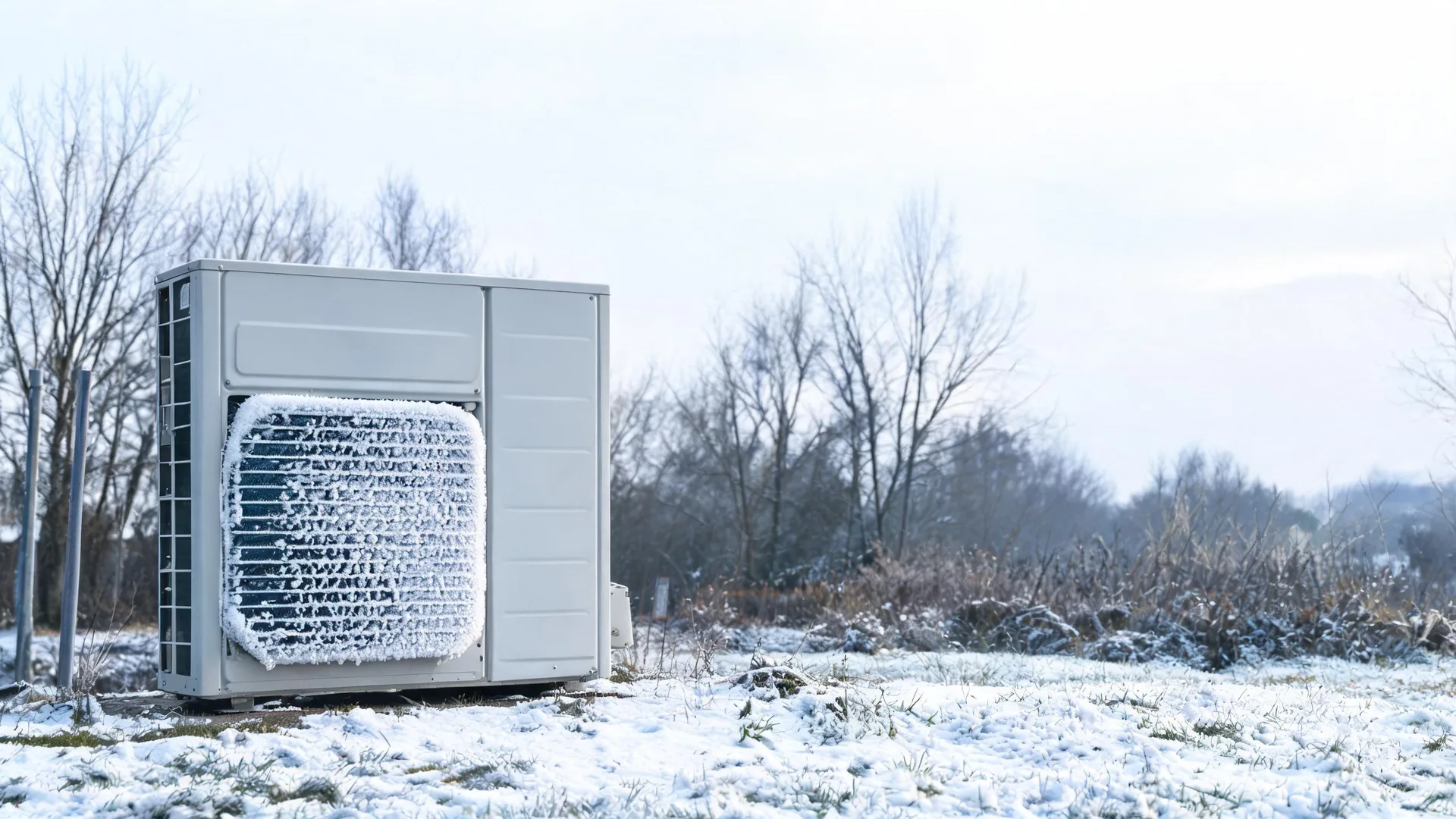
A heat pump fails from the same handful of causes most of the time. The reversing valve sticks, so the system gets stuck heating when you asked for cooling or the other way around. The defrost board misreads the outdoor coil and either never calls for defrost or calls for it too often, and ice builds up on the coil either way. Contactors and capacitors wear out from the plain fact of starting the compressor and fan motor over and over, thousands of cycles over the unit's life. A dirty outdoor coil makes the system move heat less efficiently, so it runs longer to do the same job, and that extra runtime wears the parts that were already weak. Most failures are one of these, not something exotic, and a tech checks them in roughly that order.

A heat pump that's working harder than it should costs more here than in most places, since power in this state already runs at a typical-or-higher rate and a struggling unit eats more of it every single day it keeps running that way. That cost doesn't wait for the unit to fail outright. A low charge or a weak capacitor shows up on the bill weeks before it shows up as no heat at all. Getting it looked at now, rather than after it quits, is what keeps that extra draw from running for a full billing cycle or two. The fix is usually small if it's caught early. It gets more expensive the longer the system is left to compensate on its own.