
Mini Split Installation in Indiana
Across the counties where its people live, Indiana recorded less severe weather from 2015 to 2024 than 41 of the other 49 states.
Tell us about the job
Takes about a minute. No obligation.
- 83°Fsummer afternoon high where people live
- 3 monthsof cooling, June through August
- 22°Fwinter overnight low where people live
- 8 monthsof heat, October through May
Indiana doesn't push mini splits past standard sizing Electricity here costs less than in most states
- Southern counties need about 30% more cooling than northern ones
- Summer afternoons average 83°F where people live
- Winter nights average 22°F where people live
- Cooling runs June through August
- 4,753 damaging wind events from 2015 to 2024
- 17% of homes lost power a day or more in 2024


Indiana's homes are older than most, and a mini split has to fit the one you've got
Half the homes in Indiana went up in 1976 or earlier. Most of the state's housing, 76.6 percent, is detached or attached single-family houses, the kind where a mini split has to tie into whatever heating setup is already there. An older house usually means the room you're adding or replacing doesn't match a catalog spec. Wall framing, window placement, where the old unit's lineset ran, all of that was decided decades ago by someone who wasn't thinking about a heat pump. The install has to work around what's already built, not the other way around.

Gas heats close to 6 in 10 homes in Indiana, more than any other fuel. Electricity comes next at just under a third, with a small share on bottled or LP gas. A mini split doesn't replace that setup. Most installs here add one to a home that already has a furnace, usually to cover a room or addition the ductwork doesn't reach well, or to get cooling into a space that never had it.
A home already heated by gas has a furnace that handles the coldest stretch of an Indiana winter on its own, so the mini split's job is the shoulder months and the one room that never heats or cools right. A home on electric heat is a different case. There the mini split is doing more of the real work year round, and that changes how the contractor sizes it. Worth saying which fuel your home runs on before the sizing conversation starts.
Indiana's cooling months are short. Get the mini split in before they start.
Cooling runs three months here, June through August, with May the month before it starts. That's fewer months than in most states, but the work of sizing and running a lineset doesn't get shorter just because the season does. May is when a contractor can take the time to do that right, checking the room, running the line clean, setting it up before anything's under load. Wait until the first hot week and the install happens around whatever time is left, with the unit going straight to work instead of getting checked first.
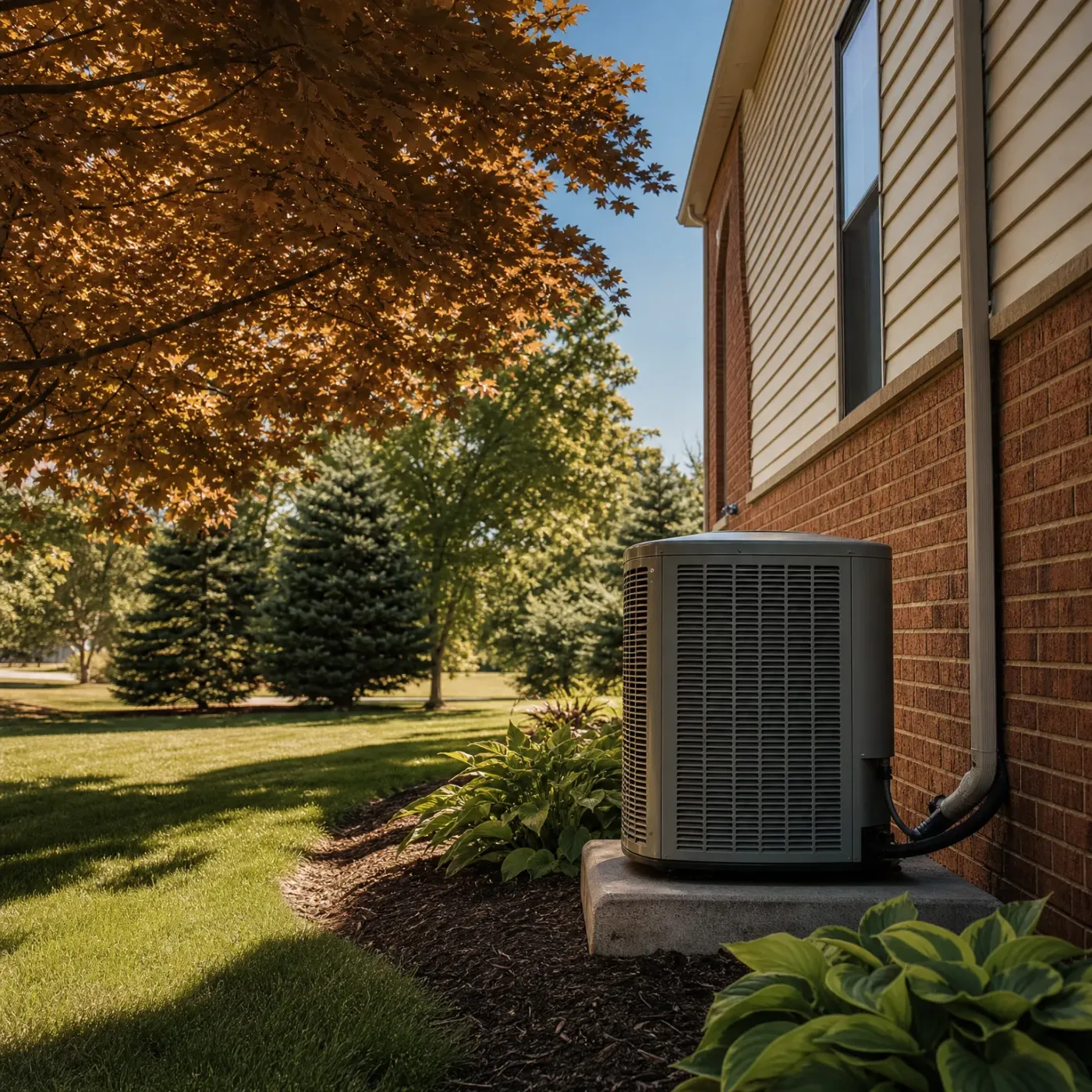
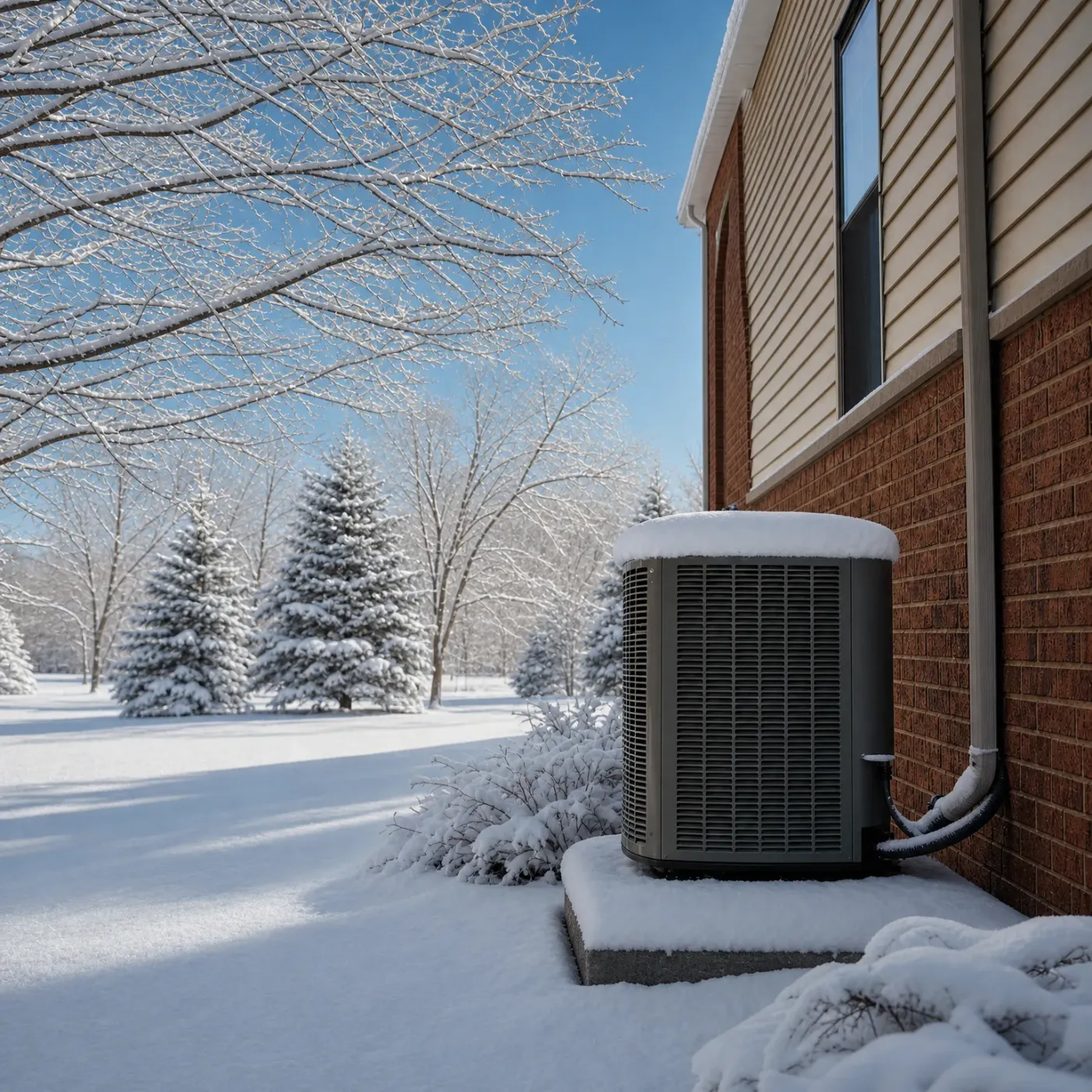
3 months of cooling, June through August
8 months of heat, October through May
What does a mini split in Indiana face?
How hot do summer afternoons get?
83°Faverage afternoon high where people live
Alaska66°F
Arizona101°F
How cold do winter nights get?
22°Faverage overnight low where people live
North Dakota4°F
Hawaii65°F
How many months does the cooling run?
3 monthsof cooling a year
Alaska0 months
Hawaii12 months
What does electricity cost?
14.77¢per kWh (kilowatt hours, the unit on an electric bill), what homes paid in 2024
North Dakota11.51¢
Hawaii42.86¢
How often do storms hit?
136severe weather events per county from 2015 to 2024
Alaska5
Wyoming1,057
How many homes lost power for a day or more?
17%of homes in 2024
Arizona7%
Maine54%
Get it running before June, not during it
Three months of real cooling load is not a long test, but it still finds a bad install fast. A mini split put in during June has to carry the room from day one, no chance to catch a weak lineset connection or a bad refrigerant charge before the heat shows up. Put it in during May and the contractor can run it, check it, and fix anything before the first hot week asks anything of it. The unit itself doesn't care what month it goes in. The schedule does.
What happens to what's already there
The old equipment doesn't disappear just because a mini split goes in. If the house runs on a furnace, that furnace stays and keeps doing the heavy lifting in the coldest months. The mini split is the piece added alongside it, not instead of it. If what's coming out is an old window unit or a space heater in a room that never had real cooling, that gets disconnected and hauled off once the new system is running. A room that already has ductwork feeding it doesn't need that ductwork torn out. The duct run can stay in place, still serving the rest of the house, while the mini split handles that one room on its own. What has to go somewhere is the refrigerant line and the condensate line for the new unit, and the hole they pass through the wall. That's a small penetration, not a renovation. Whatever sat on that wall before, a vent, a radiator, an old sleeve unit, the contractor decides whether it gets capped, removed, or left alone, and that depends on what's actually there.
Older homes take more figuring out
Half the homes in Indiana went up in 1976 or earlier, and an install in one of those houses isn't the same job as an install in a house built last year. The wall the lineset has to pass through might be plaster and lath instead of drywall. The electrical panel might not have the open breaker space a mini split needs without some rework. None of that shows up until the contractor is standing in the room, which is why an older home is worth mentioning before anyone shows up to look at it. The unit still gets sized the same way, to the room and the climate. It's the path to get it installed that an older house complicates.
Most homes in Indiana heat with gas, so a mini split joins the furnace instead of replacing it.
Tell us about the job
Takes about a minute. No obligation.
Fill out the form and a contractor sizes the mini split to your room and your house.