






A nighttime view of a tree-lined residential street with illuminated two-story brick houses and street lamps.

Heat Pump Repair in Elkhart, IN

Tell us about the job

Takes about a minute. No obligation.

RepairHeat PumpElkhart County, IN
Step 1 of 2

What ZIP code is the job in?

Winter is what a heat pump here works against. Overnight lows average 20°F across December, January and February, so the system leans on defrost cycles and backup heat more than it would somewhere milder. That's normal wear, not a sign the unit is wrong for this county. When something goes wrong, it's usually one of a few things. A stuck defrost board. A low charge. A failing reversing valve. None of that is unusual for a place this cold. The fix is the same here as anywhere else that sees real winter, find what's actually failing and repair it.

8 months
October through May, your system heats
3 months
June through August, it cools
20°F
the average winter night it heats against
82°F
the average summer afternoon it cools against
Isometric cutaway illustration of a single-story house showing interior rooms with ductwork, an indoor air handler unit, and an outdoor condenser unit connected by lines along the exterior wall.
Your system heats October through May and cools June through August.

NOAA nClimDiv, 1991–2020 normals

Heat pumps in Elkhart County work hardest from October through May.

A weak part that made it through last season often fails in the first cold snap of this one.

A county this old, this is still a repair, not a mystery

Half the homes here were built by 1977
117 damaging wind events from 2015 to 2024
44 hail events from 2015 to 2024

A reversing valve or a defrost board can usually be repaired on its own. The compressor is different. It's sealed, and if it fails the unit typically needs to be replaced rather than opened up. Age matters too, but not by itself. An old heat pump with a bad capacitor is still worth fixing. The same unit needing a second major repair in a short span is telling you something about what's coming next. Ask what failed and why, not just what it costs to fix it.

A heat pump that's running wrong still runs up your bill

Indiana electricity ran 14.77 cents per kilowatthour in 2024. A heat pump leaning on backup heat or short-cycling through a bad part pulls more power than it should, every day it's left like that. Finding the real problem now stops you paying for a machine that isn't working right.

Find a contractor
A man in a cap, worn gray shirt and brown work pants, seen from behind, carries a leather tool bag up steps toward an orange front door beside a potted shrub.
A white mini-split heat pump outdoor unit mounted on a concrete pad beside a gray-sided house, surrounded by gravel and green shrubs.

It runs every day of the year, so it fails the same way

A heat pump does not get a season off. It runs in summer pulling heat out of the house and reverses itself all winter to pull heat from the outside air, so the parts inside are cycling on and off nearly every day of the year. That kind of duty shows up as specific complaints, not vague ones. Ice building up on the outdoor coil and not clearing during defrost. Air coming out of the vents that feels cool rather than warm, even though the unit is running. Short cycling, where it kicks on and shuts off again within a few minutes instead of running a full cycle. A outdoor unit that hums but the fan doesn't spin, or one that's suddenly louder than it used to be. Any of these is the system telling you a part is wearing out while it's still running, not after it quits.

A low charge keeps the compressor working harder

A heat pump that's low on refrigerant still tries to heat or cool the house. The compressor runs longer to make up for it and runs hotter while it does. Left alone, that heat is what takes out the compressor itself, and that's the one part inside the unit that usually isn't worth repairing on its own.
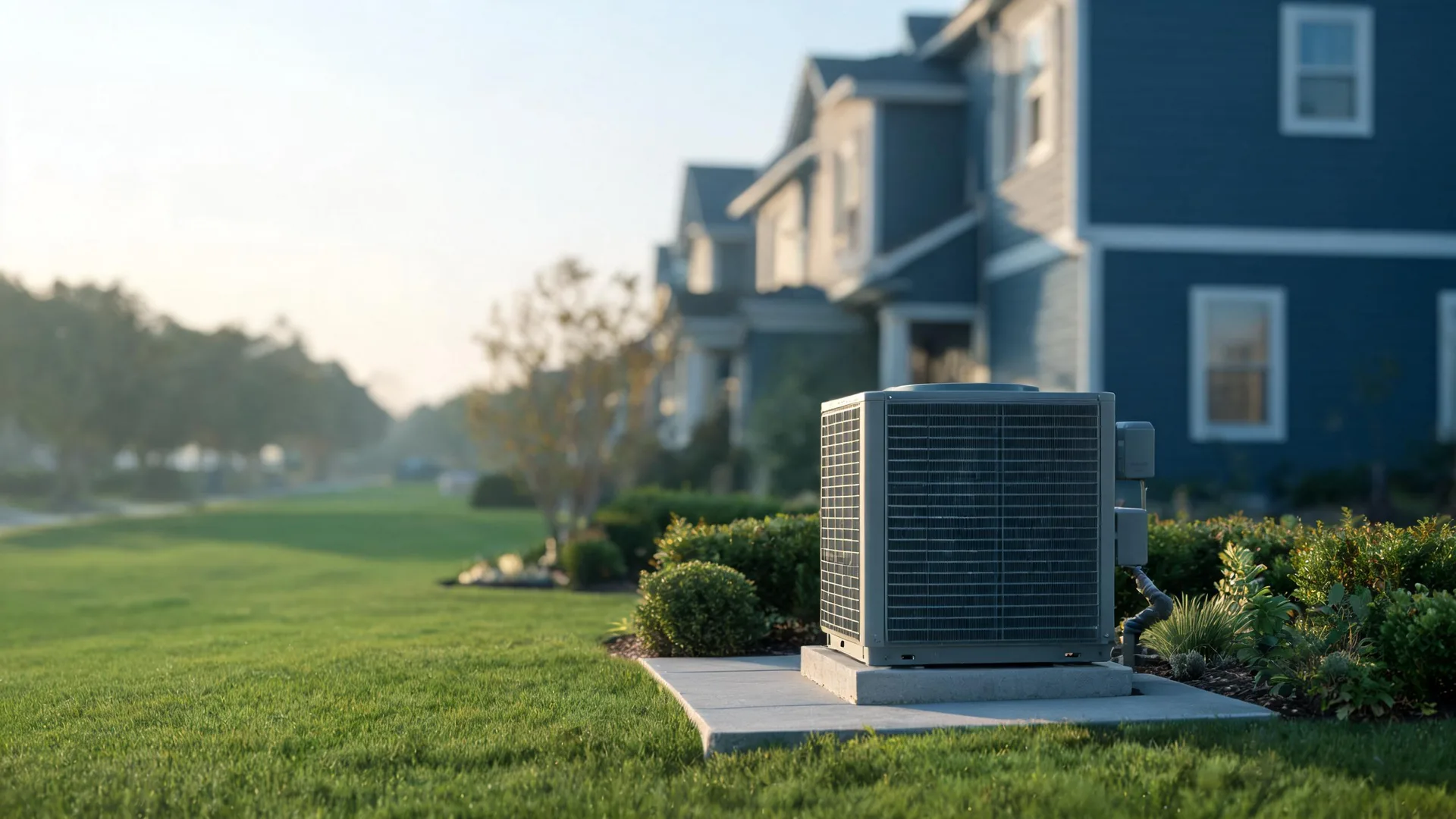
A bad defrost cycle lets ice take over the coil

If the defrost board isn't triggering right, frost on the outdoor coil doesn't clear. A little ice blocks airflow. More ice blocks it further, so the system pulls even less heat from the outside air and leans harder on backup heat to cover the gap. What started as a bad sensor ends up looking like a unit that can't keep the house warm.

Before calling anyone, look at the outdoor unit. If it's caked in ice and the system isn't in a defrost cycle, that's worth noting, a little frost is normal but a solid block isn't. Check the air filter. A filter packed with dust chokes airflow and can make the whole system struggle even when nothing else is wrong. Walk around the house and check that vents aren't closed or blocked by furniture. Look at the thermostat and make sure it's set to heat, not fan only, and that the batteries aren't dead if it uses them. Check the breaker panel for a tripped breaker on the outdoor unit, since a reset is sometimes all it takes. None of this fixes a failing reversing valve or a bad defrost board, but it rules out the simple stuff before anyone opens up the unit.

A diagnostic visit starts outside, at the unit itself. A tech checks the refrigerant charge, because too little or too much changes how hard the compressor has to work. They'll check the temperature split between the air going into the system and the air coming out, which says a lot about whether the unit is actually moving heat the way it should. Electrical readings on the compressor and fan motor come next, since a motor pulling the wrong amperage is usually a motor on its way out. They'll run the system through a defrost cycle on purpose to watch whether the reversing valve actually switches and whether the board tells it to at the right time. None of this takes guessing. Each reading either matches what a healthy system looks like or it doesn't, and that's what points to the part that's actually failing.