Gas heat is the norm here
Utility gas heats 69.3% of homes in Marshall County. Most furnaces around Plymouth run on it, with electric heat and LP gas filling in the rest.

Takes about a minute. No obligation.
Utility gas heats 69.3% of homes in Marshall County. Most furnaces around Plymouth run on it, with electric heat and LP gas filling in the rest.
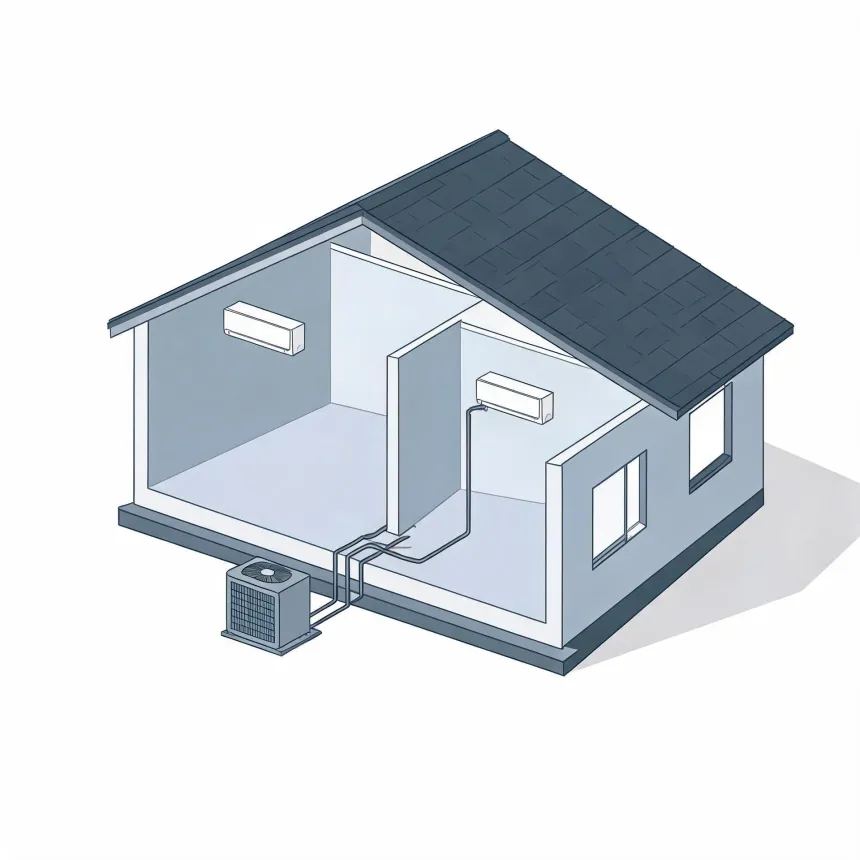
A mini split doesn't replace your furnace, it gives you cooling and backup heat in rooms that need it. That makes it a add-on job more than a swap, which changes what the installer has to plan for.
NOAA nClimDiv, 1991–2020 normals
Homes here run cooling June through August.
May is the month to get a mini split installed, before the first warm week fills up the schedule.




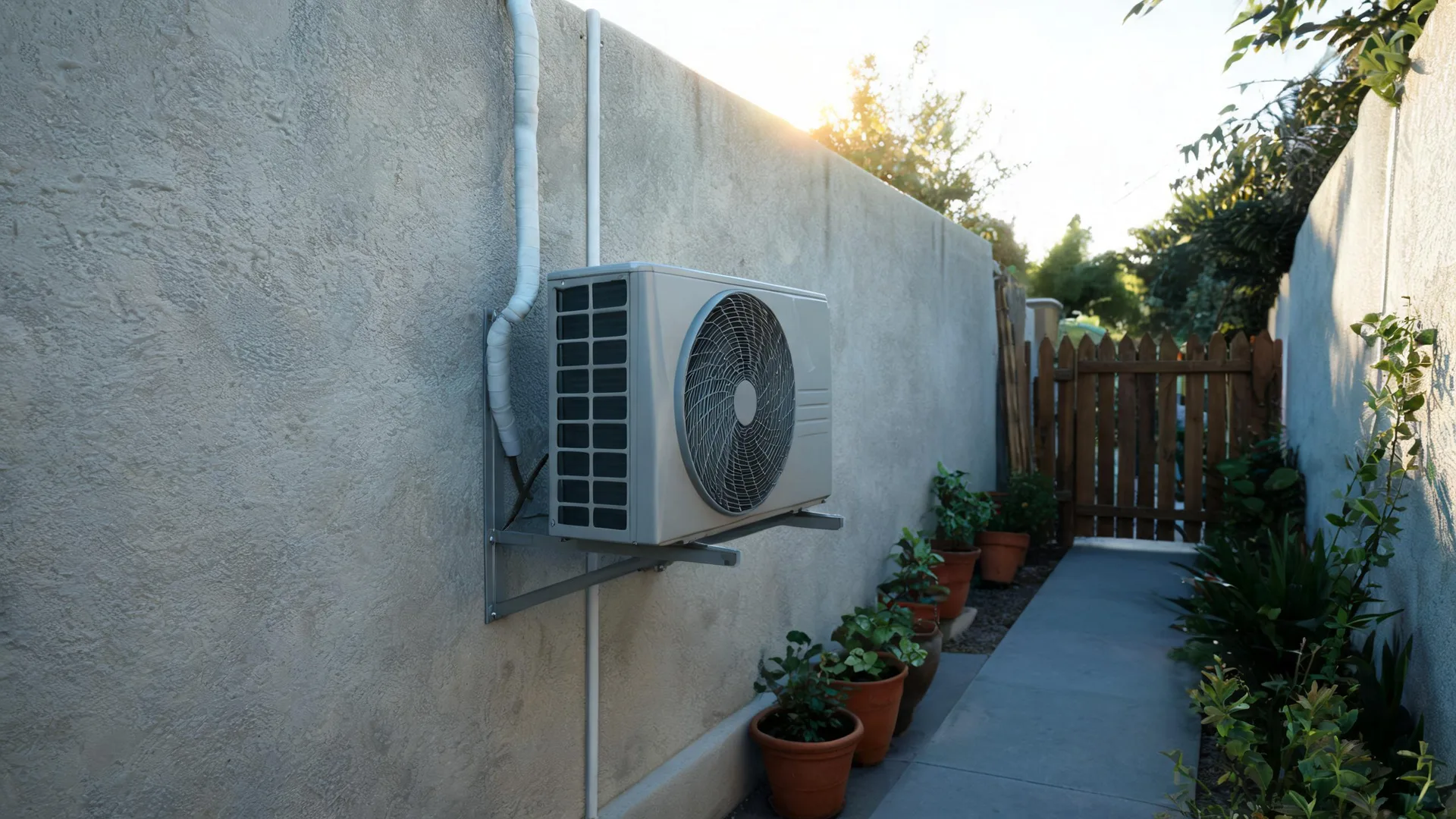
Cooling only runs three months here, June through August, with afternoon highs averaging 82. That's a mild load for an outdoor unit to work against. A mini split in Marshall County isn't fighting through a long stretch of heat, so it doesn't need to be the biggest or most efficient model on the lot to keep a room comfortable. What matters more is getting the install right. The county sees its share of wind and hail, so where the outdoor unit sits and how it's mounted counts for more than chasing a higher efficiency number. A system sized for the job and installed well will hold up fine here.
Marshall County falls in zone 5A, where heating is the bigger load. A mini split installed here has to meet the federal split-system minimum, 14.3 SEER2 for cooling and 7.5 HSPF2 for heating, if it's built new enough to fall under the current standard. That applies whether the unit is ducted or ductless. A federal tax credit is available on qualifying equipment.
Find a contractorIf your place is one of the older ones, the installer has to work with what's already there rather than a layout built for this kind of system. That means checking wall construction before mounting the indoor head, and finding a clean path for the line set and wiring to reach the outdoor unit. None of that stops the job, it just has to get checked before the work starts, not during it.
Since a mini split is going in alongside the furnace, not replacing it, there's no old equipment coming out. Nothing to disconnect, cap off or haul away. The job is mounting new line set and running new wiring, not removing anything that's already working.
Whatever's heating the house now keeps doing that job. The mini split's heat function covers rooms that run cold or need help on milder days, but the furnace stays the primary system. That's worth knowing when comparing quotes, since this isn't a full system swap with matched capacity on both sides.
The efficiency rating on a mini split's label, the SEER2 and HSPF2 numbers, tells you how much cooling or heating the unit delivers for the power it draws. A higher rating means it squeezes more comfort out of the same electricity. But that number comes from a lab test under set conditions, not from the room it ends up in. Mounting height, how well the line set is sealed, and the refrigerant charge all affect what the unit actually delivers once it's running. Units with the same rating on the label can perform differently depending on how the installer sets them up. The label tells you what the equipment is capable of. Getting that performance out of it is the installer's job, not the rating's.
When you're comparing quotes, ask how they arrived at the size of unit. A mini split has to be sized to the room it's cooling and heating, not picked off a chart by square footage alone. An installer should ask about ceiling height, window size and direction, and how many walls back onto unheated space. Ask where the outdoor unit will sit and why that spot, since airflow around it affects how hard it has to work. Ask what happens to the line set, whether it runs through a wall cavity or gets boxed in outside, because a sloppy path now means a harder repair later. And ask what's covered if the refrigerant charge turns out wrong after startup, since that's a common source of a unit that runs but never quite keeps up.