





Three lit brick homes on a tree-lined residential street photographed at dusk.

AC Installation in Greenwood, IN

Tell us about the job

Takes about a minute. No obligation.

New system or replacementCentral ACJohnson County, IN
Step 1 of 2

What ZIP code is the job in?

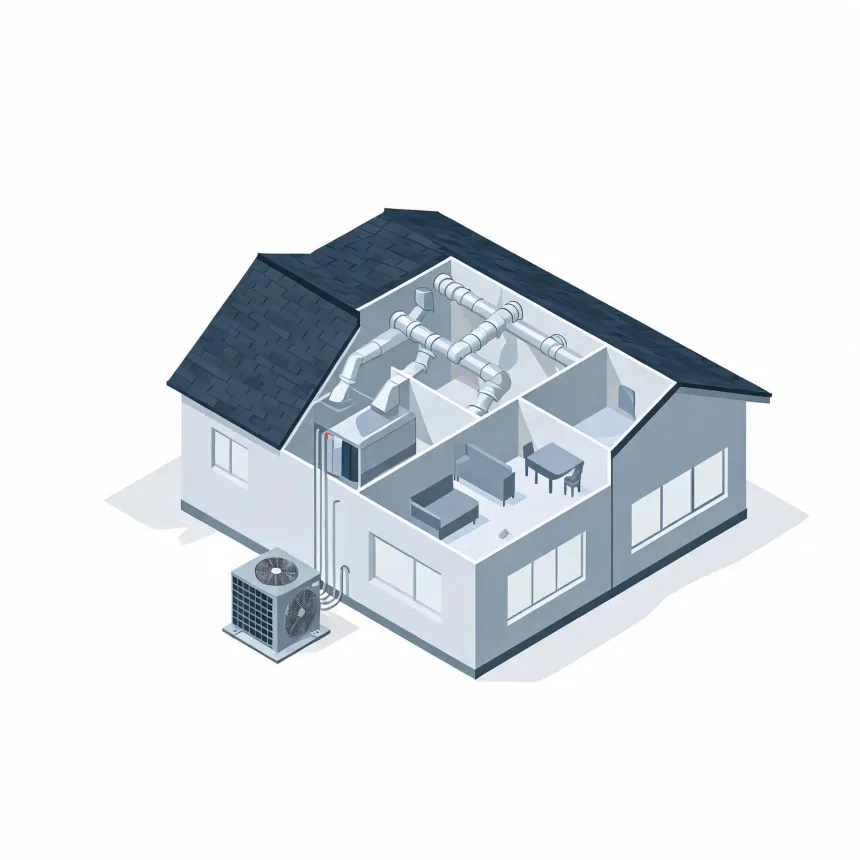
Gas furnace paired with central air is the most common setup in Johnson County, where utility gas heats 64 percent of homes. When you install new AC, the furnace handles heat and the air handler just moves cooled air across the coil, so the two systems share the same ductwork and the same blower in most cases. That matters during installation because the contractor sizes the new AC to work with what's already moving air through your house, not as a standalone box. Electricity heats another 31.6 percent of homes here, usually through a heat pump or electric furnace, and those setups get matched differently since the outdoor unit may need to handle both heating and cooling. If your home runs on gas heat like most in the county, replacing the AC side alone is usually the straightforward path.

4 months
June through September, your air conditioner is on duty
83°F
the average summer afternoon it cools against
26 hail events
in ten years, and hail bends the fins on outdoor coils
13.4 SEER2
the federal minimum any new unit must meet
Isometric illustration of a cutaway single-story house showing attic ductwork, an indoor air handler, interior rooms with furniture, and an outdoor condenser unit connected by lines, on a white background.
Your air conditioner works hardest from June through August.

NOAA nClimDiv, 1991–2020 normals

A correctly sized central air system doesn't need anything extra to handle Greenwood summers.

Standard equipment, installed to match your ductwork, is the right call here.

Four months of summer, nothing extreme, is what this system is built for

Cooling runs June through September
Summer afternoons average 83°F
26 hail events from 2015 to 2024

June through September is the stretch this system has to cover here, four months start to finish. May is the month before it starts, and that's the window worth using. An AC installed in May gets tested and adjusted while nothing's riding on it. Wait until the first hot week and you're choosing equipment under pressure, taking whatever install date is open, and running it hard before anyone's confirmed it's charged right and moving air the way it should.

New equipment here starts at 13.4 SEER2, with a credit on the table above that

Any central air system under 45,000 Btu/h installed here has to meet 13.4 SEER2 at minimum, the federal floor for equipment built after January 2023. Johnson County's climate, zone 4A, asks real work of both heating and cooling, and the standard remains the same either way. There's also a federal tax credit for qualifying high-efficiency equipment, worth checking before you settle on a system.

Find a contractor
A man in a dark shirt and tan pants carries a waxed canvas tool bag up porch steps toward an orange front door, with a potted olive tree beside the entry.
A gray metal air conditioning condenser unit mounted on a concrete pad in a flat grassy field under a partly cloudy sky.

What to ask before you pick one

Ask how the system was sized, not just what size it is. A contractor should calculate the load room by room based on your house, not swap in whatever matches the old unit. An oversized system cools the air fast and shuts off before it pulls humidity out, so the house feels clammy even at the right temperature. An undersized one runs constantly and still can't keep up on the hottest days. Both wear out sooner, just for different reasons. Ask what happens to the existing ductwork too. New equipment moves a different volume of air than old equipment did, and ducts that were fine for one system can choke or overpower another. A good contractor checks static pressure before they commit to a unit, not after it's installed and short-cycling.

The coil and the ductwork decide the labor

A straight swap, same tonnage, same spot, same ducts, is the fastest job a contractor does. Price climbs when the line set has to be rerouted, when the new coil doesn't match the furnace cabinet, or when the ducts have to be modified to carry the right airflow. None of that shows up until someone actually opens the system up and looks.

The equipment itself is only one line item

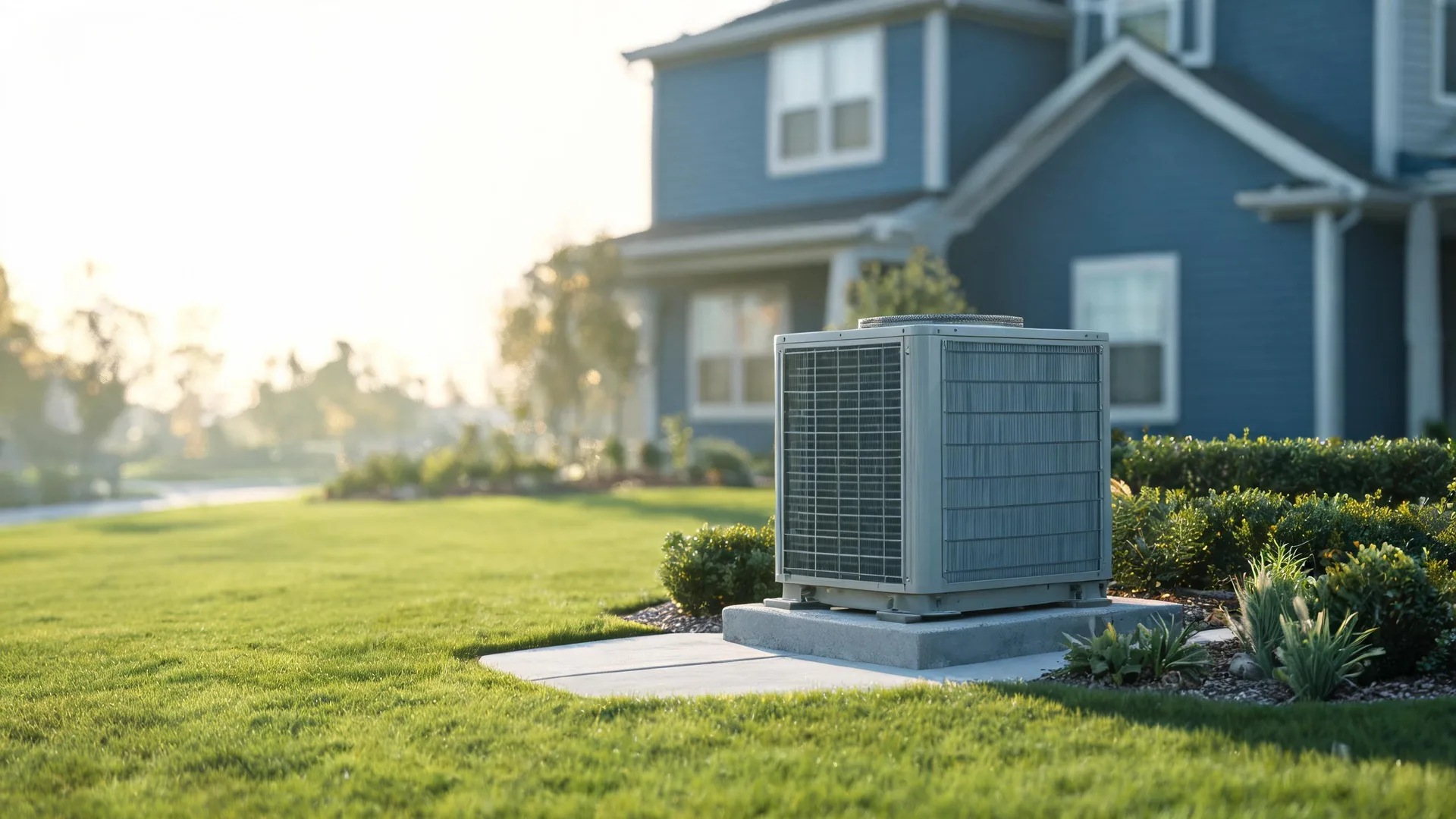
Beyond the condenser and coil, a proper install includes a new line set or a flush of the old one, a pad or stand for the outdoor unit, electrical work if the disconnect or breaker doesn't match the new load, and refrigerant charged on site to match the length of line run. Skip any of these and the system still turns on. It just doesn't last as long or run as efficiently as it should.

An outdoor air conditioning condenser unit positioned on a concrete pad next to a blue-sided house, surrounded by green shrubs and flowering hydrangeas at sunset.

A higher-efficiency unit would save about $30 a year to run in Johnson County compared with a new unit at the federal minimum.

  • A higher-efficiency unit$220 a year
  • A new unit at the federal minimum, 13.4 SEER2$250 a year

Estimates for a typical Johnson County home, from EIA household energy data, Indiana fuel prices and NOAA climate normals. Your home will differ.

Installation day starts with the old system coming out, not the new one going in. The condenser gets disconnected and hauled off, the old coil comes out of the furnace cabinet, and the line set either gets reused or replaced depending on its condition. Once the old equipment is clear, the new coil goes in and the new line set gets run and connected. From there it's a pressure test to check for leaks before any refrigerant goes in. Charging a system that isn't sealed right means doing the work over later. After the system holds pressure, it gets charged to match the length of line run, not just filled until a gauge hits some generic number. The last part is airflow. That means checking static pressure, confirming the blower is moving air across the new coil the way it should, and letting the system run long enough to see that it cycles and cools properly before anyone calls the job finished.