Age takes parts one at a time
A capacitor, a contactor, a fan motor. These don't all fail together. An AC that's otherwise sound usually just needs the one part replaced, and the rest of the system keeps going like it was before.
Takes about a minute. No obligation.
Air conditioners in Kendallville only run three months out of the year, June through August, with afternoon highs around 81. That's a short season. Your system here isn't fighting the kind of heat load it would in a hotter climate, so it doesn't wear out from strain the way units further south do. When something goes wrong, it's usually age catching up or a part that was neglected, not a system worked to the bone. That's worth knowing when you're deciding whether a repair makes sense. Most of the time here, it does.

NOAA nClimDiv, 1991–2020 normals
Warm air coming out of the vents means the system has already stopped cooling, not that it's about to.
Get someone out before it quits completely, because a compressor that's struggling now can seize up later.



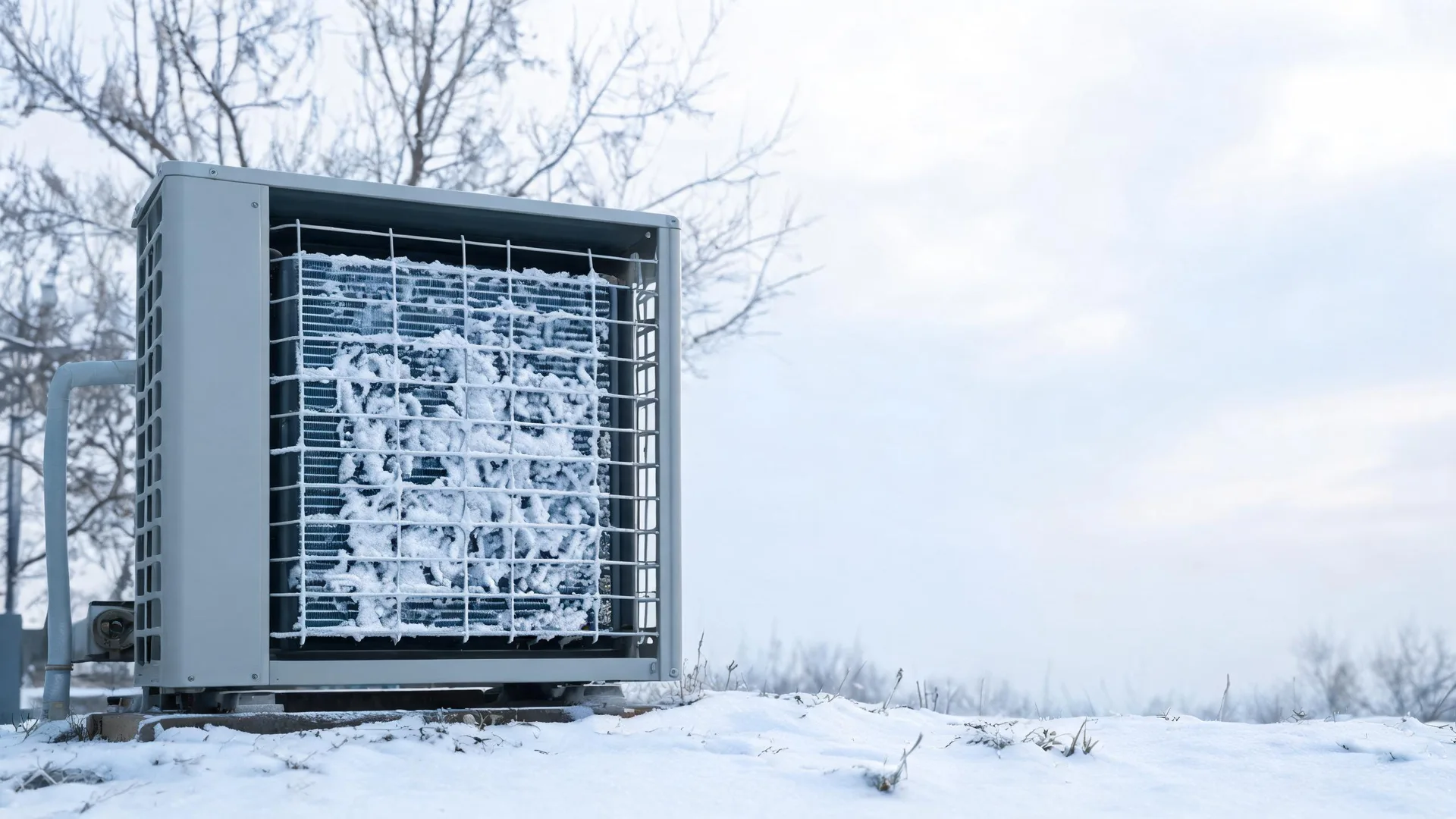
Since the strain on your system here is low, a repair is usually the right call rather than a sign to start pricing a new unit. Before anyone touches the refrigerant lines, it's worth asking whether wind or hail got to the outdoor unit first. Noble County has seen 54 damaging wind events and 16 hail events over the past decade, and a bent fin or a cracked fan blade looks a lot like ordinary wear until someone checks. That's a different fix than a part giving out from age. Either way, the system itself hasn't been run hard, so there's usually something solid left to repair.
It has an easier job here than in most places, so your air conditioner is often in decent shape. Repair is usually worth it.
Find a contractorA refrigerant leak is the clearest case. Once the charge drops, the compressor starts pulling harder to move what's left, and it runs hotter doing it. Keep the system on and that heat has nowhere to go but into the compressor windings. A weak capacitor follows the same pattern. It's already struggling to give the motor its starting kick, and every cycle it has to work without enough help puts more load on the motor itself. Even a dirty condenser coil turns into a bigger problem the longer it runs, because the system can't shed heat properly and everything behind that coil works harder to compensate. None of these start as compressor problems. Left running, that's where they end up, and a compressor is the one part usually not worth replacing on its own.
A capacitor, a contactor, a fan motor. These don't all fail together. An AC that's otherwise sound usually just needs the one part replaced, and the rest of the system keeps going like it was before.
Replacing the whole system makes sense when the compressor itself has failed, or when enough separate parts have given out that fixing them one by one costs more than starting fresh. Short of that, there's usually a specific thing broken, not a system in decline.
Estimates for a typical Noble County home, compared with an older unit built to the previous federal minimum, from EIA household energy data, Indiana fuel prices and NOAA climate normals. Your home will differ.
Repair makes sense when a part like a capacitor or contactor has failed.
Replacement makes sense when the compressor has failed or the system uses R-22 refrigerant, which is no longer made.
A diagnostic visit starts outside, at the condenser. A tech checks the refrigerant charge, the compressor amp draw, and whether the fan is spinning freely. Then it's the capacitor and contactor, since those fail often and are quick to test. Inside, they'll check the evaporator coil for ice or buildup and look at airflow across it, because a system can test fine on the electrical side and still fail on airflow. Every reading gets compared against what the manufacturer specs for that unit, not a general guess. By the time the tech is done, they can usually point to the one part that's out of range rather than replacing things to see what helps.