Four months of real work
Air conditioners in Columbus run June through September. Afternoon highs average 84°F across those months. That is a normal cooling load, not a punishing one. A system in good shape handles it every summer without strain.
Takes about a minute. No obligation.
Air conditioners in Columbus run June through September. Afternoon highs average 84°F across those months. That is a normal cooling load, not a punishing one. A system in good shape handles it every summer without strain.
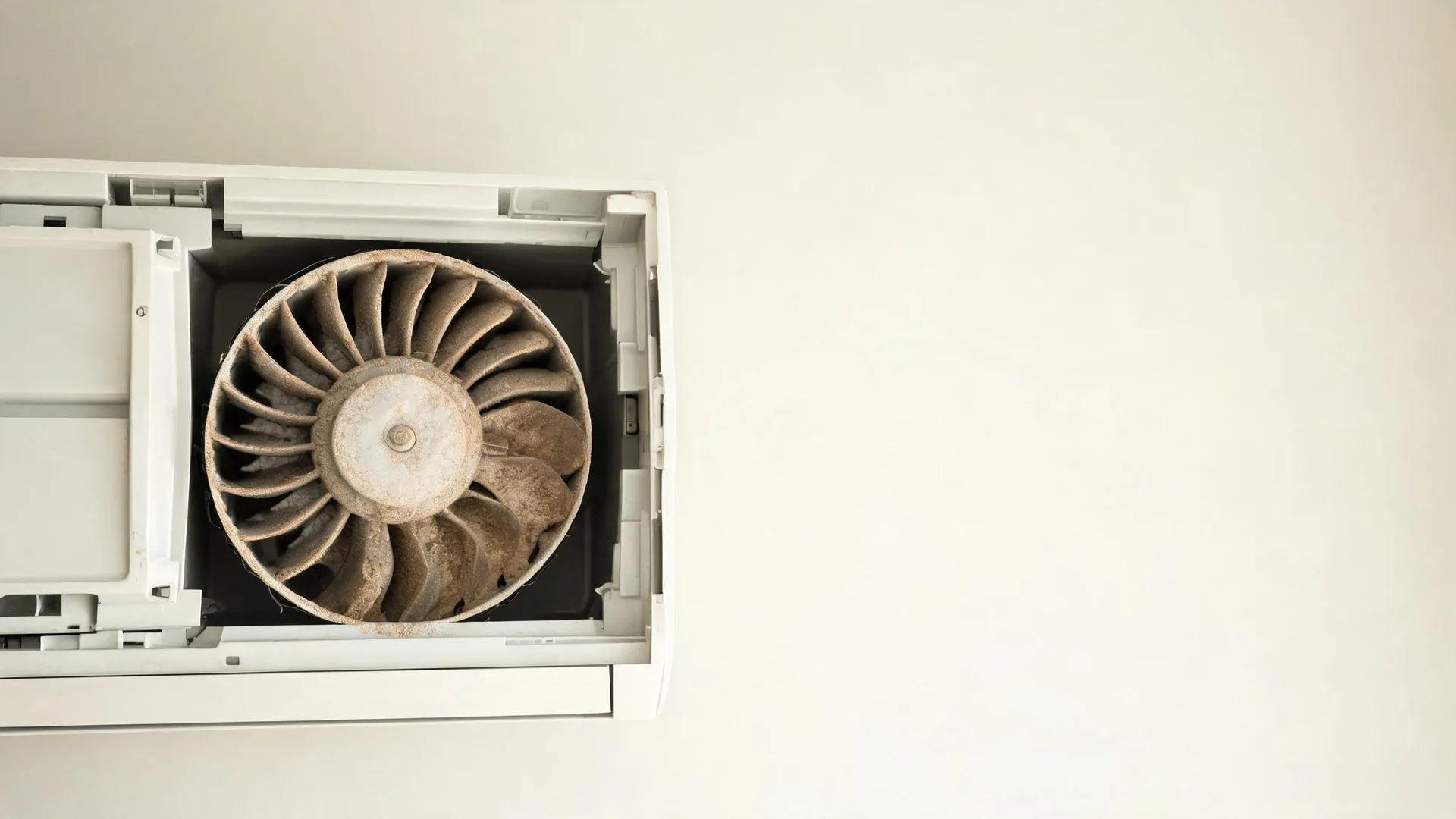
When an AC here is struggling, the climate is rarely why. A weak capacitor, a low refrigerant charge, a dirty coil, a clogged filter. These show up in any home, in any town. Finding which one it is matters more than guessing at the weather.

NOAA nClimDiv, 1991–2020 normals
Cooling starts in June here, and the first hot stretch finds every weak part fast.
An AC struggling in June is likely to keep struggling through September, so get it looked at now.



A worn capacitor or low refrigerant charge costs the same to find and fix whether the house is in Columbus or anywhere else. What changes is the electric bill while a system runs inefficient. Indiana homes paid 14.77 cents per kilowatt-hour in 2024, and a struggling AC, one low on charge or pulling dirty air through a clogged filter, uses more of those kilowatt-hours to do the same job. A unit that is short-cycling or running long because of a bad part is costing more every month it goes unfixed. That is a reason to get the real cause found early, not just a reason to tolerate the noise or the weak airflow.
Nothing about this area is especially hard on it. It's most likely the usual problem with the usual fix.
Find a contractorAn AC that is working fine doesn't announce itself. One that needs a repair usually does, if you know what to listen for. Short cycling is one of the clearest signs. The system kicks on, runs a few minutes, shuts off, then starts again before the house has cooled. That is hard on the compressor every time it happens. Warm air coming from the vents while the unit runs points at low refrigerant or a failing compressor. That is not something to wait out. Ice on the refrigerant line usually means airflow is restricted. A dirty filter or a weak blower are the common reasons. A hissing or bubbling sound near the lines can mean a refrigerant leak. Grinding or squealing from the outdoor unit usually means a motor bearing is going. None of these get better by running the system less. They get worse, and they tend to take other parts down with them.
A run capacitor holds a charge that keeps the compressor and fan motors going once they start. Heat wears it down, and it weakens before it dies outright. A compressor that hums but won't start, or a fan that needs a push to get spinning, usually means the capacitor is on its way out. It is a small part and a common fix.
A sealed system doesn't use up refrigerant the way a car uses gas. If the charge is low, it is low because it is escaping somewhere, usually through a worn fitting or a small hole in the coil. Adding refrigerant without finding the leak just means doing it again later. The leak has to be found and closed first.
Estimates for a typical Bartholomew County home, compared with an older unit built to the previous federal minimum, from EIA household energy data, Indiana fuel prices and NOAA climate normals. Your home will differ.
Repair makes sense when a part like a capacitor or contactor has failed.
Replacement makes sense when the compressor has failed or the system uses R-22 refrigerant, which is no longer made.
A diagnostic starts with the thermostat and works outward. The tech checks the signal getting to the unit, the power reaching the compressor and fan, and the refrigerant pressure on both sides of the system. Gauges on the lines tell them whether the charge is right or low, and a low reading means there's a leak to trace before anything gets added. They'll pull the capacitor and test it under load rather than guess from how it looks. Airflow gets checked too, at the filter, the coil, and the blower, since a restriction anywhere in that path can mimic a refrigerant problem. By the end they can usually point at the one part responsible instead of swapping pieces until something works.