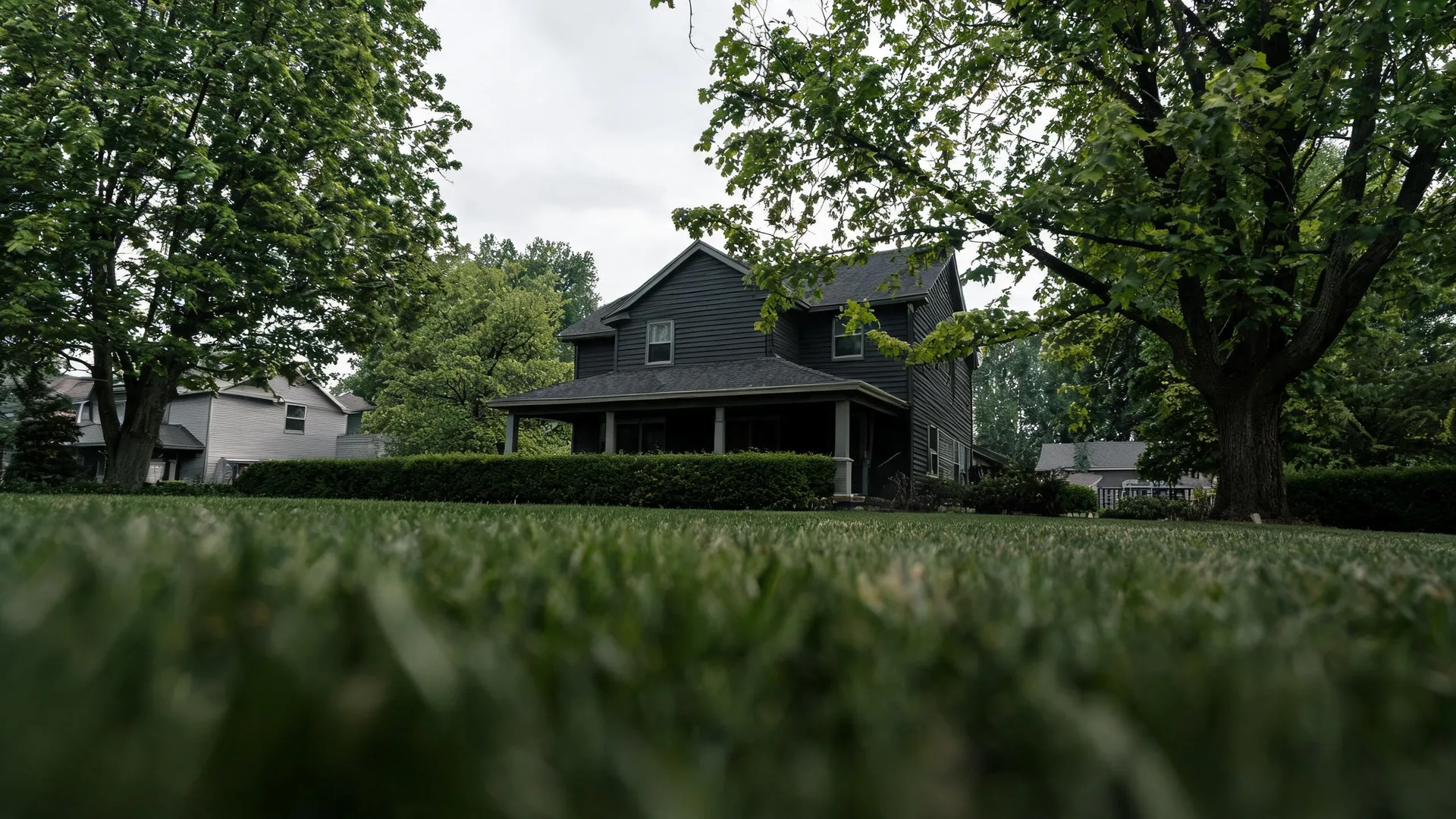





A low ground-level view across a mown lawn toward a dark two-story house with a covered front porch, flanked by large leafy trees under an overcast sky.

AC Repair in Crawfordsville, IN

Tell us about the job

Takes about a minute. No obligation.

RepairCentral ACMontgomery County, IN
Step 1 of 2

What ZIP code is the job in?

Summers around Crawfordsville are short. Your AC really only works June through August, with afternoon highs averaging 83. That's a light load compared to what cools further south, and it adds up over the years. A system that only runs hard for a few months a year wears slower than one running all summer long. So if your AC is acting up now, age by itself probably isn't the reason. More likely it's a specific part that failed or a system that missed a service, and that's usually worth fixing rather than replacing.

3 months
June through August, your air conditioner is on duty
83°F
the average summer afternoon it cools against
20 hail events
in ten years, and hail bends the fins on outdoor coils
29 wind events
in ten years, and wind drives debris into outdoor units
Isometric line illustration of a cutaway single-story house showing interior rooms, attic ductwork and an air handler, connected by a line to an outdoor condenser unit on a pad.
Your air conditioner works hardest from June through August.

NOAA nClimDiv, 1991–2020 normals

AC runs June through August here.

May is check month. A part on its way out usually fails the first hot week it has to work hard.

Half the homes here were built by 1967, so the AC itself may be older than the house's last owner

Half the homes here were built by 1967
Cooling runs June through August
Summer afternoons average 83°F

When an AC fails here, it's usually one part, not the whole system. A capacitor weakens, a contactor sticks, a condenser fan motor burns out. None of that has much to do with how hard the summer pushes it. Electricity in Indiana ran 14.77 cents per kilowatt-hour in 2024, so a system that's losing charge or struggling to cycle costs more to run every week it goes unfixed. A technician can usually find the failed part and replace it without touching anything else.

Worth fixing, not replacing

Get the part that failed looked at. A system that's had a light summer load for years is usually sound everywhere except the one piece that gave out, and that's a straightforward fix.

Find a contractor
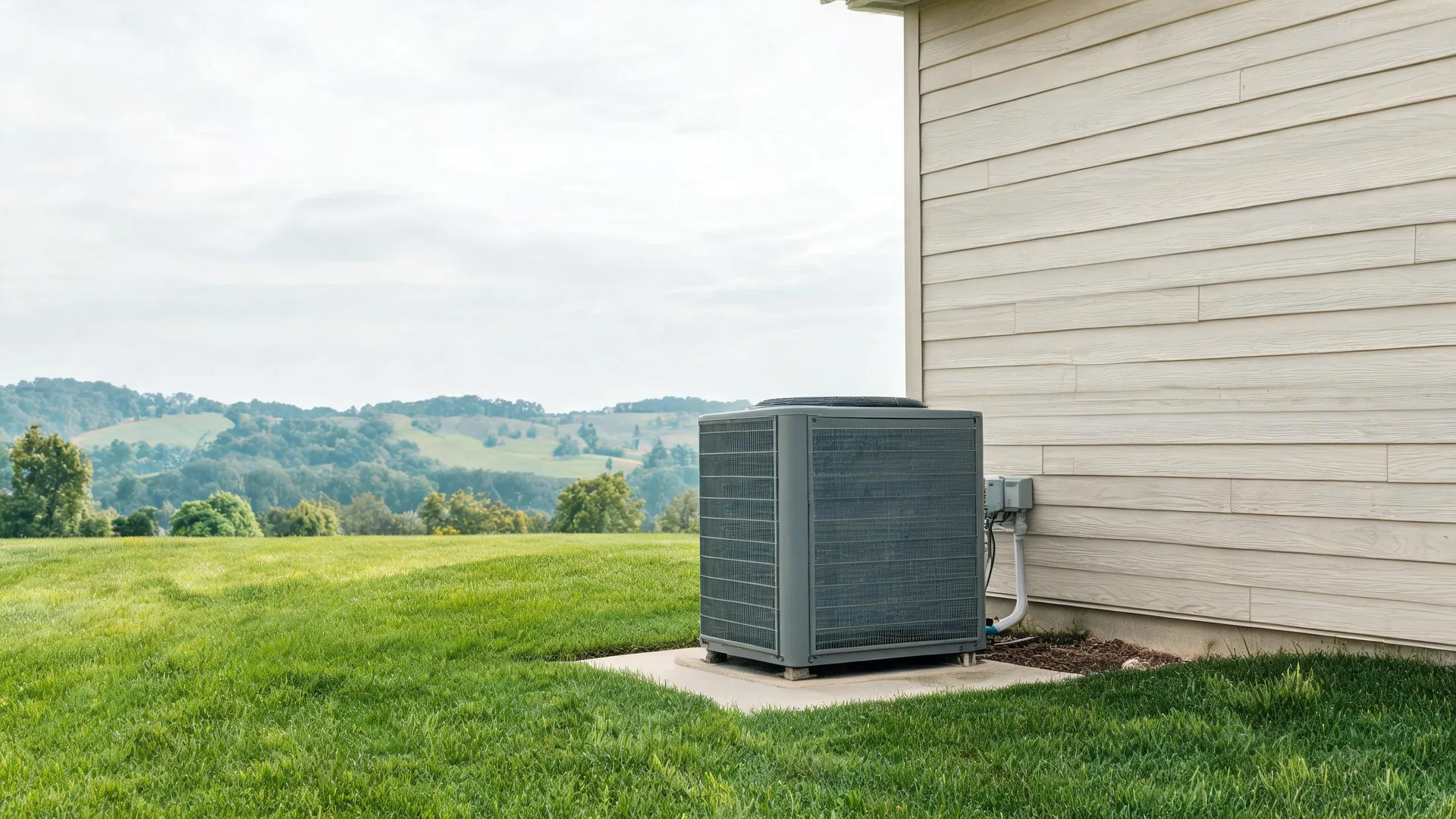
A gray residential air conditioning condenser unit mounted on a concrete pad outdoors, surrounded by green grass under a partly cloudy blue sky.

Ask how much life the system has left

If your system came with a house built in 1967 or earlier, ask the technician how much life it has left before paying for this repair. A part can be replaced on its own, but it helps to know whether the system behind it is near the end or has years left. That answer should guide whether this repair is worth it.

What you'll actually notice first

Warm air coming out of the vents when the thermostat is calling for cool. A sound that wasn't there before, a click that repeats, a hum that doesn't turn into the compressor starting. The outdoor unit running but not cooling, or not running at all when it should. Short cycles, where the system kicks on and shuts off again within a couple minutes instead of running a full cycle.

Why it's worth a look right away

A weak capacitor or a sticking contactor doesn't fix itself. It either gets replaced while it's still struggling, or it fails the rest of the way and puts a harder load on the compressor every time it tries to start. The compressor is the part you don't want to lose. Catching the small part early keeps it from taking the compressor down with it.

Overhead view of an outdoor AC condenser unit on a concrete pad next to a house with a dark shingle roof.

A new air conditioner would save little on running costs in Montgomery County, so the repair decision comes down to the unit's condition.

  • A new one at the federal minimum, 13.4 SEER2$230 a year
  • An older air conditioner$240 a year

Estimates for a typical Montgomery County home, compared with an older unit built to the previous federal minimum, from EIA household energy data, Indiana fuel prices and NOAA climate normals. Your home will differ.

Repair makes sense when a part like a capacitor or contactor has failed.

Replacement makes sense when the compressor has failed or the system uses R-22 refrigerant, which is no longer made.

A diagnostic starts outside, with the condenser unit. The technician checks whether the fan spins freely, whether the compressor is drawing the right current, and whether the capacitor is holding its charge under load. Low voltage readings and refrigerant pressure usually point straight to the failing part. Inside, they check the air handler, the thermostat signal, and whether the system is actually calling for cool and getting a response. Most of this gets answered with a multimeter and gauges, not guesswork. By the end, the failed part has a name, and the technician can tell you whether it's a quick swap or a sign of something else wearing down nearby.