A mowed lawn bordered by a tall trimmed hedge, with single-story houses and large leafy trees under an overcast sky.

AC Repair in Portage, IN

Tell us about the job

Takes about a minute. No obligation.

RepairCentral ACPorter County, IN
Step 1 of 2

What ZIP code is the job in?

Three months of real work

Air conditioners in Portage run from June through August, with afternoon highs averaging 82°F. That is a normal summer load, not a strain. If your AC is struggling, something in the system has failed, not the weather asking too much of it.

Look for the actual cause

Only running three months a year does not rule out wear. Capacitors weaken, coils get dirty, refrigerant leaks out slowly over years. The fix is finding which of these is behind the symptoms you're seeing, not assuming the unit is simply old or overworked.

3 months
June through August, your air conditioner is on duty
82°F
the average summer afternoon it cools against
26 hail events
in ten years, and hail bends the fins on outdoor coils
101 wind events
in ten years, and wind drives debris into outdoor units
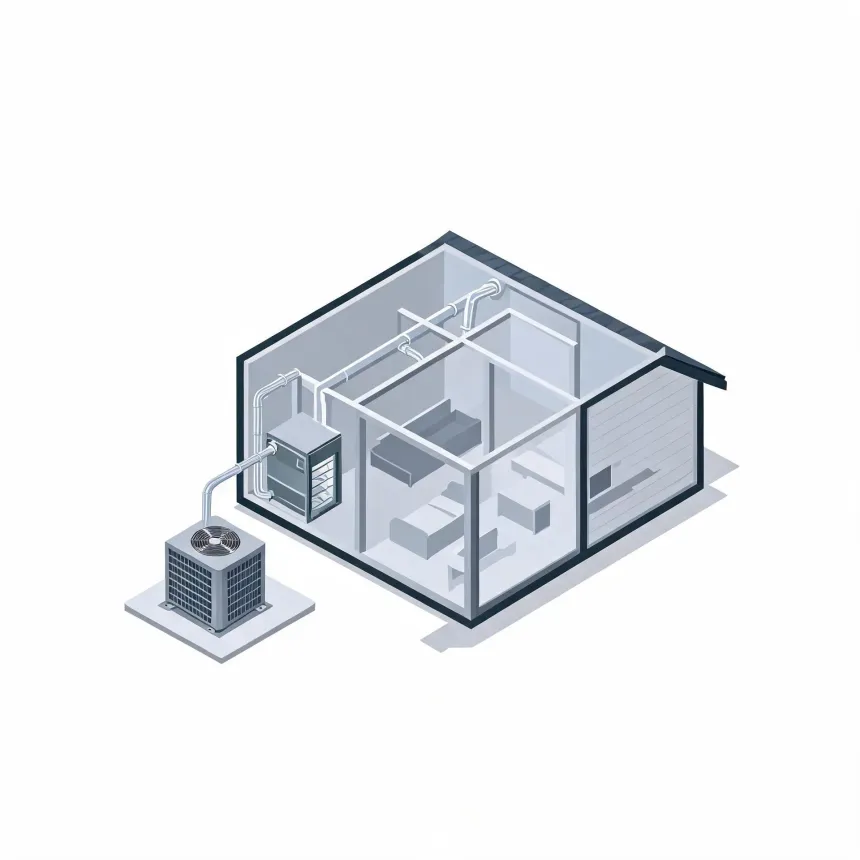
Isometric grayscale illustration of a cutaway house showing interior rooms, ductwork, an indoor air handler, and an outdoor condenser unit on a pad connected by lines.
Your air conditioner works hardest from June through August.

NOAA nClimDiv, 1991–2020 normals

May is the quiet month, before Portage AC units switch on for June.

A unit with a weak part usually shows it in the first hot week, not mid-August.

Portage gets its share of storms, but that's not what's wearing out your AC

145 severe weather events from 2015 to 2024
17% of homes statewide lost power a day or more in 2024
101 damaging wind events from 2015 to 2024

Half the homes in Porter County were built in 1982 or later. If yours is one of them, the AC that came with it isn't old by nature, it's just the age of the house. A unit installed when a newer home was built still has plenty of working life in it. That changes how you should read a breakdown. A failing capacitor or a low charge in a system that age is a repair, not a sign the unit is done.

Find the part that failed

Nothing about Portage summers is hard on an AC unit. When one acts up, something inside it has actually failed, a capacitor, a dirty coil, a slow refrigerant leak, and that part can be found and fixed. Electricity in Indiana ran 14.77 cents per kilowatt-hour in 2024, so a unit working harder than it should costs more every day it runs that way.

Find a contractor
A gray cylindrical air conditioning condenser unit mounted on a concrete pad next to a light-colored vinyl-sided house exterior.

Check the age before you replace it

If your house was built in 1982 or later, check the panel or the paperwork before you decide the unit is done. A system that came in with a newer house is still young enough that most failures are single parts giving out, not the whole machine reaching the end. That's the system worth calling in a repair for, not replacing.

A weak part gets worse under load

A capacitor that is starting to go does not fail cleanly. It struggles to start the compressor, that strain heats the compressor windings, and heat shortens whatever life the compressor had left. The same goes for a refrigerant leak. Run the system low on charge and the compressor works harder to move what little refrigerant is left, wearing on a part that was fine when the system had its full charge.

Waiting turns a repair into a bigger one

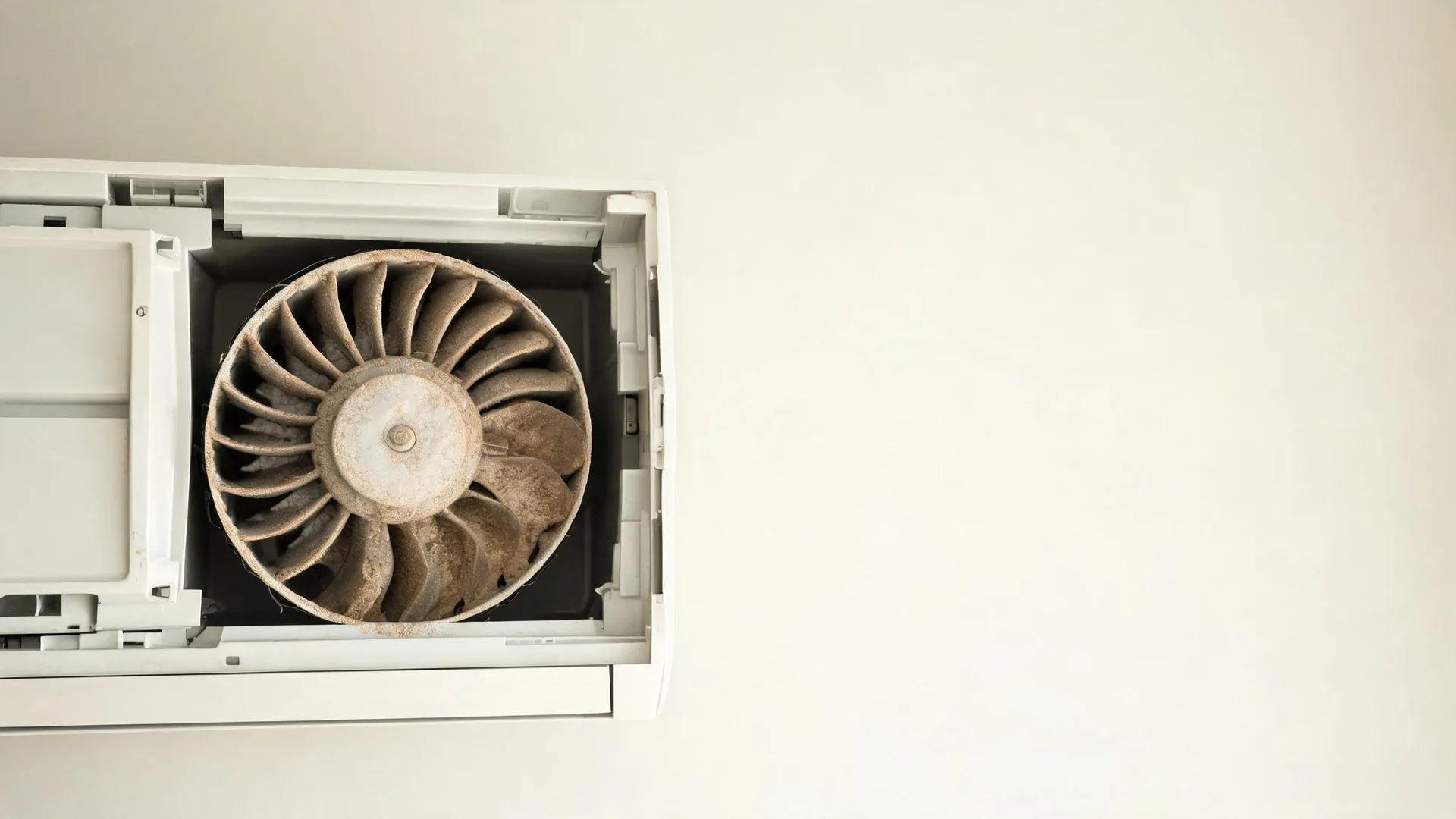
A dirty coil blocks airflow, so the system runs longer to do the same job, and that extra runtime is what pushes a weak capacitor or a tired compressor past the point of just struggling. Shut the system off when something seems off and a technician is usually looking at one failed part. Keep running it and the same call can turn into replacing the compressor along with it.

Aerial view of a residential air conditioning condenser unit mounted on a concrete pad next to a house with vinyl siding and a sliding glass door.

A new air conditioner would save little on running costs in Porter County, so the repair decision comes down to the unit's condition.

  • A new one at the federal minimum, 13.4 SEER2$200 a year
  • An older air conditioner$210 a year

Estimates for a typical Porter County home, compared with an older unit built to the previous federal minimum, from EIA household energy data, Indiana fuel prices and NOAA climate normals. Your home will differ.

Repair makes sense when a part like a capacitor or contactor has failed.

Replacement makes sense when the compressor has failed or the system uses R-22 refrigerant, which is no longer made.

A repair is worth it when one part failed and the rest of the system is sound. A technician checks the compressor windings, the suction line pressure, and how the system cycles before saying which this is. If the compressor itself is grounded or seized, that changes the math, since that part alone is most of what a system costs. But a bad capacitor, a stuck contactor, or a clogged coil doesn't mean the compressor is damaged. It means that one piece gets replaced and the system runs like it did before. Age matters less than what actually broke and what it did to the parts around it on the way down.