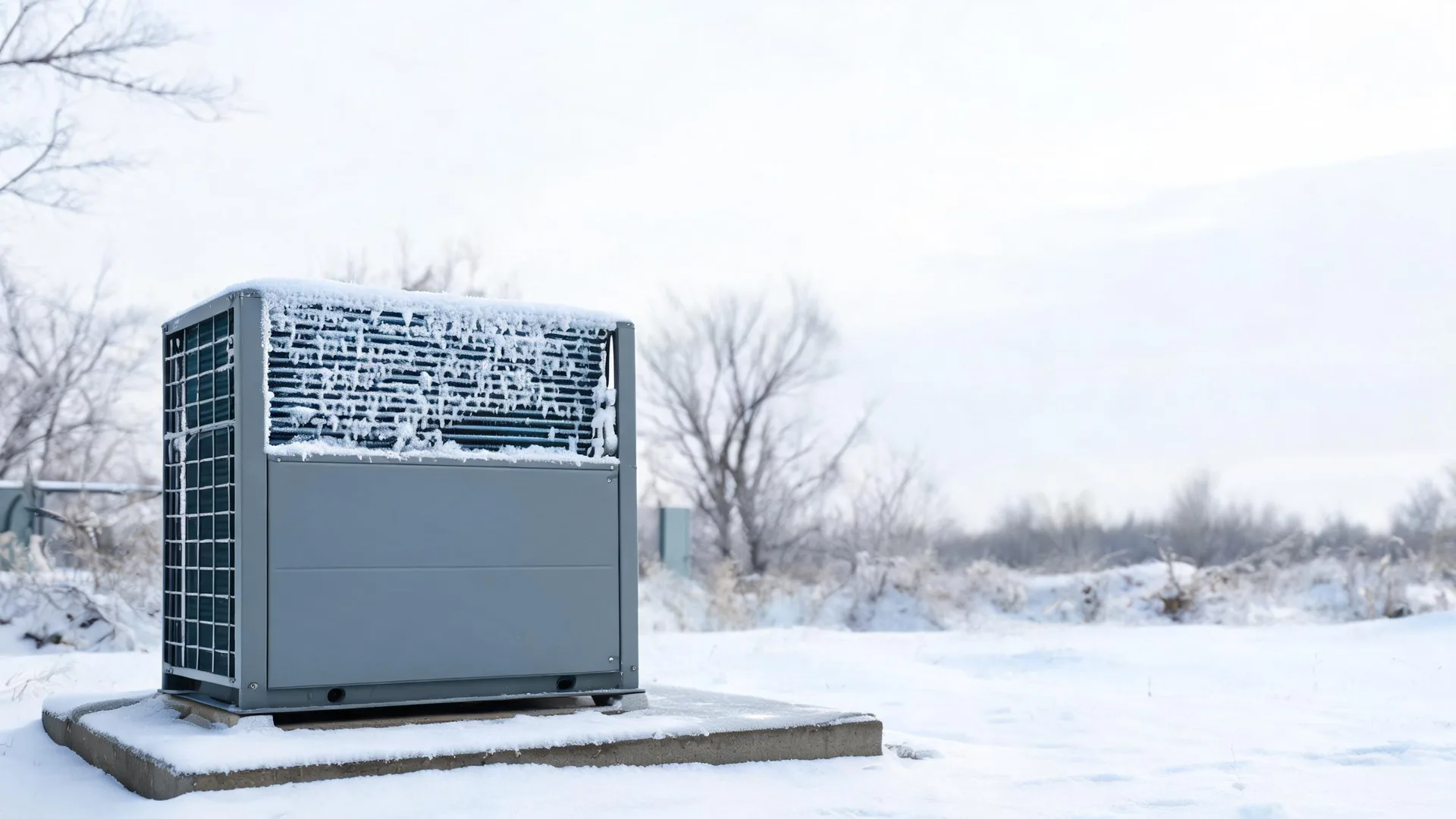
An outdoor air conditioning condenser unit positioned beside a blue-sided house at sunset.

AC Repair in Marion, IN

Tell us about the job

Takes about a minute. No obligation.

RepairCentral ACGrant County, IN
Step 1 of 2

What ZIP code is the job in?

June is when weak parts fail

Cooling in Grant County runs June through August. May is the month systems sit idle, and June is when a tired capacitor or a low charge finally gets tested by real heat. If your AC is struggling now, it's probably been marginal for a while.

A repair now should hold the season

Three months of cooling is not a long run for a system in good shape. Once the real cause is found and fixed, whether that's a part replaced or a charge corrected, there's no reason it shouldn't carry you through August without a repeat visit.

3 months
June through August, your air conditioner is on duty
83°F
the average summer afternoon it cools against
21 hail events
in ten years, and hail bends the fins on outdoor coils
43 wind events
in ten years, and wind drives debris into outdoor units
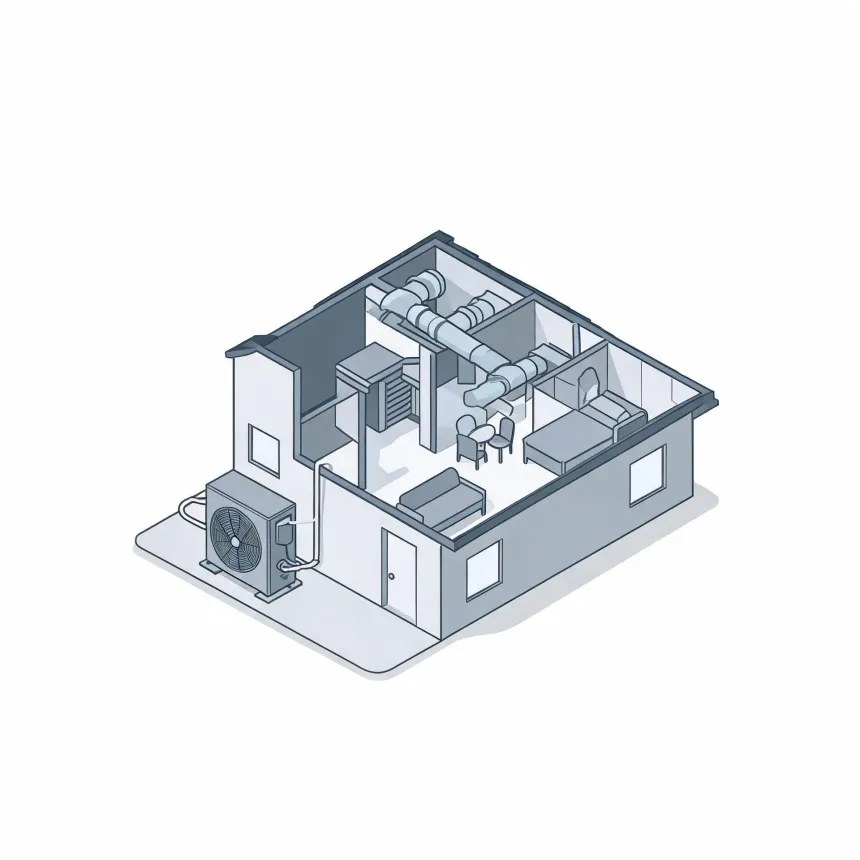
Isometric line illustration of a cutaway house showing interior rooms with furniture and ceiling ductwork, connected to an outdoor condenser unit with a fan beside the building.
Your air conditioner works hardest from June through August.

NOAA nClimDiv, 1991–2020 normals

Summer here only lasts from June through August, with afternoons averaging 83°F.

Three months of moderate heat doesn't wear out a condenser or compressor. When one fails, age or a bad part is almost always the reason, not the climate.

Marion doesn't push AC systems hard. A repair that's done right has no reason not to hold.

Power costs 14.77 cents a kWh statewide
Cooling runs June through August
Summer afternoons average 83°F
Marion's homes are older than mostHalf the homes in Grant County were built in 1963 or earlier.

Once a tech finds the actual cause, age of the unit matters more than the fix itself. A capacitor or contactor is cheap to replace and brings a system back to full working order, no matter how old the unit is. A compressor is a different question. If that's what failed, the cost of the part alone starts to compete with putting that money toward a new system, and a tech should walk you through both sides rather than just order the part. A sealed system that's lost refrigerant once can usually be repaired and recharged. A system that keeps losing charge points to a bigger problem than one bad fitting. The honest answer depends on which part failed, not how old the system looks from the outside.

Know what you're repairing before you decide

If your AC came with the house, ask the tech how much life is left in it before you fix anything. A capacitor or contactor is worth repairing on a system of any age. A compressor on an old unit is worth a second opinion first.

Find a contractor
A man in a gray T-shirt and tan work pants, carrying a canvas tool bag, climbs porch steps toward an orange front door beside a potted shrub.
An outdoor residential air conditioning condenser unit mounted on a concrete pad, surrounded by gravel with a blue sky in the background.

What you can rule out before the tech gets there

Before anyone comes out, check the simple things. Look at the thermostat first. Make sure it's set to cool, set below room temperature, and the batteries aren't dead if it has a screen that's gone dark. Next, check the breaker. A tripped breaker is a quick fix, but if it trips again once you reset it, stop and leave it off. That's a sign of a short or an overloaded circuit, not something to keep testing. Go outside and look at the condenser. If the fan isn't spinning and you don't hear a hum, that's worth telling the tech before they arrive. If it's covered in grass clippings or crowded by shrubs, clear the space around it, since airflow matters to how the unit sheds heat. Inside, pull the air filter and hold it up to a light. If you can't see light through it, it's restricting airflow to the coil, and that alone can make a system struggle even with nothing else wrong. Check for ice on the indoor coil or the copper line running to the condenser. Ice means something is off with airflow or charge, and running the system more will only make it worse. None of this tells you exactly what's wrong. It just means the tech starts with good information instead of guessing from scratch.

Short cycling wears out what starts it

A system that shuts off a few minutes after starting, then kicks back on soon after, is struggling to finish a cycle. That's hard on the compressor and the capacitor both, since starting draws more power than running does.

Warm air from the vents means check the coil first

If the vents are blowing air that isn't cold, the outdoor unit might still be running fine while the indoor coil is frozen or starved of airflow. That's a different problem than a dead compressor, and it's worth knowing before a tech arrives.

An outdoor air conditioning condenser unit positioned on a concrete pad next to a blue-sided house, surrounded by green shrubs and flowering hydrangeas at sunset.

A new air conditioner would save little on running costs in Grant County, so the repair decision comes down to the unit's condition.

  • A new one at the federal minimum, 13.4 SEER2$230 a year
  • An older air conditioner$240 a year

Estimates for a typical Grant County home, compared with an older unit built to the previous federal minimum, from EIA household energy data, Indiana fuel prices and NOAA climate normals. Your home will differ.

Repair makes sense when a part like a capacitor or contactor has failed.

Replacement makes sense when the compressor has failed or the system uses R-22 refrigerant, which is no longer made.

Most AC repair calls come down to the same handful of parts. The capacitor gives the compressor and fan motor their starting push, and it weakens with heat and age until one day it can't deliver it. The contactor is the switch that sends power to the outdoor unit, and its contacts pit and burn with every cycle until they stop closing reliably. A dirty condenser coil forces the whole system to work harder to shed heat, and that extra strain is what pushes a marginal capacitor or contactor past the point of failing. Refrigerant doesn't get used up, so a system that's low almost always has a leak somewhere in the line set or coil. Drain lines clog with algae and shut the system down on purpose, as a safety measure, not a sign the compressor is in trouble.