Five months of real work
AC in Vincennes runs May through September, with afternoon highs averaging 86°F through the summer. That's a normal cooling load, not an extreme one. A system sized and maintained right should handle it without strain.
Takes about a minute. No obligation.
AC in Vincennes runs May through September, with afternoon highs averaging 86°F through the summer. That's a normal cooling load, not an extreme one. A system sized and maintained right should handle it without strain.
Wind and hail both show up in Knox County most years, but neither one explains most repair calls here. A system that's cooling poorly or not turning on is more likely dealing with a worn capacitor, a low charge, or a dirty coil. Those are the things worth checking first.

NOAA nClimDiv, 1991–2020 normals
Warm air from the vents usually means the compressor can't keep up, not that it's out of refrigerant.
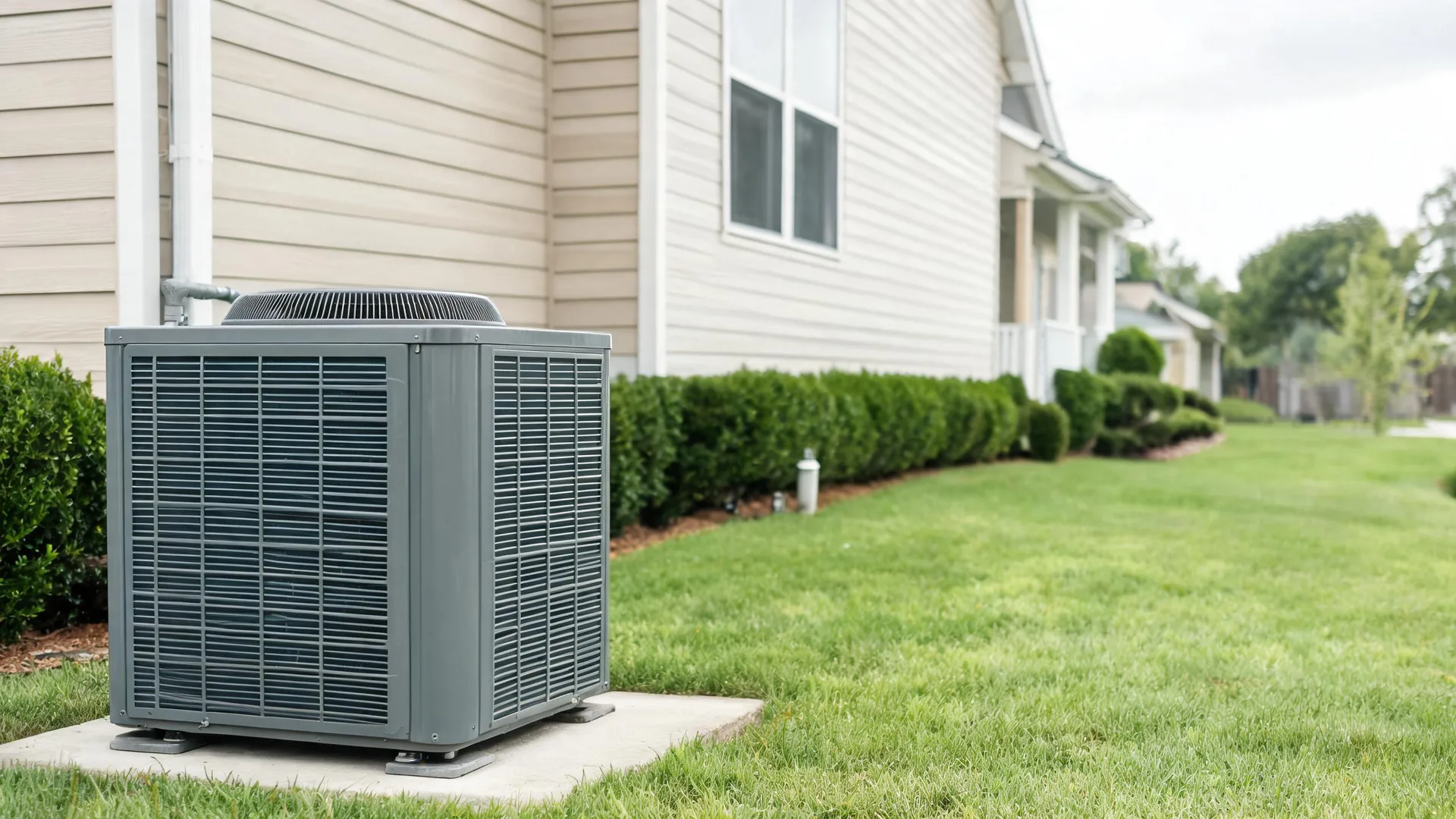
Check the outdoor unit before anything else. If the fan isn't spinning or the compressor is silent, that's where the problem lives.




AC season in Vincennes runs May through September. April is a good month to get a system looked at, before the first real heat hits. A capacitor or contactor that has been weakening all winter often doesn't show it until the compressor has to run for hours at a stretch. That first run of warm days in May is when it gives out. Getting it checked in April means the weak part gets found on a mild day, not in the middle of the season when everyone else is calling too.
A system burning 14.77 cents a kilowatt-hour while it struggles is spending more of your money every day it runs that way. Get the real cause found now, while it's a quick fix instead of a replacement.
Find a contractor
Most AC failures trace back to the same handful of parts, and all of them wear from running, not from age by itself. The capacitor gives the compressor and fan motor their starting push, and it weakens a little every time it cycles until one day it can't do the job. A contactor's contacts pit and burn from the arc every time they close, until the connection gets unreliable or stops. The condenser fan motor's bearings wear from spinning for hours at a stretch. None of these announce themselves ahead of time. They work fine, then they don't, usually on the hottest, longest-running day of the year.
Make sure it's set to cool and the setting is below room temperature. Replace the batteries if it has a blank or dim display. A thermostat that's lost its schedule or its power can look exactly like a dead AC.
Pull it out and hold it up to a light. If you can't see light through it, it's choking off airflow, and the system will run long and cool poorly no matter what else is right with it. A clean filter rules out the simplest cause before anyone comes out.
Estimates for a typical Knox County home, compared with an older unit built to the previous federal minimum, from EIA household energy data, Indiana fuel prices and NOAA climate normals. Your home will differ.
Repair makes sense when a part like a capacitor or contactor has failed.
Replacement makes sense when the compressor has failed or the system uses R-22 refrigerant, which is no longer made.
A diagnostic visit starts outside at the condenser, before anything gets opened up. A tech checks that the fan is spinning and the compressor is running. Then it's on to the electrical side, the capacitor, the contactor, the wiring. Gauges go on the refrigerant lines next to see whether the charge is right or low. The coil gets a look too, since caked-on dirt or ice there will stop a system from cooling no matter what else is fine. Inside, the filter and return air get checked, because a system starved for airflow can act like it has a completely different problem. Most visits end with one worn part found, not a long list of maybes.