Three months of real work
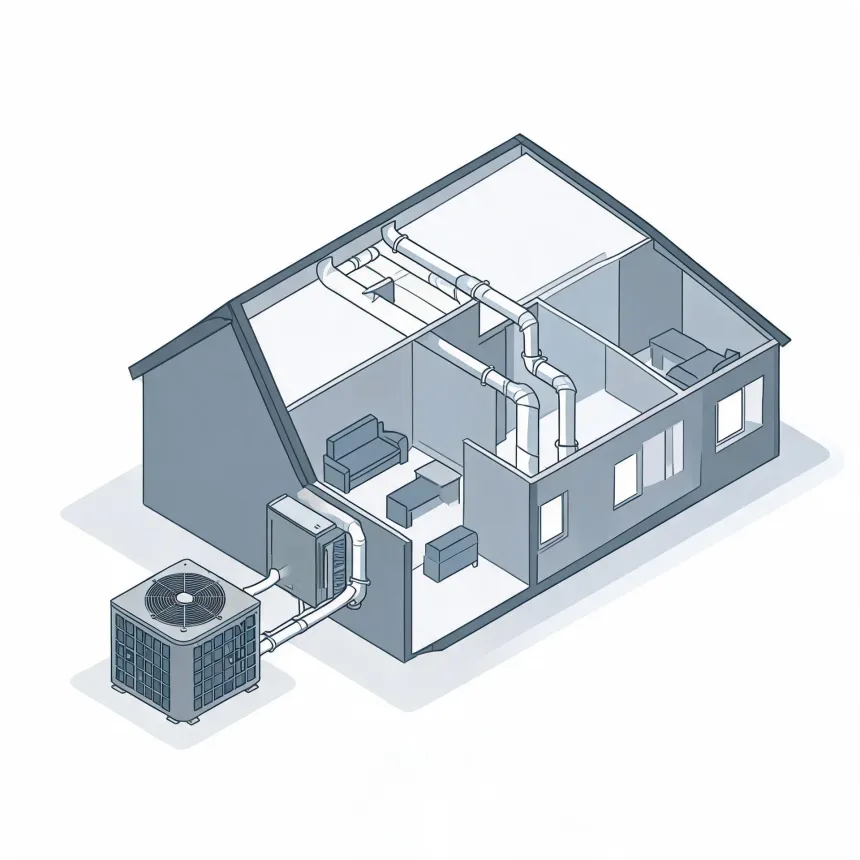
Your AC in Huntington only runs June through August, with afternoons averaging around 82°F. That's a short stretch for a cooling system to carry. It isn't the kind of heat load that wears a unit down early.

Takes about a minute. No obligation.
Your AC in Huntington only runs June through August, with afternoons averaging around 82°F. That's a short stretch for a cooling system to carry. It isn't the kind of heat load that wears a unit down early.
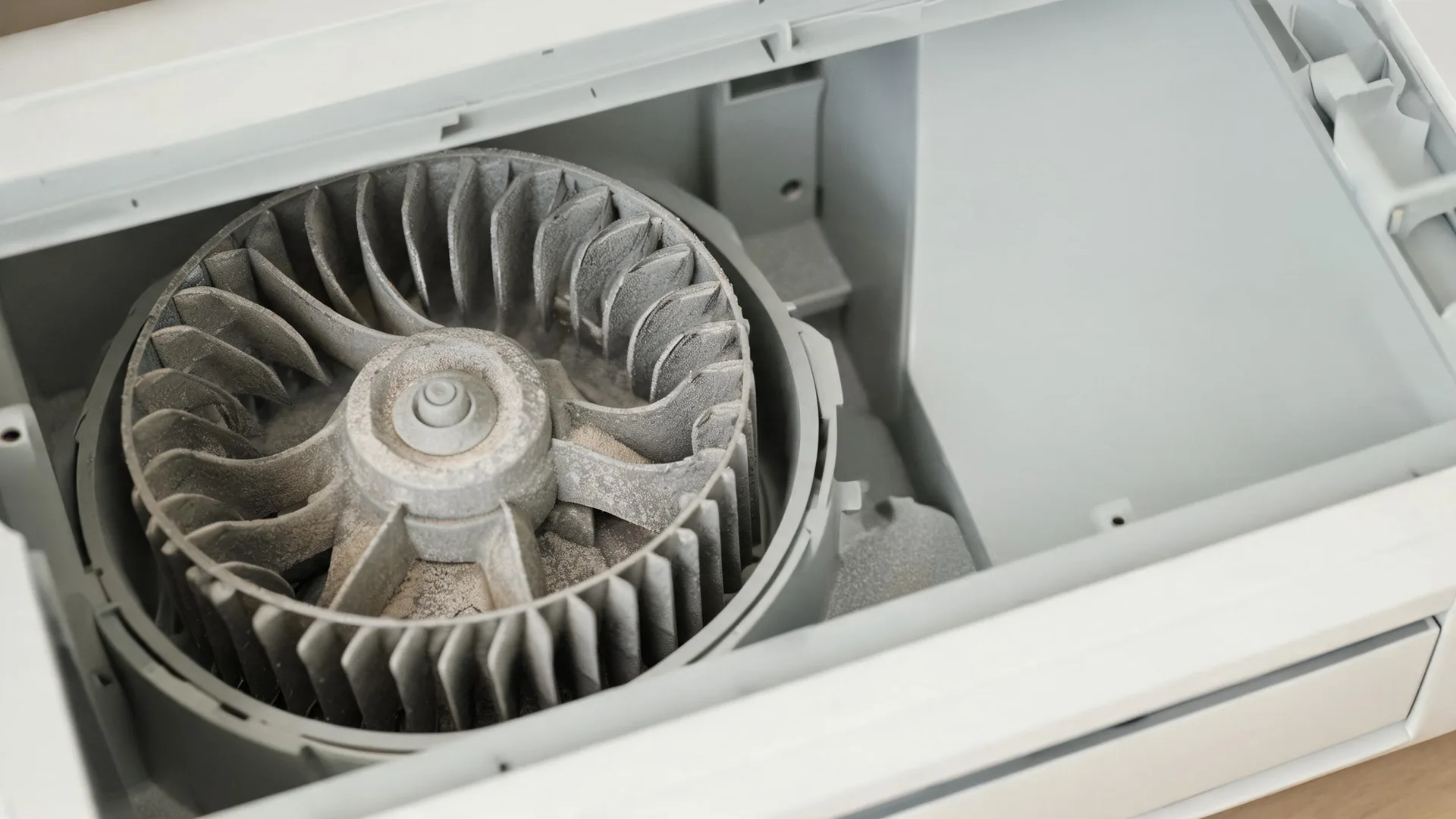
When a unit here breaks down, it's usually a weak capacitor, a low charge, a dirty coil or a clogged filter, the same problems any AC runs into anywhere. Nothing about Huntington points to a stranger explanation. Once a tech finds the actual part at fault, the fix is likely straightforward.
NOAA nClimDiv, 1991–2020 normals
A struggling compressor still tries to run even after the capacitor weakens.
Keep the unit going in that state and the compressor itself can burn out.



Electricity in Indiana ran 14.77 cents per kilowatthour in 2024. A struggling capacitor or a dirty coil makes the compressor work harder to do the same job, and that shows up on the bill before it shows up as a breakdown. That's one more reason to get a weak part looked at instead of letting the system push through on its own. The fix itself doesn't cost more here than anywhere else. It's the running cost of ignoring it that adds up.
Huntington County sees its share of wind and hail, and most homes lose power at some point during a bad storm. None of that is what's wearing on your AC right now. A unit that's acting up in weather like this almost always comes down to the same handful of parts. Get the actual cause found and it's usually a straightforward fix.
Find a contractorAn AC unit that runs only part of the year still logs real hours once summer sets in, usually with the compressor cycling on and off for hours at a stretch on the hottest afternoons. That's when strain shows up. A system that was quiet in the morning and starts short cycling, shutting off after a few minutes and kicking back on, is telling you the compressor is struggling or the refrigerant charge is off. Warm air from the vents when the thermostat is set low usually points the same direction. Ice on the outdoor line or the indoor coil means airflow or charge is wrong, and running it that way only makes the coil colder and the problem worse. A hard clicking at startup that doesn't resolve into a steady hum is often the capacitor failing to push the compressor into motion. None of these fix themselves by running the system less. They tend to get louder or more frequent until the part gets replaced.
Pull the filter and hold it up to a light. If you can't see through it, that's likely choking the airflow and making the whole system work harder than it should. Also check the thermostat is set to cool and the batteries aren't dead. Both take a minute and both are common enough causes that they're worth ruling out before anything else.
Look at the breaker panel for anything tripped, and check that the outdoor unit is actually running, the fan turning and air moving across the coil. If the outdoor fan is silent but the indoor blower runs, that points to the compressor or capacitor, not something you can fix yourself. At that point it's worth calling someone rather than letting it run that way.
Estimates for a typical Huntington County home, compared with an older unit built to the previous federal minimum, from EIA household energy data, Indiana fuel prices and NOAA climate normals. Your home will differ.
Repair makes sense when a part like a capacitor or contactor has failed.
Replacement makes sense when the compressor has failed or the system uses R-22 refrigerant, which is no longer made.
A diagnostic visit starts before any panel comes off. The tech runs the system and watches it work, checking what's coming out of the vents and listening to the outdoor unit. Gauges go on the lines to check the refrigerant charge, since too little or too much both point somewhere specific. The capacitor gets tested under load, not just looked at, because a weak one can still limp along until it's asked to do real work. The coil and filter get checked for airflow, since a system starved for air strains no matter what else is right. Once the tech finds the part actually causing the trouble, the rest of what looked like problems usually turns out fine.