This county gets hit
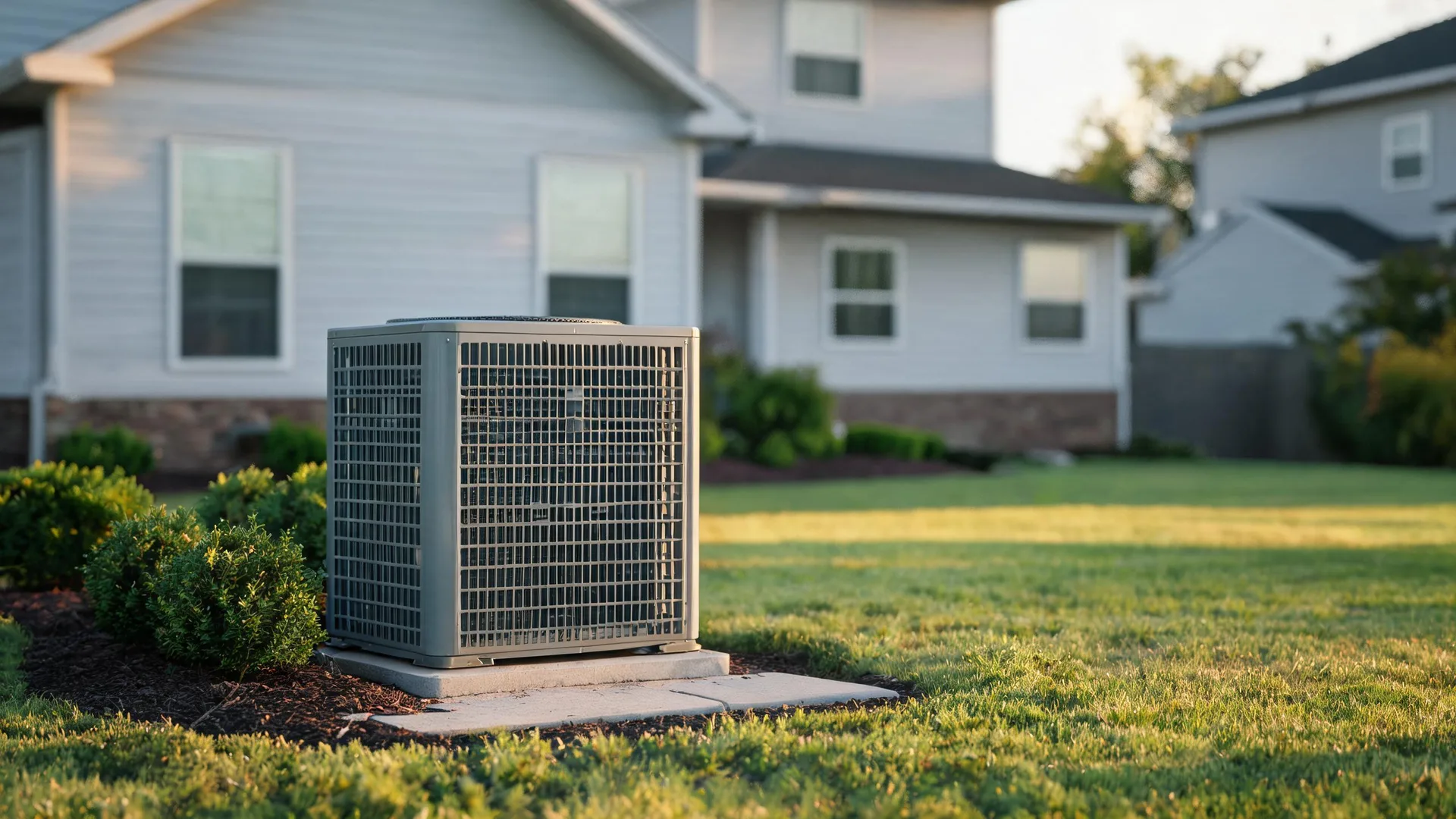
St. Joseph County recorded 233 severe weather events between 2015 and 2024, including 159 damaging wind events, 51 hail events and 8 tornadoes. An outdoor AC unit sits outside through all of it.
Takes about a minute. No obligation.
St. Joseph County recorded 233 severe weather events between 2015 and 2024, including 159 damaging wind events, 51 hail events and 8 tornadoes. An outdoor AC unit sits outside through all of it.
Hail dents the fins and wind throws branches and debris into the cabinet. None of that shows up as a breakdown right away. A unit that took a hit last storm season can still run, just not the way it did before.

NOAA nClimDiv, 1991–2020 normals
Cooling runs June through August here, and June is already full heat.
Get the AC checked in May, before the first hot stretch asks something of it.



Half the homes in St. Joseph County were built in 1968 or earlier. If yours is one of them, there's no way to know how many AC units have come and gone before this one, or what shape the ductwork and electrical behind it are in. A yearly check doesn't fix that history, but it catches what the house is doing to this year's equipment before it turns into a breakdown. That matters more in a home that's had sixty-some years to settle and shift than in one built five years ago. Get it looked at annually, especially if you don't know when the system was last replaced.
A unit that rode out this year's storms can still have a dented coil or a cabinet full of debris from the last straight-line wind. Have it checked before the next one adds to it.
Find a contractor
The filter is the first thing in the airstream, and it's the cheapest part to deal with. A clogged one starves the system of air. The blower has to work harder to pull air through it, the evaporator coil gets less airflow than it needs, and a coil that doesn't get enough airflow can frost over instead of just getting cold. Once that happens, the unit is blowing warm air and running the whole time it does it. The outdoor coil has the opposite problem. It sits outside and collects whatever's in the air around it, dust, cottonwood, cut grass, and a coil caked in that stuff can't shed heat the way it's supposed to. The compressor ends up working against its own radiator. The drain is the part nobody thinks about until it backs up. Condensate has to go somewhere, and the line it travels through grows algae like any damp, dark tube does. A clogged drain backs water up into the pan under the coil, and from there it finds the nearest way out, usually down through the ceiling below it. None of these three failures announce themselves. The system keeps running right up until it doesn't, or until the water damage is already done.
A homeowner can swap or rinse the air filter on a regular basis and keep plants, mulch and anything stacked against the outdoor cabinet pulled back a foot or two. Both of those just keep air moving where it needs to. Anything past that, popping panels, touching the fan or the coil, working inside the electrical box, is a job for someone with gauges and the training to use them.
Between visits, the useful thing is noticing. A new sound, a smell when it starts up, water near the indoor unit, ice on the copper line, the system running longer than it used to. None of that tells you what's wrong, but it tells you something's worth a call before it gets worse. Catching the change early is the part that's actually in the homeowner's hands.
A tune-up checks the refrigerant charge, cleans the coils, tests the capacitor and tightens the electrical connections.
A tune-up starts with the refrigerant charge, checked against what the system actually calls for. Too little and the compressor runs long and still can't pull the house down to temperature. Too much and it can flood the compressor with liquid refrigerant that it was never built to handle. The tech also checks the electrical side: contactors pitted from years of arcing, a capacitor that's weakened and can't give the compressor and fan motor the jolt they need to start. A weak capacitor shows up as a unit that hums and doesn't start, then trips off on its own protection. The coils get cleaned, both of them, so they can actually transfer heat the way they're designed to. Fan motor, blower wheel, the safety switches that shut the system down before something gets damaged, all of that gets checked while the cabinet is open. None of it fixes a problem that isn't there yet. It finds the part that's drifted out of spec before it takes something bigger down with it.