
Heat pump making a loud noise in Muncie, IN
A loud noise from your heat pump usually points to one of a few things. A rattle often means a loose panel or something caught in the outdoor unit. A buzzing sound can mean an electrical problem, like a failing contactor or a capacitor going bad. Grinding or squealing points to a fan motor or bearings wearing out. A banging or clanking noise, especially when the system starts or stops, can mean a part inside the compressor has come loose. In winter here, you might also hear a louder whoosh during defrost, which is normal, but a harsh or grinding sound during that cycle is not. Some of these are minor. Others, especially anything electrical or coming from the compressor, can turn into a full breakdown if left alone through a cold Delaware County winter. Worth having someone who works on heat pumps regularly take a listen before it gets worse.
Why does your heat pump work this hard in Delaware County?
Winter nights average 22°F
Winter nights average 22°F here, so the outdoor unit runs long defrost cycles that put real strain on the fan motor and reversing valve.
Heat runs October through May
Heat runs October through May, about eight months a year, which means more hours for a loose part or worn bearing to turn into a noise you notice.
Cooling runs June through August
Cooling runs June through August, so the unit gets little rest before it switches back to heating, and problems don't get much of a break to show up on their own.
NOAA nClimDiv 1991-2020
A noise that can wait
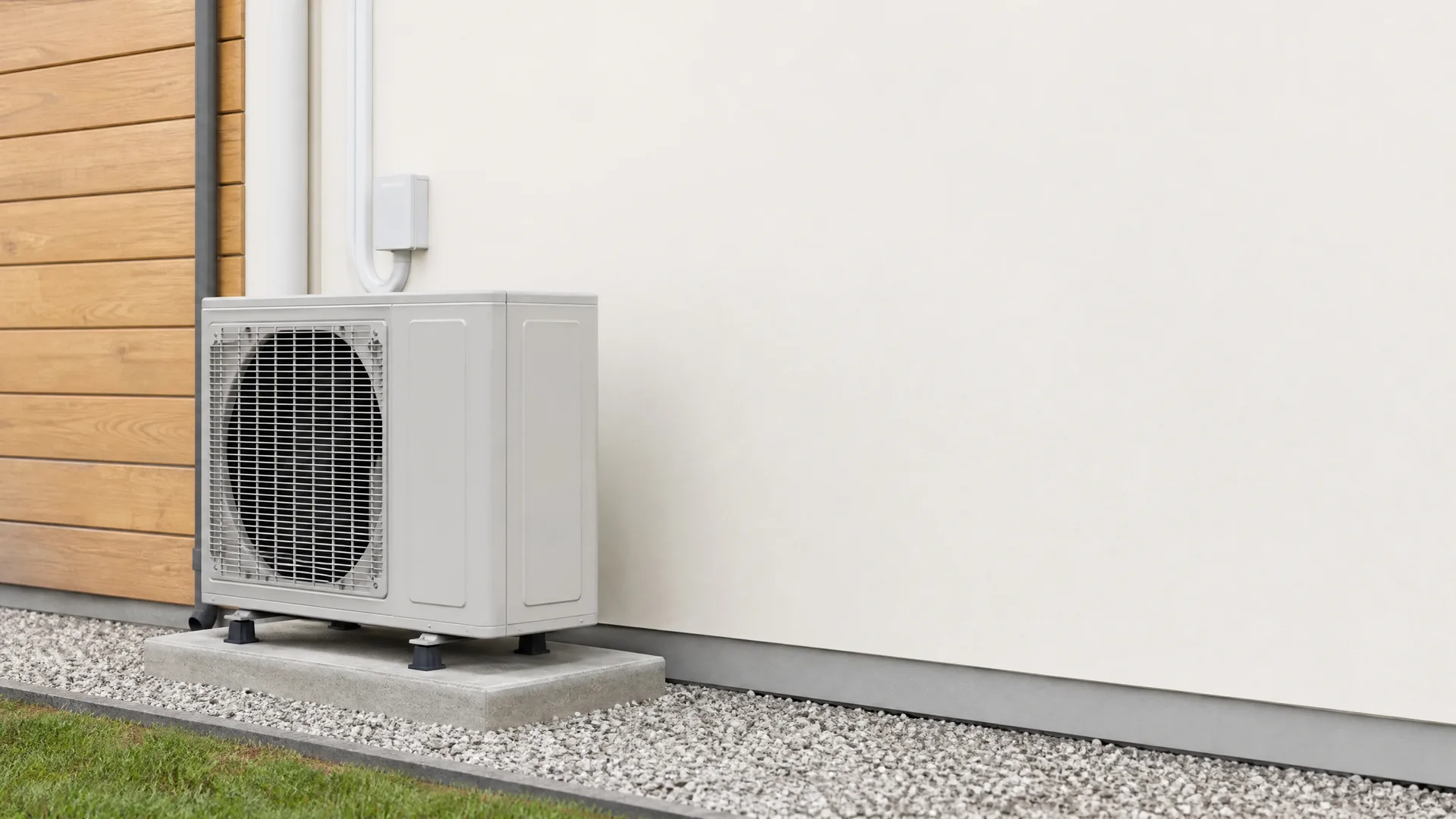
A faint click when the unit switches to defrost is normal. So is a whoosh of air at startup or a brief hum from the contactor. If the sound is steady, low, and the system is heating your house the way it should, you can watch it for a day or two. Write down when it happens and what the unit is doing at the time, like defrost or just kicking on. That detail helps a technician find the cause faster when they do look at it.
A noise that can't
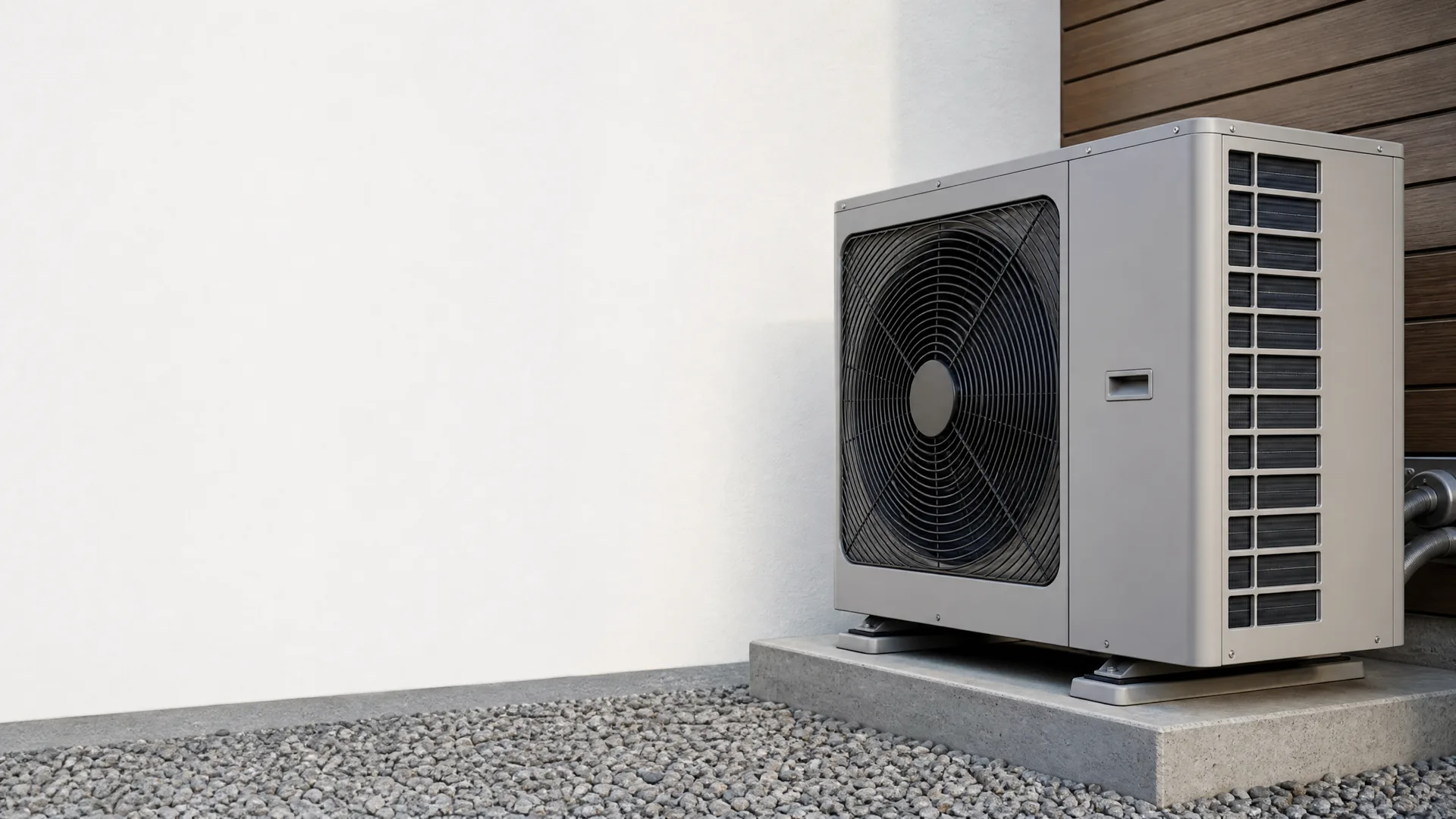
A metal-on-metal grinding, a loud bang when the compressor kicks on, or a screech that gets worse means something is already failing. The fan motor bearings, the compressor, or the reversing valve can fail outright if the unit keeps running this way. In a Muncie winter, a heat pump that quits outright leaves you without heat on a night near 22°F. That's not a noise to sit with until spring.

A noise today, a bigger repair this winter
A grinding fan motor or a failing reversing valve does not get quieter on its own. It gets louder, then it stops working, usually on one of the cold nights when you need the heat pump most. In Delaware County that can mean a cold house for a few days while you wait on a repair, and with power costs what they are here, a backup heat source running longer than it should adds up fast.
If you've had the same heat pump for years, the person who should look at it is someone who works on these systems all winter in this area and knows what tends to fail in them after a few Indiana winters. A local contractor who hears what the noise sounds like and when it happens can usually tell you a lot before ever touching the unit. Getting matched with one means a single contractor calling you back, not a string of strangers.





Get matched with a heat pump pro in Delaware County

A licensed pro who repairs heat pumps in Delaware County gets your request.
No charge to send it. You decide if you hire them.
Why the outdoor unit works so hard
A heat pump moves heat from outside air into your house, even when that air is cold. Below freezing, it has to run longer to pull out the same amount of heat, and the outdoor coil picks up frost. The defrost cycle clears that frost by briefly reversing the system, and that's when you'll hear a change in sound, a shift in the fan, a surge from the compressor. That part is normal. The strain shows up in the parts that carry the load every time it happens: the fan motor bearings, the reversing valve, the contactor switching the compressor on and off through months of cold starts.
What a stressed part sounds like
A fan motor with worn bearings doesn't fail quietly. It starts as a faint grind or squeal, usually when the fan first kicks on, and gets louder over days or weeks as the bearing wears further. A reversing valve that's sticking can bang or buzz when it shifts for defrost, since it's forcing refrigerant through a path that isn't opening clean. Both parts are built to handle the switching a heat pump does all winter, and both show their wear in sound before they show it in a loss of heat. Catching that sound early is what keeps it from becoming the second.


What to do about the noise
- A loud noise from your heat pump is a sign to get it looked at, not a reason to shut it off and wait out the winter.
- Rattling, buzzing, and grinding each point to a different part, and a contractor can narrow it down fast once they hear it.
- A technician who works on heat pumps around Delaware County all winter has seen which parts fail first in cold like this.
- Matching you with one licensed local contractor means a single call back, not a run of sales pitches from companies you don't know.
- The part that is struggling now is the part that quits on the coldest night, so the sooner it gets checked, the fewer surprises later.
- You know the heat pump; you don't have to know which part is at fault to get it fixed.
A heat pump that starts rattling, buzzing, or grinding is telling you something specific. The sound itself is not the problem. It is a symptom of a loose panel, a failing contactor, a bad capacitor, or a fan motor that is wearing out, and which one it is matters less right now than getting someone out to listen to it. Delaware County winters run cold enough that the outdoor unit is already working through long defrost cycles most nights from October through May. A part that is struggling under that load does not improve. It gets worse, usually fast, and often on a night when the temperature outside is the reason you need the heat pump working in the first place.
You do not need to diagnose it yourself. You need someone who already knows what a heat pump sounds like when something is going wrong, because they have heard it before, often in a unit just like yours, in weather just like this. A contractor who services heat pumps in this area through the whole winter has a sense for which part tends to fail first once the cold sets in, and that experience is what shortens the visit from guesswork to a fix.
When you request service through this page, you get matched with one licensed local contractor, not a handful of companies competing for your callback. That contractor reaches out to you directly. One call, from someone who knows this equipment and this climate, is what gets the noise looked at before it becomes a bigger repair.





Find a heat pump repair pro in Delaware County
The pro who gets in touch is licensed in Indiana and works in Delaware County.
There's no charge for the request.