 Request a pro
Why your AC is making a loud noise in Indiana
Tell a local repair pro what your air conditioner is doing.
A loud noise from your AC on a muggy Indiana afternoon usually means something inside has come loose, worn out, or started failing. A screech points one way, a bang or rattle points another, and the part behind it is usually one you can narrow down once you know what to listen for.
But a noise like that is also your system telling you it's working harder than it should, right when you need it most. Indiana summers don't give a unit much of a break, and a problem that starts as a noise doesn't usually stay just a noise.
Figuring out which part is failing from the sound alone only gets you so far. The next step is getting someone who works on these systems through an Indiana summer, season after season, to actually look at what's making the noise and tell you what it will take to fix it.
That's what happens when you request service here. You get matched with a licensed contractor local to your area, someone who already knows the kinds of failures that show up in AC units around here and has likely heard this exact noise before. It's one contractor reaching out to you directly, not a handful of companies competing for your attention. They'll ask about the sound, when it happens, and what your system is doing when you hear it, then take it from there.
Below, you'll find the common causes behind the specific kind of noise you're hearing, what each one usually means for your system, and what tends to happen if it's left alone. Read through it to get a sense of what you're dealing with. When you're ready for someone to look at it directly, the request takes a minute to fill out.
A loud noise from your AC usually has a straightforward cause. A high pitched squeal often comes from a worn blower motor bearing or a belt that has slipped, though most home AC units in Indiana run belt-free, so a squeal more often points to the motor bearing itself. A bang or a hard clank when the unit starts usually means something has broken loose inside, a piece of the fan blade, a loose bolt, or a part that has worked itself free and is now hitting the housing. A rattle that comes and goes is often just a panel or screw that has vibrated loose and needs tightening. A grinding sound means metal is wearing against metal, usually in the motor, and running the unit while that continues can turn a minor repair into a bigger one. With Indiana summers running hot and sticky for months at a time, your AC runs long hours and the wear that causes these noises shows up sooner than it would on a unit that barely gets used. Whatever the sound, it is telling you something specific is wrong, not that the whole system is failing.


Every sound your AC makes traces back to one part doing something it shouldn't. A bang when the compressor starts is metal hitting metal inside the compressor shell, usually a pin or rod that has already broken. Rattling that follows the blower on and off is almost always something physical, a bent blade or trapped debris, knocking against the housing with each rotation. Clicking at startup or shutoff comes from the electrical side, where a relay or contactor is sticking instead of switching cleanly. Hissing is refrigerant, not air, working its way out through a crack or loose fitting in the line near the coil. A hum without airflow means the compressor is getting power and trying to start but can't, which points to a failed capacitor. Grinding is a bearing wearing down, and running the unit less won't slow that down. Each sound narrows the problem to a specific part before anyone opens the cabinet.
What the Noise Is Telling You
- A bang when the compressor kicks on usually means a loose piston pin or a connecting rod has failed inside the compressor itself.
- Rattling that comes and goes with the blower points to a bent fan blade or a piece of debris caught in the blower wheel.
- A clicking sound right as the unit starts or stops often traces back to a failing relay or contactor in the outdoor unit.
- Hissing near the indoor coil usually means refrigerant escaping through a leak in the line, not air moving through the ducts.
- A low hum with no air coming from the vents can mean the compressor is trying to start but the capacitor behind it has failed.
- Grinding that gets louder over a few days is often a motor bearing wearing out, and it will not fix itself by running less.


Matched to your air conditioner job
A noise that started this week and gets worse every time the compressor cycles on is not something to wait out through another sticky Indiana stretch. Left alone, a loose part usually works itself looser, and what starts as a rattle can end with the compressor itself damaged. Figuring out which part is making that sound from the outside is hard even for someone who knows AC units, because half the noises above sound alike through a cabinet. A contractor who works on these systems all summer in your area has heard the difference between a bent fan blade and a failing motor bearing often enough to know which one you're dealing with before the panel comes off. That matters more than finding just anyone nearby, since the one who gets this call is local to you and familiar with what tends to fail on units like yours. Getting that match started now means someone who knows the sound is already headed your way.
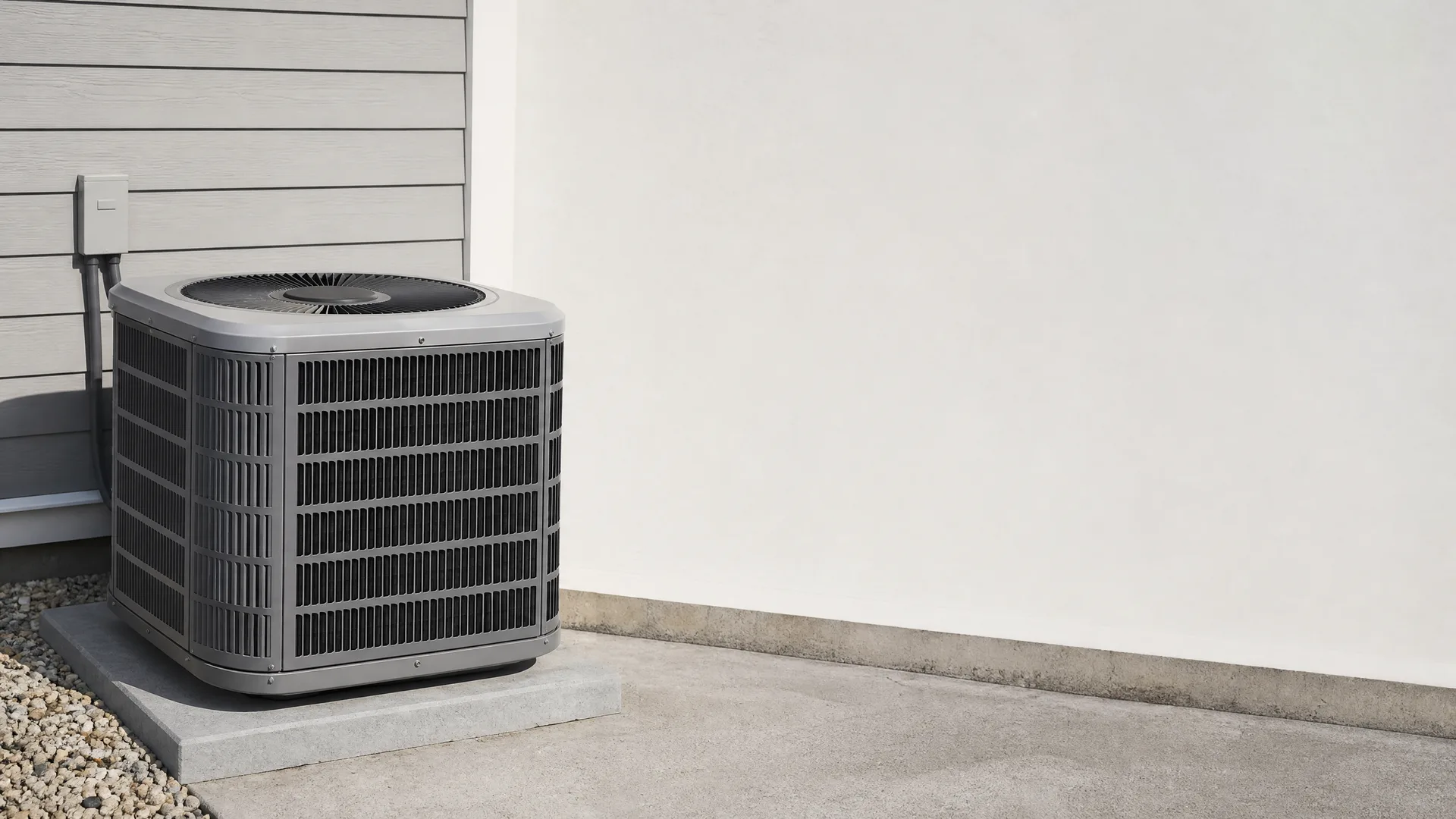
Grinding usually means the motor
A grinding noise is different from a rattle or a squeal. It points to a motor bearing that has worn down enough that metal is contacting metal. Once a bearing gets to this point it does not quiet down on its own, and running the unit longer just adds wear to the shaft and the motor housing around it. The noise usually gets louder over hours or days, not weeks.
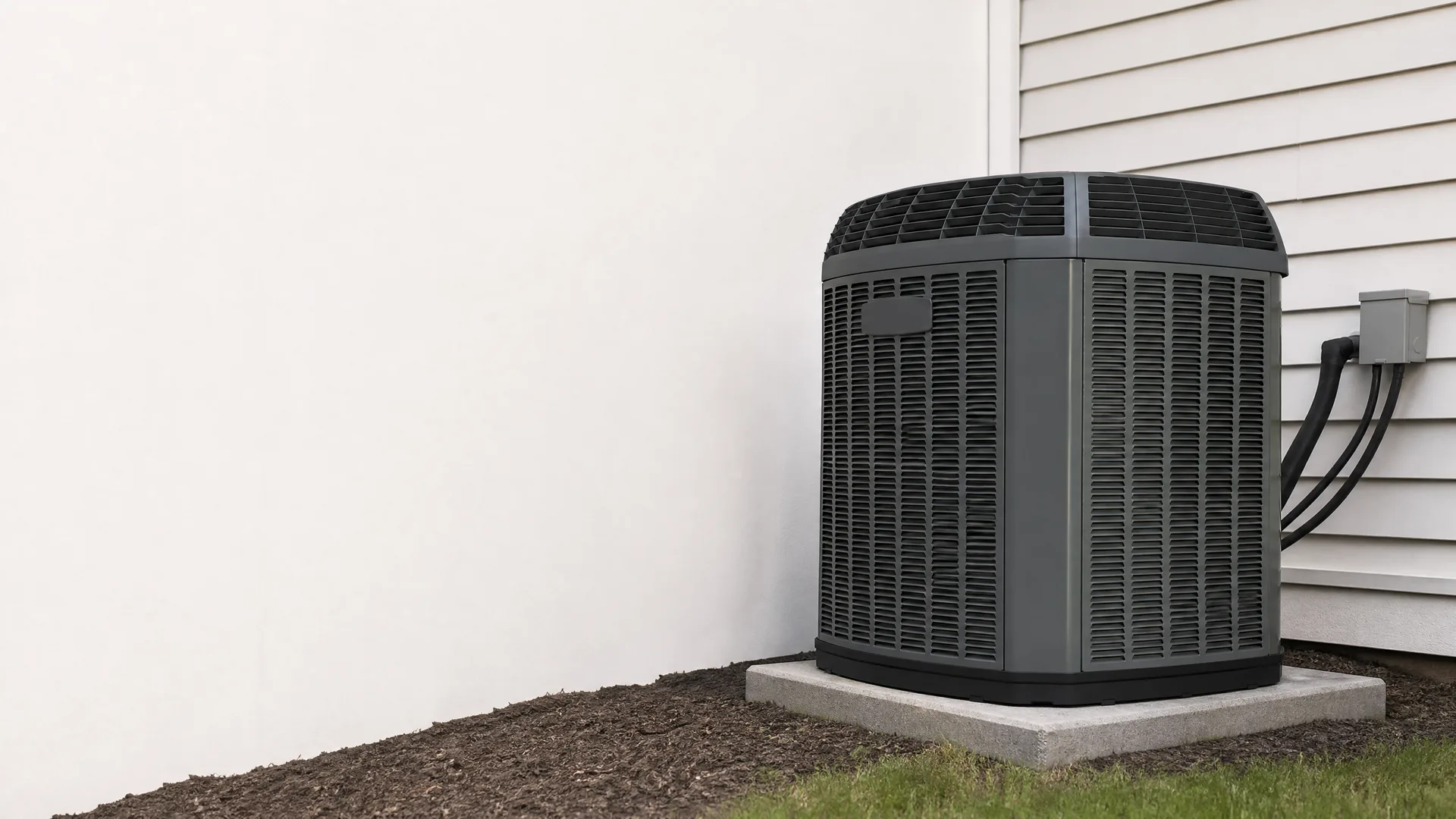
A hum with no airflow
If the outdoor unit hums but the fan is not turning, the capacitor has likely failed or the fan motor has seized. The hum is the motor trying to start without the jolt the capacitor is supposed to give it. Left running like this, the motor draws current without doing any work, and that heat buildup is what burns out a motor that otherwise would have kept running for years.
Why does my AC make a clicking noise when it turns on or off?
A click or two when the system starts up or shuts off is easy to hear in a quiet house, especially once you've already noticed other noises from the unit. You want to know if this one is normal or if it belongs on the same list as the squeal or the bang.
A single click at startup and shutoff is normal. Repeated or loud clicking is not.
Every AC clicks once when the thermostat calls for cooling and once when it shuts off. That's the relay closing to send power to the compressor and blower, then opening again. One click each way is just the system switching on and off, nothing to worry about. Rapid clicking, or a click followed by the unit failing to start, points to a different problem. That usually means the contactor, the switch that sends power to the compressor, has worn or pitted contacts and is struggling to make a clean connection. A failing capacitor can cause the same thing, with the compressor trying to start and stalling. Either one will get worse through an Indiana summer of constant cycling, and a unit that won't start at all on a 90 degree day is the end result.

Indiana summers carry a dew point around 64°F on average across June, July and August, a figure from NOAA climate data. That kind of moisture load keeps your AC's compressor running long stretches just to pull the water out of the air before it can even cool it. A system already working loose parts or a worn bearing has to work harder still on a day like that, and that's usually when a noise that was faint in May turns into something you can hear from the next room. If the sound only shows up or gets worse on the muggiest afternoons, that's the compressor under load, not a coincidence.
NASA POWER T2MDEW county cells weighted by homes
What are you noticing around the house right now
You probably heard it before you thought much about it. A squeal every time the system kicks on. A bang from outside near the compressor. Maybe the sound changes room to room, louder near a vent, or it only happens when the blower ramps up. Some households notice the air feels less cold than it did last week, or that a room upstairs stays warm while the noise keeps going downstairs. If the sound has been there a few days and you've started turning up the volume on the TV to talk over it, that's worth paying attention to. A noise that keeps running is a part that keeps wearing, and in a sticky Indiana summer, a system that fails outright leaves you without cooling until someone gets out to look at it.




Power costs 15.96 cents per kilowatt-hour statewide
At 15.96 cents per kilowatt-hour, a compressor that's working harder than it should shows up fast on your bill. A noisy AC is often one straining to keep up, and that strain costs you every hour it runs until the part causing it gets fixed.
EIA-861 2025 statewide residential average

A loud AC is telling you something specific
A squeal, a bang, a grinding sound, a click that doesn't sound right. Each one points to a different part, and by now you have a decent idea which one yours is making and what's likely behind it. That's the answer. What's left is getting someone to look at the unit itself and confirm it.
That part calls for someone who works on these systems through every sticky Indiana summer and has heard this exact noise come from this exact part more times than once. A local, licensed contractor matched to your situation can tell you in minutes what the sound confirms and what it will take to quiet it. You'll hear from one contractor, not a handful of them competing for your call.

An air conditioner pro near you