


Skip it this fall
The reversing valve and the charge go unchecked into winter. If the coil's already losing refrigerant, you won't know until the system can't keep up near 21°F.
Fill out one form instead of calling around for a heat pump tune-up.
Fill out one formA heat pump tune-up is a check of both sides of the system, the outdoor unit and the indoor coil, so it keeps working in both directions as the year turns. A tech checks the refrigerant charge, cleans the outdoor coil, tests the reversing valve that switches the unit between heating and cooling, and checks the defrost cycle that keeps the outdoor coil from icing over once Tippecanoe County's winter sets in. A heat pump asked to heat through a cold snap on a low charge or a coil caked with dirt has to run longer to do it, and in a system that's also carrying your summer cooling, that strain shows up twice a year instead of once. Most homes around Lafayette heat with gas and lean on the heat pump for cooling and mild-weather heat, so a tune-up timed before summer catches problems before the unit runs hardest. Catching a weak part now is the difference between a quick fix and a breakdown when you need the system most.
Winter nights average 21°F
Winter nights here average 21°F, and that's when a heat pump has to work hardest to pull any heat out of the air at all.
Heat runs October through May
Heat runs October through May here, so the system you've got is switched to heating mode most of the year, not cooling.
Cooling runs June through August
Cooling runs June through August here, the short stretch when the same unit reverses and works as your air conditioner.
NOAA nClimDiv 1991-2020
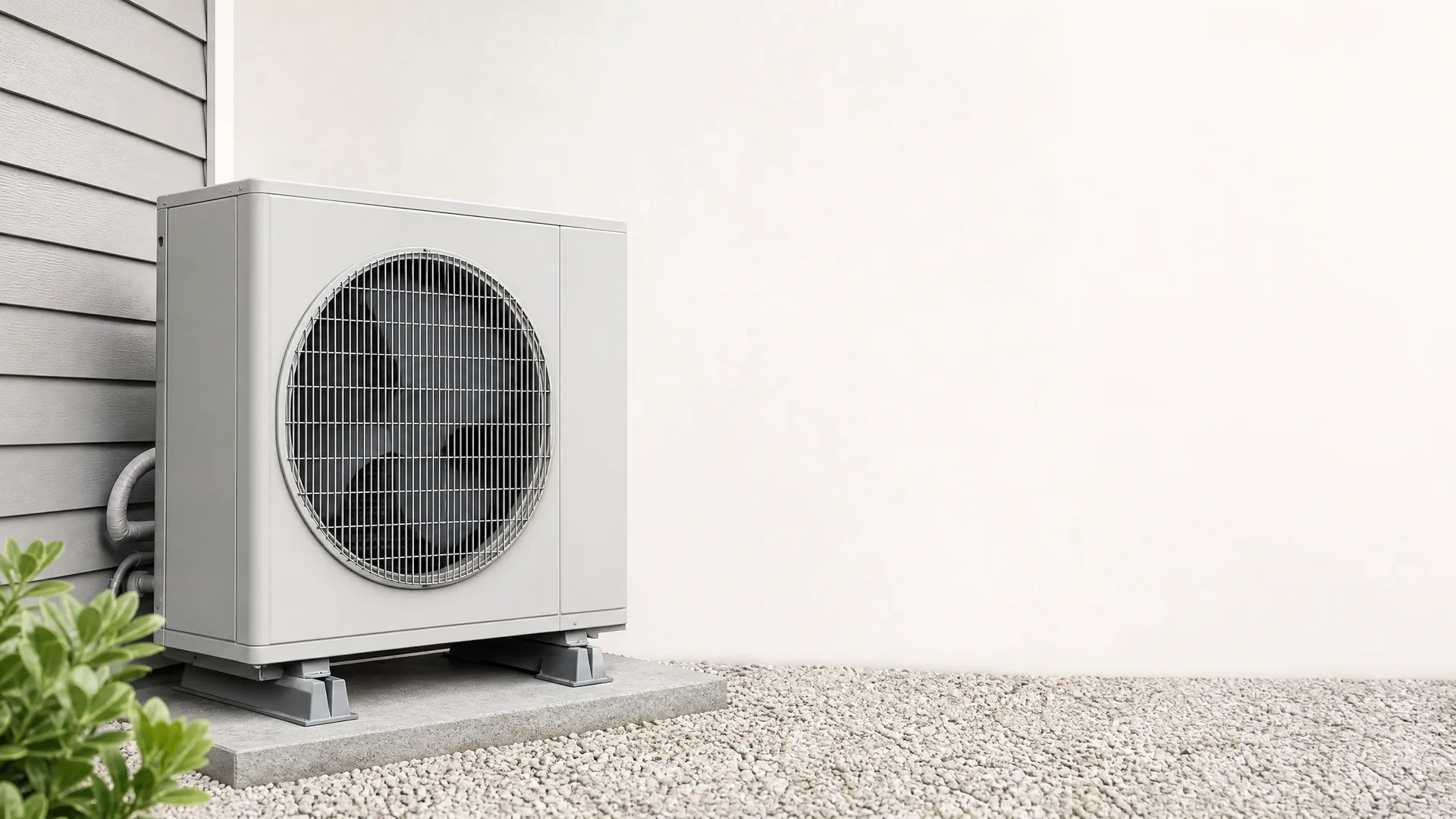
The reversing valve can stick after sitting idle. A low charge goes unnoticed until the coil freezes up on a January morning. The outdoor coil cakes with leaves and dirt over the summer and nobody looks at it until the unit is straining to pull heat out of 21°F air. By the time you notice, you're down to backup heat strips, and those cost more to run than the heat pump ever did.
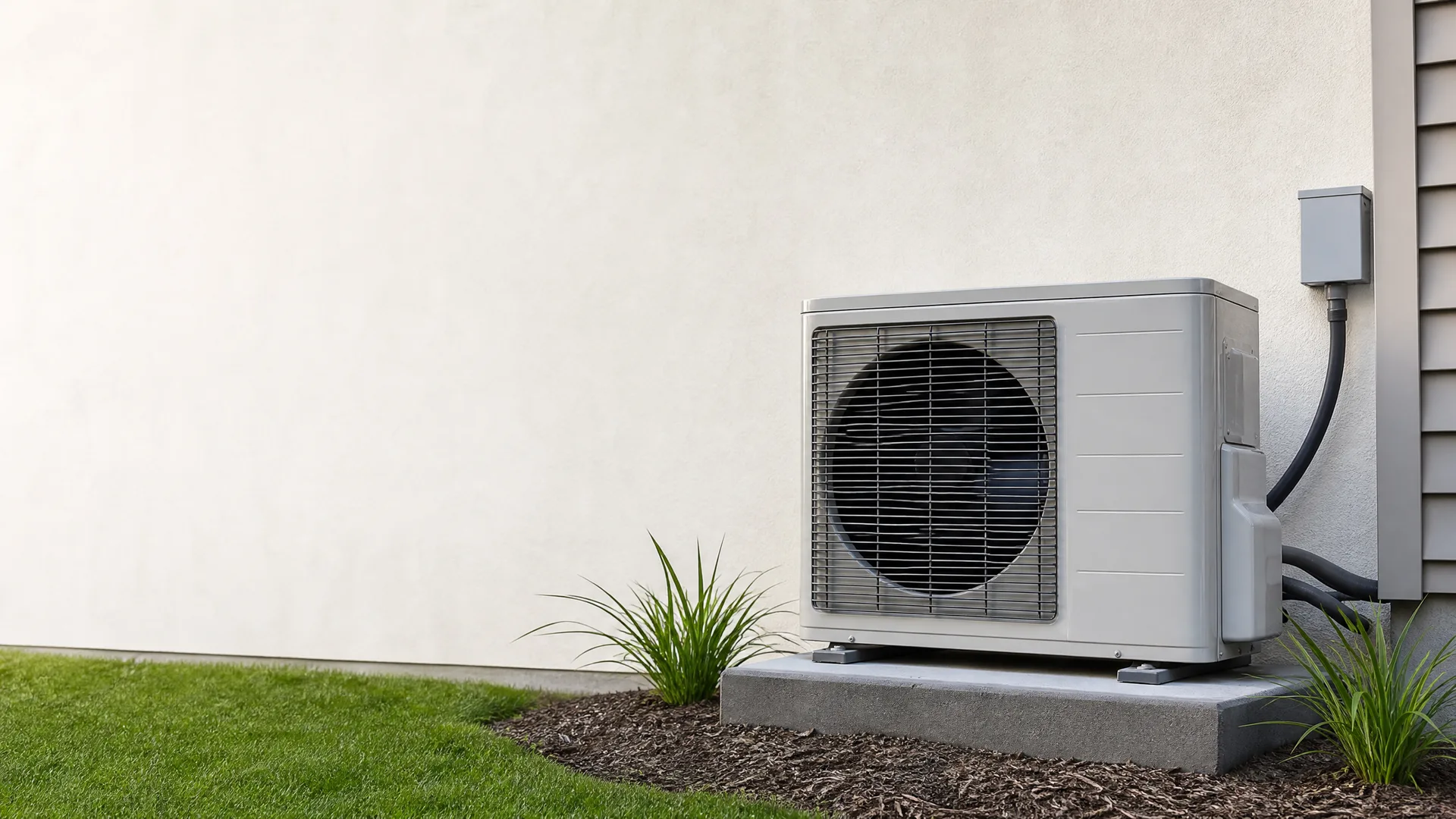
A tech who works on heat pumps all year in Tippecanoe County knows what usually gives out first here, because it's the same handful of parts every winter. Checking the charge, the coil and the valve before the cold sets in means the system switches over without a fight in October and keeps up when it's 21°F outside. You find a problem on a mild afternoon instead of a cold night, while there's still time to fix it without scrambling.
Listen for a hard clunk when the system switches from heating to defrost and back, or a hiss that wasn't there last winter. Check the outdoor unit for ice that doesn't melt off during the defrost cycle. Inside, a room that won't hold 68°F no matter where you set the thermostat often means the system is running but not pulling its weight. You might also notice the outdoor fan spinning slower than usual, or the air from the vents feeling barely warm. Left alone, a stuck reversing valve or a frozen coil forces the backup heat strip to carry more of the load, and that shows up on your power bill before it shows up as a breakdown.




A licensed local pro takes the request for your heat pump tune-up.
You only hire the pro if you want to.
The reversing valve is what makes a heat pump different from a plain air conditioner. It's a four-way valve that flips the direction of refrigerant flow, so the same outdoor unit that rejects heat in July pulls heat out of the cold air in January. It switches every time the system changes between heating and cooling, and it switches again every time a defrost cycle starts and stops. A valve that's run through thousands of those switches without being checked can start to stick halfway, which leaves the system blowing cool air during a heating call. A tech working on a heat pump tests this valve on purpose, not just the coils and charge.
In winter, moisture in the outside air lands on the cold outdoor coil and freezes there, the same way frost builds on a car windshield overnight. The heat pump handles this by running a defrost cycle: it briefly reverses into cooling mode, which pushes heat outside instead of in, melts the ice, then switches back. A defrost control board tells it when to start and stop this based on coil temperature and run time. If that sensor reads wrong, the unit can defrost too often and waste heat, or not often enough and ice over. Checking that control is part of a heat pump tune-up and not something a basic furnace or AC check-up covers.


Run it without a tune-up and the system is guessing all winter. A sticky reversing valve, a coil losing its grip on the charge, ice that lingers past the defrost cycle, all of it costs you heat on the nights you need it most, like one near 21°F.
Run it with a tune-up done and the valve has been checked, the charge confirmed, the coil cleaned so it transfers heat the way it's built to. The system switches between heating and cooling without a fight, because somebody looked at it before the cold asked it to work hard.


The reversing valve and the charge go unchecked into winter. If the coil's already losing refrigerant, you won't know until the system can't keep up near 21°F.
A tech local to Tippecanoe County checks the valve, the charge and both coils before the cold sets in, and tells you what's wearing before it fails.
At 15.37 cents per kilowatt-hour, every degree your heat pump struggles to pull from the cold air shows up on your bill. A weak charge or a dirty coil makes it run longer to hit the same temperature, and in a system that runs on electricity alone, that longer runtime is what you pay for.
EIA-861 2025
A heat pump tune-up answers one question: can this system switch over and pull heat on a night near 21°F without faltering. That's what the check is for. The reversing valve gets tested so it doesn't stick mid-cycle. The charge gets measured, because a system low on refrigerant works harder for less heat and that cost shows up on the electric bill all winter. Both coils get cleaned, inside and out, so the swing from cooling to heating doesn't start with a handicap.
Finding someone to do this work usually means a few calls, explaining the system twice, then sorting through quotes from companies you don't know. That part goes away here. You get matched with one contractor, licensed and local to Tippecanoe County, who works on heat pumps all season and has seen which part on a system like yours tends to go first when the weather turns. No flood of callbacks to sort through, just the one.
Skip the check and the valve and the charge get tested anyway, just later, and on the system's schedule instead of yours. That usually means the coldest morning of the year, when a stuck valve or a weak charge means heat that doesn't show up when you need it. Get it looked at now and that morning is just another morning. The system switches, the heat comes on, and you don't think about it again until spring.
The pro who gets in touch is licensed in Indiana and works in Tippecanoe County.