Is a heat pump enough for winter in Carmel, IN

Skip the round of in-home estimates for a new heat pump.

Start one form

A heat pump can carry your home through winter in Carmel, but on the coldest days it needs help. Hamilton County winters bring stretches well below freezing, and a heat pump pulls less heat out of that cold air the lower the temperature drops. Most heat pumps here pair with a gas furnace or electric backup that kicks in once the outdoor temperature falls too low for the heat pump to keep up on its own. Below somewhere around 30 to 35 degrees, that backup starts doing more of the work. If your system has backup heat set up correctly and sized for your home, you will stay warm through January the same as July. If it doesn't, you will notice it first in the coldest weeks, with the house struggling to hold its temperature or the backup running more than it should.

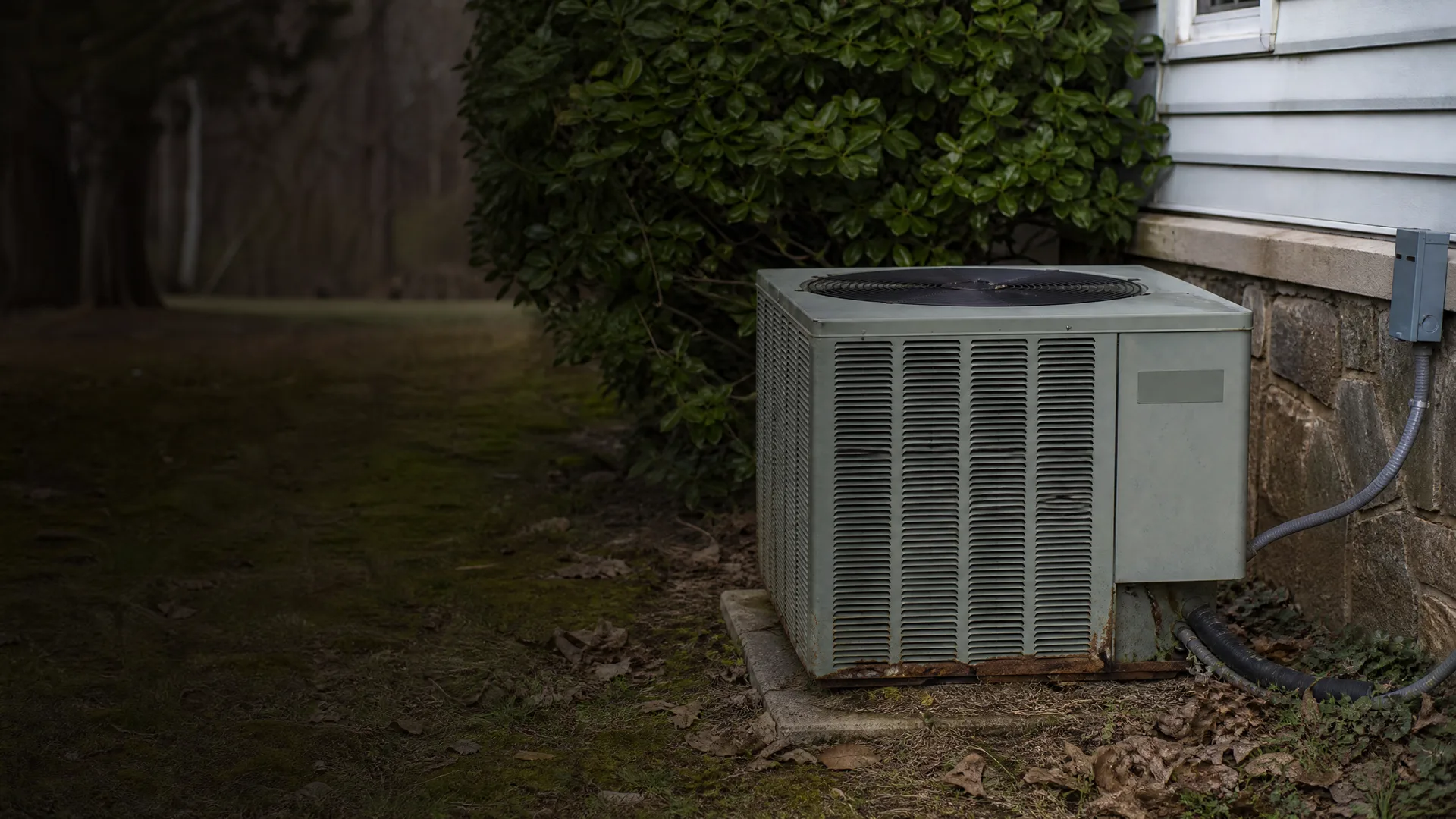
An outdoor air conditioner condenser unit sits on a concrete pad beside a house with stone foundation and light siding, next to a large evergreen shrub, with an electrical disconnect box and conduit on the wall.

You go out to check the unit after the first warm day in March, the kind that makes you think about the yard again. Rust has crept along the base of the outdoor unit, past the paint and into the metal itself, and the cabinet rattles a little when the fan kicks on. It got you through another Hamilton County winter, the cold snaps and all, but you noticed this year it ran longer than it used to, and the backup heat kicked in more than you remembered. Standing there in the thawed grass, you wonder how many more winters this one has in it, and whether it will make it through the next string of single-digit nights before it decides not to.


Can a heat pump handle how cold Carmel winters actually get?

  • Winter nights average 22°F

    Overnight lows averaging 22°F across December, January and February, from Hamilton County records, is cold enough that a heat pump alone struggles on the worst nights.

  • Heat runs October through May

    Heat runs October through May here, about eight months. That's most of the year asking a heat pump to work, not just a few cold snaps.

  • Cooling runs June through August

    Cooling only runs June through August, three months. A heat pump earns its keep most in winter here, not summer.

NOAA nClimDiv 1991-2020

How Your Heat Pump Handles Cold

  • Below about 35°F, a heat pump's refrigerant pulls less heat from outside air with each pass, so it runs longer to keep up.
  • A thermostat sensing a wide gap between the set temperature and the room calls for backup heat instead of waiting on the heat pump alone.
  • That backup is usually electric resistance coils in the air handler, which heat instantly but cost more to run than the heat pump itself.
  • Outdoors, the unit works through a defrost cycle, briefly reversing to melt frost off the coil before switching back to heating.
  • A heat pump sized to your home's heat loss, not just the square footage, keeps the backup coils from carrying the house on an average cold night.
  • The compressor and outdoor coil do the same job in January as they do in July, just running in reverse to move heat inside instead of out.

Your heat pump moves heat rather than making it, pulling warmth out of outside air even when that air is cold. The colder it gets, the less heat there is to pull, so the compressor runs longer to deliver the same warmth to your living room. Past a certain point, usually somewhere in the 30s, the thermostat notices the house isn't catching up and brings in backup heat to close the gap. In most systems that backup is a set of electric coils right in the air handler. They heat the air instantly, which is why the vents suddenly feel hotter, but they run on straight electric resistance, the most expensive way to heat a house. Outside, the unit has its own maintenance to do while all this happens. Cold, humid air leaves frost on the outdoor coil, and periodically the system reverses itself for a few minutes, pushing hot refrigerant outside to melt that frost before switching back to heating your home. You might notice steam rising off the unit during one of these cycles. None of this means the equipment is struggling to do its job. It means the job changes with the weather. A heat pump sized correctly for how much heat your house actually loses on a cold night, not just its square footage, leans on those backup coils less and keeps more of the work where it belongs, with the compressor and outdoor coil doing in January what they do in July, just running the other direction.

A woman with long wavy brown hair in a gray top and dark cardigan stands near a window, looking to the side, with a living room, fireplace and round mirror blurred behind her.
A woman with long brown hair in a cream knit sweater stands near a window, looking to the side, with a white sofa, shelving, and a hallway visible behind her.
A woman in a gray sweatshirt with her hair pinned up sits in a living room looking off to the side, with a pale sectional sofa, cushions, a potted plant, framed wall art and a large window behind her.
A woman with curly dark hair in a grey long-sleeved top sits on a grey couch with patterned cushions, looking off to the side in a softly lit living room.

Frost builds on the outdoor coil as the unit pulls heat from cold air, and every so often it has to stop and deal with that. The system reverses itself for a few minutes, sends warm refrigerant out to melt the frost, and the outdoor fan shuts off while it works. You might feel a draft of cool air inside during this, which is normal and passes once the coil is clear. As it gets colder, a two-stage or variable-speed compressor steps up to a higher stage and draws more power to hold the house at temperature. The reversing valve is what lets the system switch between heating and cooling in the first place, and if it sticks, the heat pump can't deliver heat at all. When the gap between the thermostat setting and the room gets too wide for the heat pump to close on its own, heat strips in the air handler switch on to help. Switching the thermostat to emergency heat bypasses the heat pump completely and runs on those strips alone, which keeps the house warm but costs more for the same result.

How your heat pump actually runs in winter

  • Defrost mode runs when frost builds on the outdoor coil, reversing the cycle for a few minutes to melt it off before switching back to heating.
  • While defrosting, the outdoor fan stops and the system briefly blows cool air inside, which can feel alarming if you don't know it's happening.
  • A two-stage or variable-speed compressor shifts to a higher stage as the temperature drops, drawing more power to keep the output steady.
  • The reversing valve is the part that switches the unit between heating and cooling, and a stuck valve can leave you with no heat at all.
  • Auxiliary heat strips sit in the air handler and kick in only when the heat pump alone can't close the gap to the set temperature.
  • A thermostat set to emergency heat skips the heat pump entirely and runs on backup only, which costs more to run for the same warmth.
A gray outdoor heat pump unit on a concrete pad beside a house with horizontal lap siding, with a conduit running to a wall-mounted disconnect box and a green shrub to the left.
A clean outdoor unit with clear airflow around it can pull heat from the air efficiently even as the temperature drops.
An outdoor air conditioning condenser unit on a concrete pad beside a house with horizontal siding above a brick foundation, with a flexible conduit running to a wall-mounted disconnect box.
Dust caked on the coil and years of weather on the cabinet make the unit work harder for less heat on a cold night.
A woman with her hair in a bun holds a sleeping child, both wrapped in a cream knitted blanket on a gray sofa, with a lit lamp, framed photos, and a window behind them.
An older woman in a gray turtleneck sweater smiles while looking to the side in a warmly lit kitchen, with a round loaf of bread and a striped cloth on the counter in front of her and a frost-covered window behind.

No quotes to chase

You already know what this winter looks like for your heat pump: it carries the house most days, backup heat kicks in on the hard nights, and somewhere along the way a wire or a coil or a defrost control decides it's done. When that happens, you don't want to be the one calling around Hamilton County asking who works on heat pumps, explaining the rattle or the rust or the ice buildup to three different people, then sitting on quotes trying to guess who actually knows this equipment. One request here goes to a contractor local to Carmel who services heat pumps all winter and has seen what usually goes wrong with yours. No flood of calls, no retelling the story. You check the unit, you notice the problem, you hand it off, and someone who already knows the cold this county gets takes it from there.

Most heat pumps installed today list a rated capacity down to around 5°F, with output dropping steadily as the air outside gets colder.

That rating is why backup heat exists in the first place. Below that point, the system is still running, just not doing the whole job by itself.

A gray outdoor air conditioning condenser unit on a concrete pad beside a house with light vinyl siding, with a gray electrical disconnect box and conduit on the wall to the right.
Before you get your heat pump installation
A gray outdoor condenser unit on a concrete pad beside a house with horizontal lap siding, with a wall-mounted disconnect box, conduit and insulated refrigerant lines, a shrub at left and gravel at right.
After you get your heat pump installation
A gray outdoor condenser unit sits on a concrete pad against a house wall with horizontal siding above a stone veneer base, with an electrical disconnect box and conduit on the wall and a leafy shrub in mulch to the left.

Running clean

This is a heat pump doing its job on a cold morning. The pad is level, the cabinet is clear of debris, and the disconnect box is intact. Airflow around the unit is open on all sides, so it pulls what heat it can from the outside air without extra strain.

An outdoor air conditioner condenser unit on a concrete pad beside a house with beige horizontal siding, with conduit running from an electrical box on the wall.

Struggling to keep up

This unit is working too hard for what it puts out. Grass and growth crowd the base, and the conduit and disconnect have seen better days. When airflow is blocked or the cabinet is in poor shape, the system draws on backup heat sooner and more often on a cold Hamilton County night.

Why does your house feel colder on certain winter nights

You notice it most around bedtime, when the air coming out of the vents feels cooler than usual and the thermostat shows a few degrees below what you set. The outdoor unit is running steady, maybe longer than you remember from last year, and every so often it pauses and blows something closer to room-temperature air instead of warm. You might hear the backup heat kick on with a different sound than the heat pump alone. None of that means something is wrong. It usually means the house has moved past what the heat pump can pull from the cold air by itself. If backup heat isn't coming on when it should, though, the house will keep losing ground on the coldest nights, and that's worth having looked at before it becomes the only heat you've got.

  1. The thermostat calls for heat and sends power to the heat pump.

  2. The reversing valve directs refrigerant to pull heat from outside air.

  3. The outdoor coil absorbs heat even from cold air.

  4. The compressor pressurizes the refrigerant, raising its temperature further.

Power here costs 14.96 cents per kilowatt-hour

At 14.96 cents a kilowatt-hour, running backup heat on the coldest nights costs more than the heat pump itself does. That's part of why sizing the system and the backup right matters so much here. Power priced about average for the country keeps the heat pump the cheaper choice most of the winter.

EIA-861 2025

A closed dark gray laptop and a ceramic mug on a wooden table in a kitchen, with a window, potted plant, bowl on a counter, and cutting boards near white cabinets in the background.

So, is a heat pump enough for a Carmel winter

A heat pump will carry your home most days from October through April. On the coldest nights, it needs backup heat to finish the job, and that's how the system was designed to work. What matters is whether yours is sized right, running clean, and switching to backup at the right point. A system that's falling behind on the wrong nights, or one with a coil caked in dust and a cabinet rusted at the base, won't give your household the steady warmth it needs when it's 15 degrees outside.

If you're not sure where yours stands, finding out shouldn't mean calling around to three or four companies, explaining the same problem each time, and sorting through quotes that don't match up. A licensed contractor working in Hamilton County sees this same setup, this same cold, every winter, and knows what to check first. One visit, one answer, and you know where you stand before the next cold snap hits.

A dark ceramic vase holding a leafy green branch sits on a round wooden table, with a blurred cushioned wooden armchair, woven basket, window and shelving with pottery in the background.
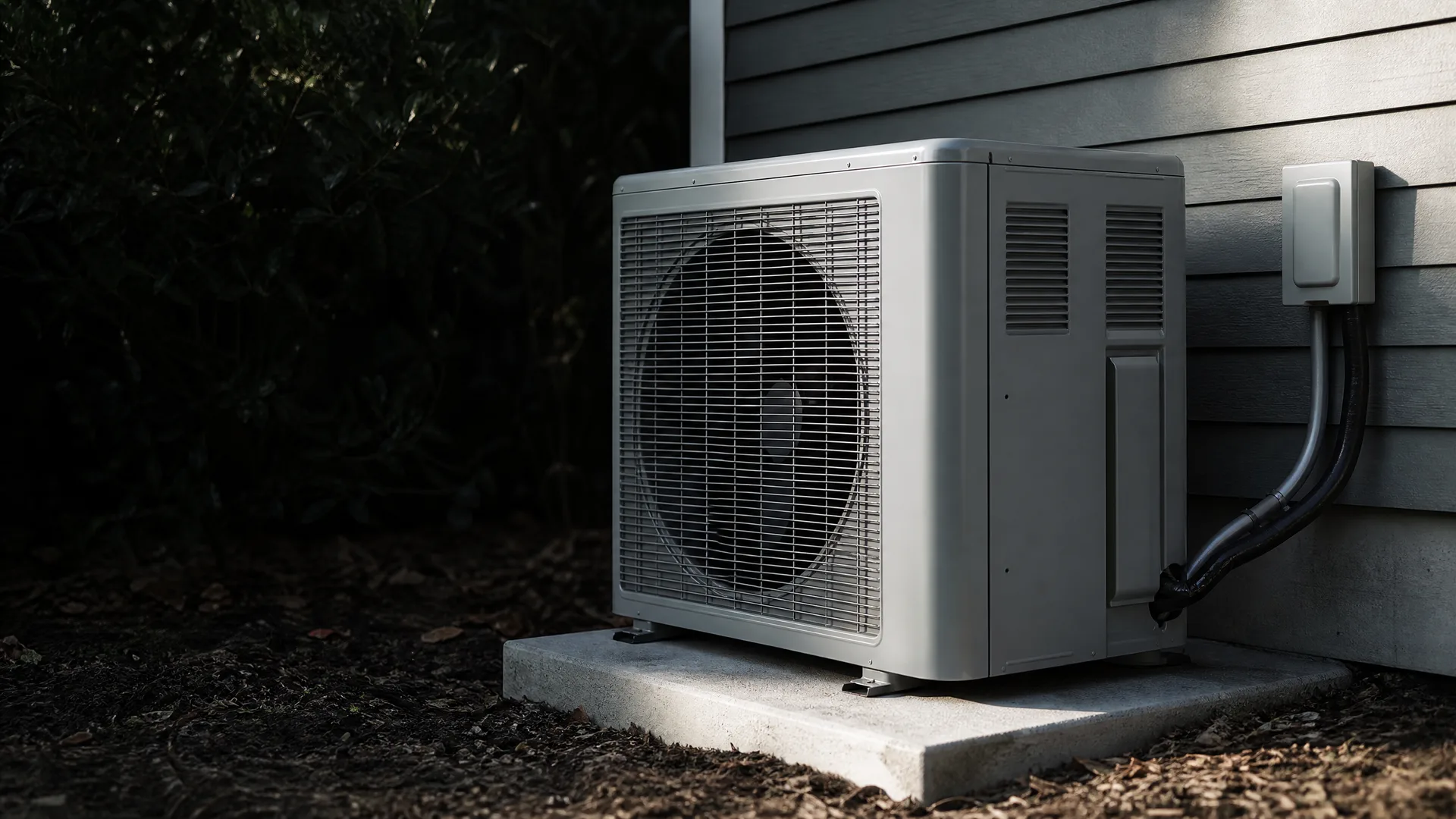
An outdoor air conditioning or heat pump condenser unit on a concrete pad beside a gray horizontal-sided house, with a disconnect box and conduit on the wall and dark shrubbery to the left.

No calling every shop in Hamilton County

New system or replacementHeat PumpHamilton County, IN
Step 1 of 2

What ZIP code is the job in?