
Running clean
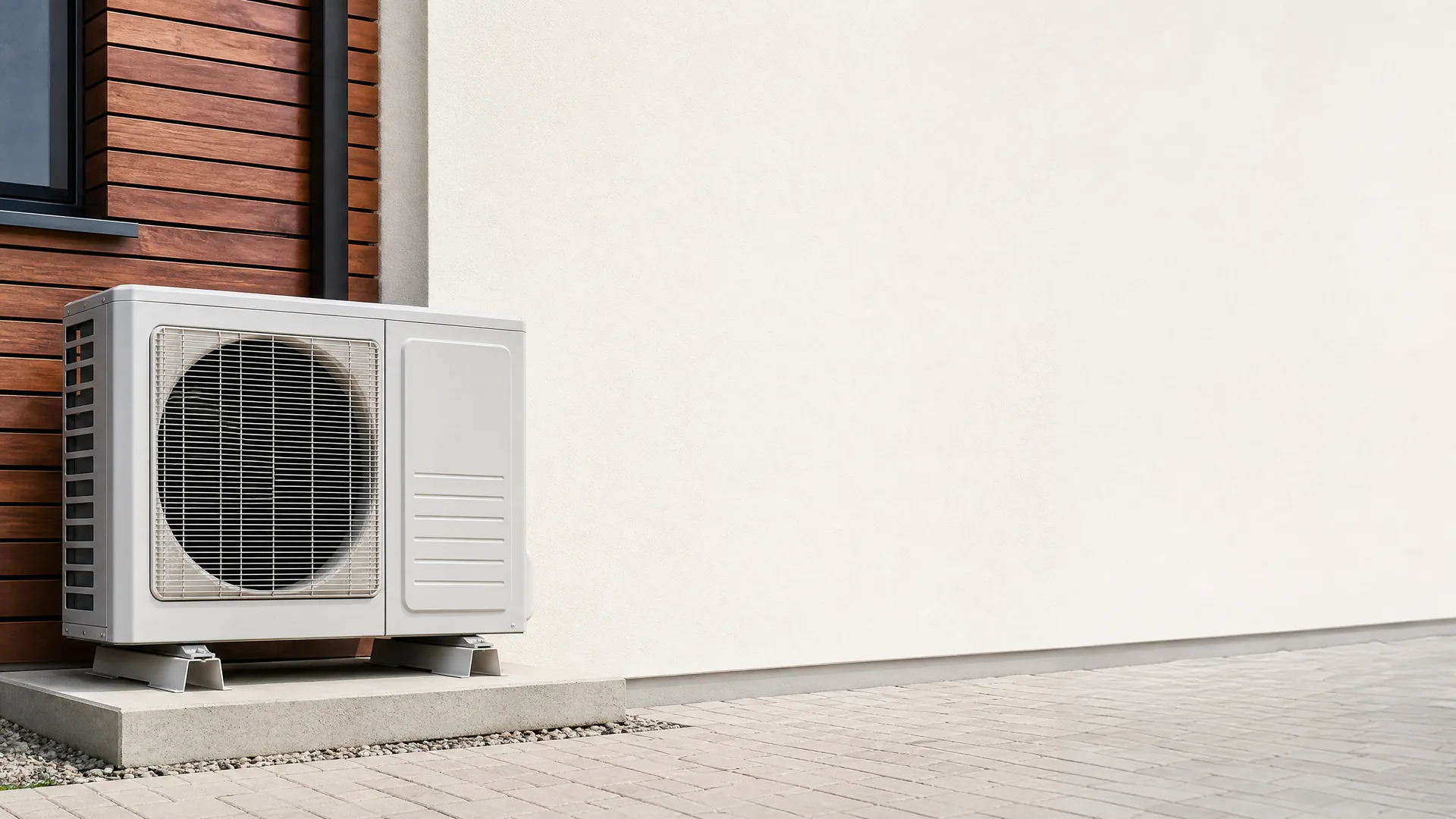
A heat pump like this one has clear coil fins and an open grille, with nothing blocking the airflow it needs to move heat in or out. Air passes through it the way it was built to, and the system isn't working to make up for anything.
 Start one form
Skip the round of in-home estimates for a new heat pump.
Most heat pumps in Indiana last between 10 and 15 years. Yours works harder than it would somewhere milder. It covers your air conditioning through sticky Indiana summers, and if it's a heat pump running alongside a gas furnace, it may only carry part of the winter load, but it's still cycling on and off most months of the year. That wear adds up faster than a system that only runs half the year.
Once yours starts falling short of that range, or starts needing repairs more often than it used to, the question turns from fixing it to replacing it. That's a different search than a quick repair, because the equipment, the sizing, and the installation all matter to how long the next one lasts.
Finding someone to do that work usually means the part nobody enjoys. You search, you find a handful of companies, you call each one, you explain your system and your house over again to every one of them, and then you sit with a stack of quotes trying to tell a fair price from a padded one, without really knowing what should be in there in the first place.
This page skips that. One request connects you to a licensed contractor local to Indiana, someone who installs and services heat pumps in this climate every season and knows how they hold up against Indiana summers and the demands of a gas-furnace backup system. You're not fielding calls from five companies at once or sorting through competing pitches. You explain your situation once, to the person who will actually do the work.
What's below walks through what typically shortens or extends a heat pump's life here, and what to look for before deciding whether to repair or replace. When you're ready, the request is simple from here.
You've had the same heat pump for a while now and you're starting to wonder if it's on borrowed time, or maybe it just quit and you're trying to figure out if replacing it makes more sense than another repair. Either way, you want a straight number, not a guess.
A heat pump in Indiana wears down faster than the same unit would in a mild climate, because it's working both sides: cooling in the summer and often picking up some of the heating load in the fall and spring. If yours is paired with a gas furnace, the furnace likely handles the coldest months and the heat pump takes the shoulder seasons, which can stretch its life toward the high end of that range. If it's running alone to heat your home, it's working harder and may not make it as long. Humidity in the summer makes the compressor run longer to pull moisture out of the air, and that adds up over the years.




One installer gets your project, so there's no bidding war over it.
Asking costs nothing, and the choice to hire stays yours.
The compressor runs whenever your heat pump calls for heat or for cooling, so in Indiana it cycles on through muggy summers and then again in the fall and spring whenever it's handling part of your heating. That's more hours on the same part than a system that only runs half the year. When a heat pump finally fails, it's usually the compressor, and once that goes, replacing just that part rarely makes sense next to replacing the unit.
If your heat pump works alongside a gas furnace, it likely shuts off once outdoor temperatures drop low enough that the furnace takes over. That can mean fewer hours of heating work than a heat pump running on its own through an Indiana winter. The tradeoff is that the unit still carries the full cooling load every summer, so its lifespan depends more on how it holds up against heat and humidity than on how cold your winters get.
Listen to it the next time it kicks on. A heat pump nearing the end makes noise it didn't used to: a rattle in the outdoor unit, a hum that wasn't there last summer, or a click as it struggles to start. You might notice it running longer to hit the same temperature, or the air coming out feels only lukewarm instead of cold. Ice on the outdoor coil in summer is another sign something's off. If your energy bills have crept up without a change in how you use the house, the unit may be working harder to do the same job. Left alone, a failing heat pump can quit entirely, and in July that means no cooling until it's replaced.

A heat pump like this one has clear coil fins and an open grille, with nothing blocking the airflow it needs to move heat in or out. Air passes through it the way it was built to, and the system isn't working to make up for anything.

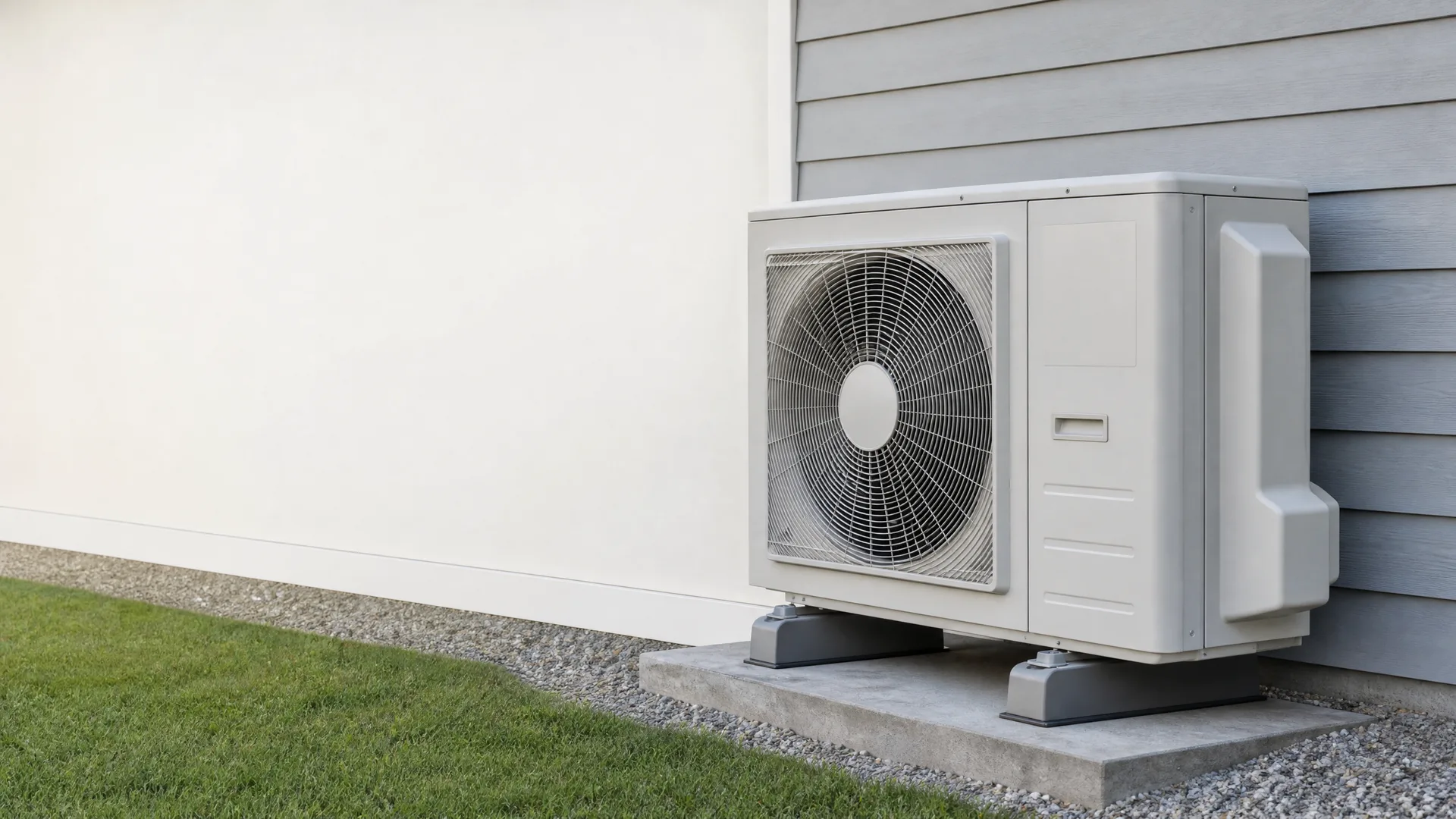
Dirt and dust packed into the coil fins force this unit to run longer to move the same amount of heat. The compressor behind that dirty coil is putting in extra hours it wasn't designed for, and that catches up with it.
At 15.96 cents a kilowatt-hour, an aging heat pump that's lost efficiency shows up on your bill before it ever fails outright. A compressor straining to keep up pulls more power to do the same job, so a unit on its way out costs more to run every month, not just more to fix.
EIA-861 2025 statewide residential average
A heat pump in Indiana runs 10 to 15 years, and yours will tell you when it's closer to the end than the beginning. Strange noises, a bill that keeps climbing, a system that can't keep up on the hottest or coldest days: that's your answer, whether it comes through a repair or a replacement. When you're ready to have it looked at, you'll get matched with one licensed contractor local to you, not a handful of companies competing for the callback. Someone who services this equipment all year, who's seen what usually fails first in a system that's been cycling through Indiana summers and shouldering part of the heating load every winter. No sorting through quotes, no explaining the same problem to three different people. Just a straight read on whether your heat pump has more years in it or whether it's time to let it go.

Skip calling around



