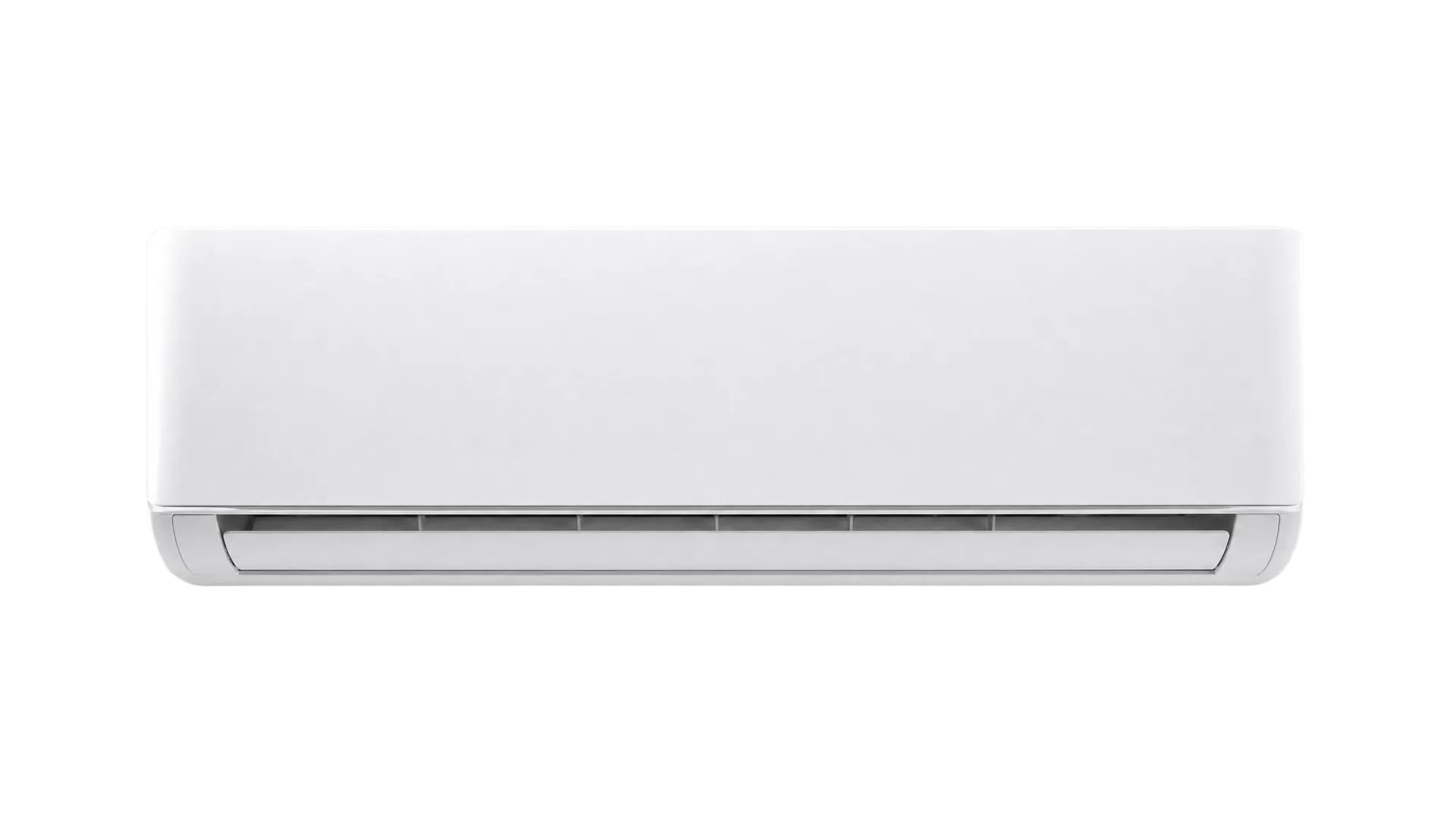

One Room, Done Right
A single indoor unit cools the room it's in and the space right around it. Close the door and the air stays even all day. For a living room or a bedroom addition, this is as good as cooling gets.
A single mini split works well in one room, but Anderson summers get sticky enough that you want every room comfortable, not just the one with the indoor unit. Before you buy more equipment, it's worth knowing what one unit can actually cover and when it falls short of handling the whole house.
A single mini split head is built to condition the space it's mounted in, plus maybe an open area next to it. Closed doors and hallways stop that cooled air from reaching other rooms, so a unit in your living room won't touch a bedroom down the hall. Covering a whole house means a multi-zone system, with one outdoor condenser running several indoor heads, one per room or zone. That setup can replace central air entirely in homes without ductwork, which matters in Madison County where plenty of older houses were never built with ducts to begin with. A contractor who installs these regularly can size the system to your square footage and layout rather than guess at how many heads you need.
A single indoor unit cools the room it's in and the space right around it. Close the door and the air stays even all day. For a living room or a bedroom addition, this is as good as cooling gets.

Ask that same unit to cover bedrooms down the hall or a closed-off kitchen and it falls behind once the humidity climbs. Dust builds up on a unit working harder than it should, and the far rooms still run warm.
Cooling runs June through August
Cooling runs June through August, so whatever setup you choose has three solid months to prove it can keep every room even.
Heat runs October through May
Heat runs October through May here, which is most of the year, and a mini split handling only part of the house leaves gas carrying the rest.
Power here costs 14.30 cents per kilowatt-hour
Power here runs 14.30 cents per kilowatt-hour, so a system working harder than it should to cover rooms it wasn't sized for shows up on the bill.
NOAA nClimDiv 1991-2020 · EIA-861 2025
A single mini split head has one outdoor unit and one indoor unit talking to each other. Add rooms and you're not making that one unit work harder, you're adding more indoor heads to the same outdoor condenser, each one wired to its own thermostat. That's the setup that lets a mini split reach past one room in a house in Anderson.
Each indoor head runs its own compressor stage through the outdoor unit's inverter. The bedroom head can sit at low speed overnight while the living room head runs full out during a July afternoon, because they're not sharing one blower the way a furnace or central air system shares one duct trunk. Every head does its own job.
Getting refrigerant to each head takes a dedicated line set, run from the outdoor unit to that specific indoor unit. Three heads means three line sets, each sized and charged for that run. The outdoor unit itself has to be matched to all of them together. It's picked for the combined load of every room it feeds, not sized to whichever room happens to be hottest.
What you get out of that setup is rooms that hold separate temperatures at the same time. A north-facing bedroom and a sun-exposed living room don't have to agree on a setting, because neither head is listening to the other one, only to its own thermostat.




You'll feel it first in July or August, when the room with the indoor unit stays comfortable but the rest of the house doesn't. A back bedroom or a finished space over the garage runs warmer, and no amount of adjusting the thermostat in the main room fixes it, because that thermostat only knows what's happening where it sits. Meanwhile the unit itself is working harder than it should, cycling more often instead of settling into a steady low run, and that shows up as higher power use through the stretch of summer when Anderson stays sticky day after day. Over a few summers of that kind of strain, the compressor is doing more work than it was built for, which catches up with it sooner than it would in a system sized to match the house. None of this means the equipment is faulty. It means one head is being asked to do a job that calls for more than one, and the house is telling you so every time a room won't cool down no matter what you set.




A single mini split head can only do so much once you're asking it to cover a whole house in Madison County. Sizing a multi-zone system for your actual floor plan, the number of rooms, where the walls and hallways sit, isn't something to guess at from a chart online. It takes someone who installs these systems locally and knows how a Madison County house holds heat in January and sheds it slowly even after a mild August evening. Getting the outdoor unit and head count right the first time means you're not back here next summer with the same warm back bedroom. A contractor who works on mini splits in this area season after season has already seen which setups keep every room even and which ones leave someone running a window fan down the hall. That's the call worth making before you buy anything.
An inverter-driven compressor adjusts its speed to match the load in the space it's reading, which is the room the indoor unit sits in. Point that unit at a whole house and it has no way to know a bedroom down the hall is five degrees warmer. It just keeps running at the speed that satisfies its own thermostat, while rooms past a hallway or behind a closed door never get the air they need. More capacity doesn't fix this. The unit needs a second or third head reading temperature where the house actually gets warm, not a bigger version of the one it already has.
A multi-zone outdoor unit lets each indoor head run its own inverter stage off the same condenser, so the living room head can run high while a bedroom head barely runs at all. Each head answers to its own thermostat, not the one in the room next door. That's the difference between a house where the hallway bedroom stays five degrees behind all August and one where every room holds its own line. The outdoor unit still has a limit, but it's a limit sized to the whole house instead of to one room guessing at the rest.
Three months of real cooling load is enough time for an undersized setup to show its weak points. If one head has been carrying your whole house, those June through August stretches are exactly when the far rooms fall behind and stay that way.
NOAA nClimDiv 1991-2020

This is a mini split doing its job. The wall unit stays clear around the vents, and the room it covers holds steady all day. That armchair and the rest of the room nearby get even cooling because the unit isn't being asked to reach any farther than this.

Grime built up around the vents and casing like this usually means the unit has been running long stretches without a break. A head asked to cover rooms beyond its own gets dirtier faster, because it almost never cycles off long enough to catch up.
One mini split head cools one room well. Covering the whole house takes a system built for that, with a head in each room that needs one and an outdoor unit sized for all of them together. That's a sizing and placement job, not a guess from a chart, and it depends on your floor plan: how many rooms, where the hallways sit, which walls face the afternoon sun. A contractor who installs these year-round in Madison County has seen which layouts give multi-zone systems trouble and which line set runs hold up through an Anderson summer. Getting matched with one licensed local installer, rather than a handful of companies competing for the job, means the person sizing your system is the one who'll stand behind it. Once you send the request, the search is done. You'll know where you stand on getting every room in your house actually comfortable, not just the one with the indoor unit.

Let someone else find the pro