

AC smells like burning in Indianapolis, IN
Why does my AC smell like something burning?
A burning smell from your AC is one of those things you notice right away, usually when the system kicks on after sitting idle. With a Marion County summer pushing the unit hard for months at a stretch, you want to know fast whether this is something to shut off and wait on, or something that needs a tech out before it gets worse.
Usually a motor or electrical problem, not something minor
A burning smell almost always points to something electrical. A blower motor that's starting to fail will run hot and give off an odor close to burning dust or plastic. Worn wiring or a failing capacitor can do the same thing, especially after the system has been running hard all summer. Sometimes it's simpler, like dust burning off the coil the first time the unit runs after sitting idle. That dust smell fades within a few minutes. If the smell keeps coming back, gets stronger, or you notice it with a smoky or acrid edge to it, that's not dust. Turn the system off at the thermostat or the breaker and have it looked at before running it again, since a motor or wiring problem can get worse, not better, the longer it runs.

What a dusty smell means
If the smell shows up when the system first kicks on for the day and fades after a few minutes, that is usually dust burning off the coil or the blower motor housing. It happens more after the unit has sat idle, which is common on a cooler night in Indianapolis before a hot afternoon. It should not come back once the system has been running a while. If it does, something else is going on.
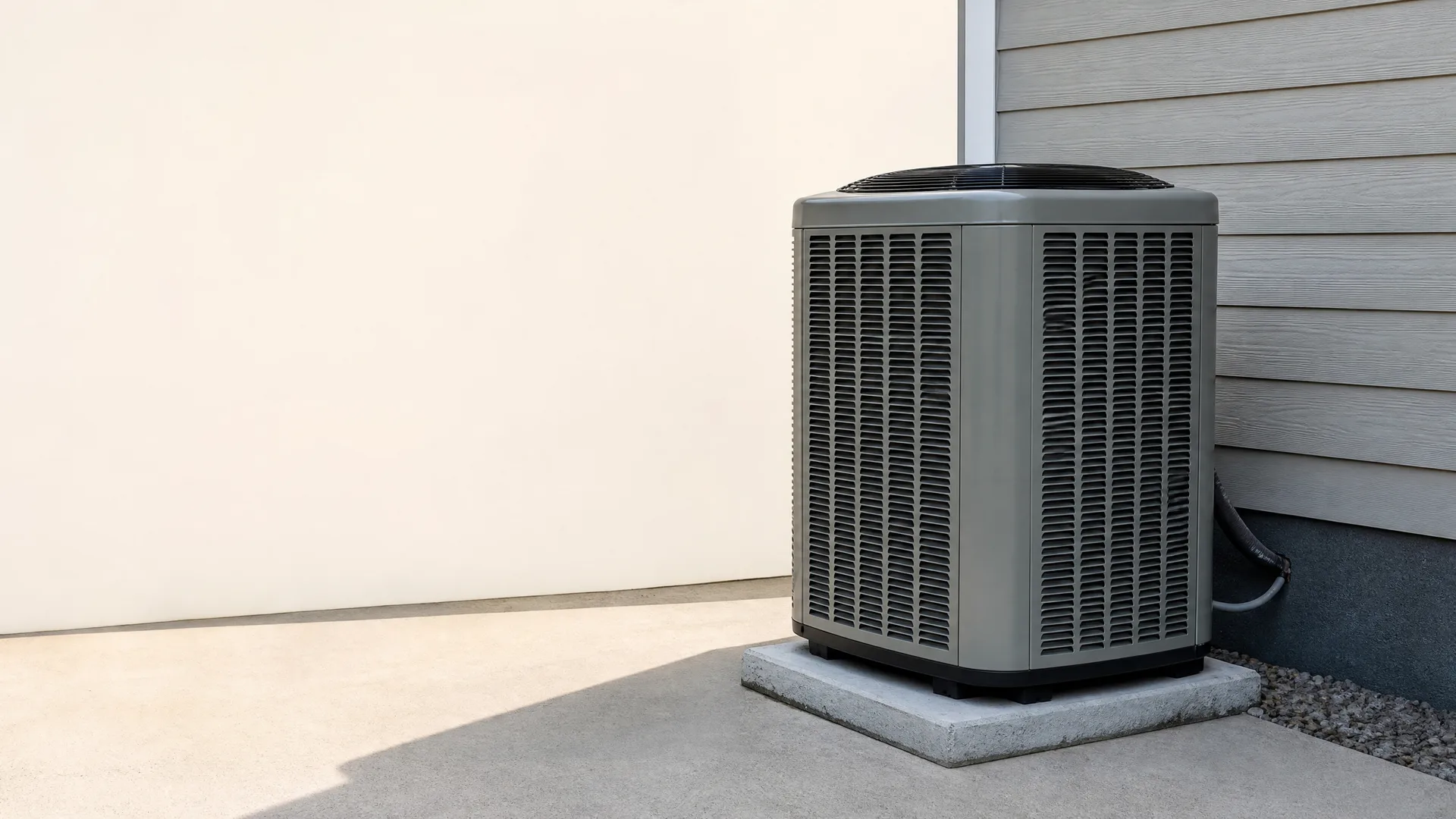
What an electrical smell means
A sharp, acrid smell, closer to burning plastic or hot wiring than dust, points to a problem in the electrical parts of the system. This can mean a failing capacitor, a loose wire connection, or a motor winding that is overheating. Unlike a dust smell, this one does not fade on its own. If you notice it, shutting the system off at the thermostat or breaker is the safer move until a contractor looks at it.
Cooling runs June through September
Four straight months of June-through-September heat means your AC runs hard, day after day, with little downtime to cool off. That steady workload is what pushes a weak part toward failure, and why a burning smell is worth checking before the next hot stretch.
NOAA nClimDiv 1991-2020
A smell you can wait on
A faint burning smell that fades within a few minutes and only shows up once in a while, usually on the first start of a hot day, is often just dust that collected while the unit sat idle. If it fades on its own and doesn't come back when the system runs again, you can keep an eye on it instead of shutting the system down. Change the filter if it's been a while, since a dirty filter makes the blower work harder and can draw more dust across warm parts. Run the AC again later the same day. If the smell doesn't return, it was most likely dust burning off, not a part failing.
A smell that means shut it off
A smell that is sharp, metallic, or like burning plastic or rubber, especially if it comes with a noise you haven't heard before or warm air blowing instead of cool, is different. That points to a wire, a motor winding, or a belt or bearing under strain, and running the system longer puts more current through whatever is already overheating. Shut it off at the thermostat and at the breaker if you can get to it safely, and don't turn it back on to test it again. In a Marion County summer, going a day or two without AC is uncomfortable, but running a unit with a burning smell risks a repair that costs far more than the one you're avoiding.




No calling every shop in Marion County

A licensed pro who works in Marion County gets your request.
You only hire the pro if you want to.
What the smell is telling you
- A burning smell with a clicking or buzzing sound often points to the start capacitor or the contactor failing to make clean contact.
- An electrical, acrid smell like hot plastic usually means a wire connection has loosened and is arcing inside the condenser or air handler.
- The blower motor has its own windings, and when they overheat the smell often carries a sharper, metallic edge than a dusty burn-off.
- A rotten or sulfur smell is different from burning and usually means something has died near the outdoor unit or in the ductwork.
- If the smell comes with the breaker tripping or the system shutting itself off, that is the system protecting itself from a short.
- A smell that gets stronger instead of fading means whatever is heating up is still heating up, not just clearing off from a cold start.
Past the first few minutes of dust burning off, a burning smell is usually electrical, and the sound that comes with it tells you where to look. A clicking or buzzing alongside the smell often means the start capacitor is failing or the contactor isn't closing cleanly, so current is arcing instead of flowing straight through. A sharper smell, more like hot plastic than dust, points to a loose wire connection arcing inside the condenser or the air handler. That one can get worse fast, since a loose connection tends to heat the metal around it and loosen further. The blower motor has its own windings separate from the rest of the system, and when those overheat the smell usually carries a metallic edge rather than the dry, dusty smell of a cold start. Not every bad smell is burning. A rotten or sulfur smell is a different problem, usually something that has died near the outdoor unit or gotten into the ductwork, and it won't fade the way a dust smell does. Pay attention to what the system does on its own. If a breaker trips or the unit shuts itself off along with the smell, that's the system cutting power before a short does more damage, not a malfunction to work around. And if the smell keeps getting stronger instead of fading after a few minutes, something is still heating up. That's worth shutting the system off for until a contractor can look at it.


A burning smell is your AC telling you something has already started to fail, and what happens next depends on whether anyone acts on it. The air carrying that smell goes through the same ducts that reach every room, so it is not staying contained to the outdoor unit or the closet where the furnace sits. Keep running it and a part that could have been replaced on its own may take a motor or a run of wiring down with it. Some systems shut themselves off when a part is struggling, which is worth paying attention to rather than just resetting and moving on. Others keep running until a breaker trips, usually on the kind of afternoon when you need the cooling most. Kids and pets who spend the day near the vents tend to notice the smell before anyone else does. None of this gets easier by waiting. A part already working too hard in a Marion County summer does not recover on its own, it just keeps wearing until something gives.
What a burning smell puts at risk
- A burning smell left unchecked can turn a simple part repair into a bigger bill if a motor or wiring gets damaged.
- If the outdoor unit shuts off on its own during a run, that is often the system protecting a failing part before it smells worse.
- A burning smell near the indoor unit means it is close to the ductwork that carries that air through the rest of your house.
- Running the system with an arcing wire or an overheating motor risks tripping the breaker or leaving you without cooling on the next hot day.
- Pets and kids home during the day are often the first to notice a burning smell, since they are near the vents more than anyone else.
- Waiting out a burning smell through another Marion County summer means asking a strained part to keep working under the same heavy load.



Marion County summers run humid, with a dew point averaging 64°F across June, July and August, according to NOAA climate records. Air that heavy forces your AC's compressor to work longer on every cycle just to pull the moisture out along with the heat. That extra runtime builds more heat inside the unit itself, and a part already running hot is more likely to give off a burning smell when a wire connection loosens or a capacitor starts to fail. If the smell shows up on the muggiest days first, that is usually the heat load talking, not a coincidence.
NASA POWER T2MDEW
A burning smell from your AC means something is overheating, whether that's dust on the coil or a part on its way out, and running the system while you wait on it is how a small repair turns into a bigger one. The contractor who checks it will be a licensed technician working near you, someone who's in and out of homes across Marion County all summer and knows which part tends to go first on a unit that's been run hard for months. You send one request and hear back from that one contractor, not a handful of companies competing for your callback. No need to explain the smell over and over to different people or sort through quotes. Once you know what's causing it, whether it clears on its own or needs a part replaced, you'll know where you stand and what happens next.

No phone calls to make
Asking costs nothing, and the choice to hire stays yours.
A burning smell doesn't fix itself by turning the system off for a day. Sending the request once gets a licensed Marion County contractor looking at the actual part, instead of you guessing while the smell comes back on the next hot afternoon.