









Why your mini split smells musty in sticky Indiana

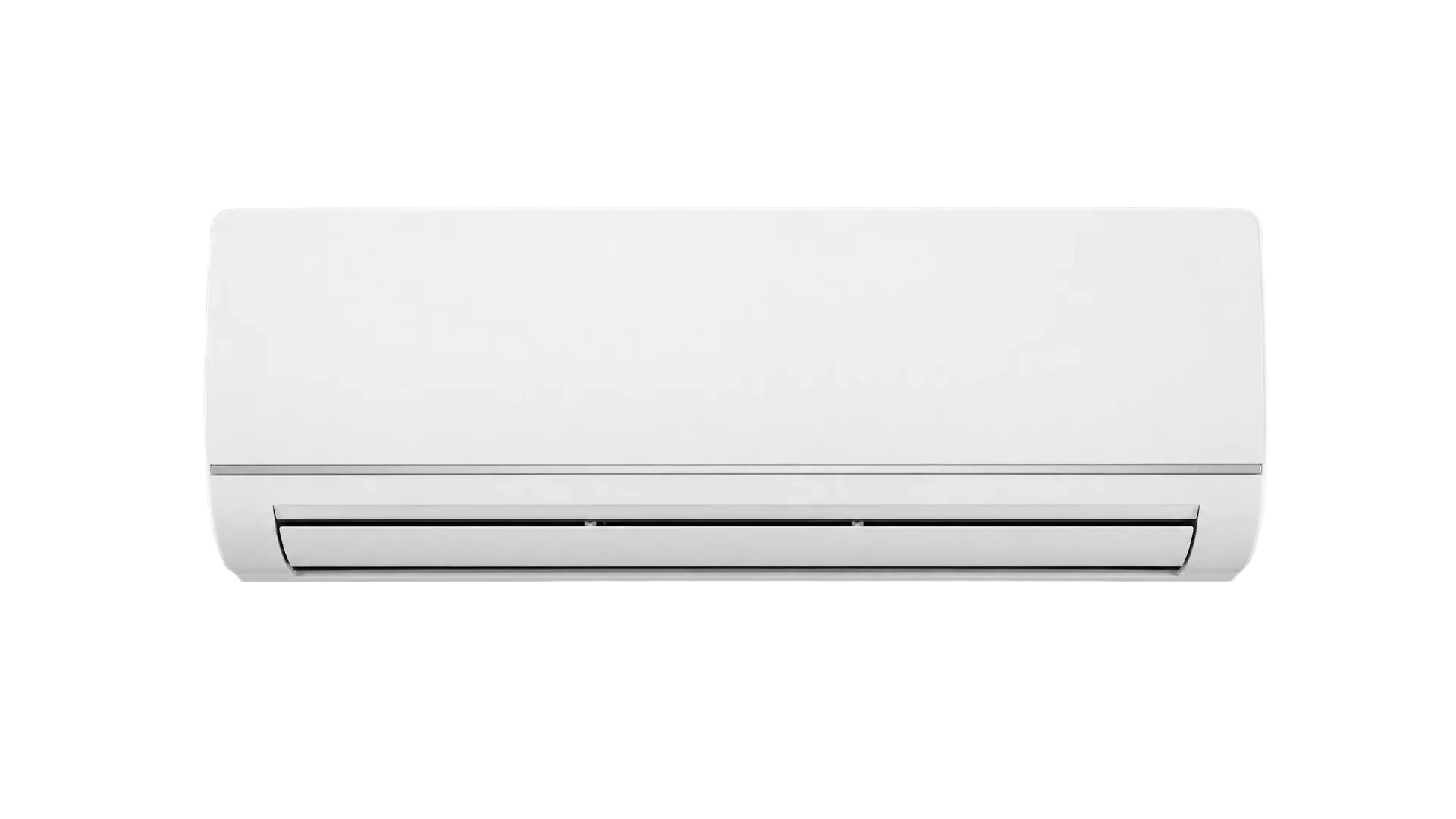
A white wall-mounted mini-split air conditioner indoor unit centered against a plain light gray background.
Find my pro

That musty smell is mold or mildew growing inside the indoor unit, usually on the evaporator coil or in the drain pan and drain line. Indiana summers run thick with humidity, and a mini split pulls a lot of moisture out of the air to cool your house. Some of that water is supposed to drain away. If the drain line is clogged or sloped wrong, or the coil never fully dries between cycles, water sits there and grows something. The smell gets worse when the unit has run for weeks straight through a muggy stretch, because it never gets a dry break. It is not dangerous to run the unit while it smells, but the mold is going to keep spreading across the coil and into the blower, and the smell will keep coming back every time it kicks on. The coil needs to be cleaned and the drain checked before it gets worse.

An older man with gray hair and a beard stands in a dimly lit entryway wearing a dark hooded coat dusted with snow, with a lit table lamp, framed picture, and front door with glass panels behind him.
An older man with gray hair and a beard, wearing a dark snow-dusted jacket and scarf, stands smiling in a dimly lit entry hall with a lamp, wooden front door and staircase behind him.
A gray-haired bearded man in a dark coat with snow flecks on the shoulders stands just inside a dimly lit home entryway, with a lamp, framed pictures, sofa and candle-style lights in the background.
An older man with gray hair and a beard, wearing a dark coat and scarf dusted with snow, stands in a warmly lit home entryway with an arched doorway, lamps, and a living room visible behind him.

Cooling pulls moisture out of your air and leaves it sitting on the evaporator coil. The system is built to handle that. After the thermostat is satisfied, the blower keeps moving air across the coil for a bit so it dries out before the unit goes quiet. When that doesn't happen the way it should, or when the drain line carrying that water outside gets clogged, the water has nowhere to go but the pan. A dirty filter makes it worse, since it sits right in front of the coil and holds moisture against it longer. None of this stays hidden the way it would with a furnace and ducts somewhere else in the house. A mini split's indoor unit blows directly into the room, so whatever is growing on that coil or sitting in that pan comes right out with the cool air. Indiana summers push a lot of moisture through these units, which is exactly the condition mold needs. A technician checks the coil, the drain line, and the pan to find where the water actually stopped moving.

Why the smell starts inside

  • The indoor unit's blower keeps running for a short time after the thermostat stops calling for cooling, which should dry the coil before it shuts off completely.
  • A clogged drain line backs up condensate into the pan instead of letting it run outside, and that standing water is where the smell starts.
  • The air filter sits right in front of the coil, and dust built up on it holds moisture against the coil longer than it should stay wet.
  • Mini splits don't have a standard duct system, so whatever grows on the coil or in the pan blows straight into the room you're sitting in.
  • A coil that stays damp between cooling cycles gives mold and mildew the exact conditions they need, especially with how much moisture Indiana summers put in the air.
  • Technicians clean the coil, flush the drain line, and check that the condensate pan is draining the way it was built to.
A white wall-mounted mini-split air conditioner unit installed high on a light gray interior wall near the ceiling, with a white-framed window and green foliage visible at the left edge.
The air coming off the wall feels clean and carries no smell, because the coil behind it is drying out fully between cycles the way it should.
A dusty white wall-mounted mini-split air conditioner installed high on a beige interior wall below a molded ceiling trim.
Dust coats the casing and the filter sits exposed and dirty, and a unit this caked with grime is one that hasn't been serviced in a long time.
  1. Warm, humid air crosses the cold evaporator coil and loses its moisture.

  2. Water condenses on the coil and drips into the drain pan below.

  3. The pan feeds a drain line that carries water outside the house.

  4. Leftover moisture on the coil feeds mold if the blower cuts off too soon.

Why does the smell seem worse right when the unit kicks on?

That first blast of musty air when the mini split starts a cycle is the airflow disturbing a coil or drain pan that's been sitting damp and still. You might notice it fades some after a few minutes, then comes back next time the unit cycles on. Some households also notice it stronger in a bedroom or living room that runs the unit most, or see a faint ring or dark spots around the drain line where it exits the house. Left alone, the mold keeps feeding on that moisture and spreads further into the coil fins and pan, and the smell gets pushed into the air every time the fan runs.

A dusty white wall-mounted mini-split air conditioner indoor unit installed high on a beige interior wall below a white ceiling and trim.
Before you get your mini split maintenance
A white wall-mounted mini-split air conditioner installed near the ceiling on a light-colored interior wall, with a window and green foliage visible at the left edge.
After you get your mini split maintenance

The right pro for this job

Send the form, and lining up the mini split tune-up stops being yours to chase.

Asking costs nothing, and the choice to hire stays yours.

Why the filter matters so much

A dirty filter slows the air moving across the coil. Less airflow means the coil can't shed its moisture as fast between cycles, so it stays wet longer and mildew gets a foothold. Indiana's humid stretch puts more load on that filter than a dry climate would, since the coil is pulling moisture out of thick summer air almost constantly. Most mini split filters are meant to be washed or swapped on a regular schedule, not left in until they're visibly gray. A clean filter won't fix a clogged drain line on its own, but it keeps the coil drying the way it's supposed to.


What a clean coil looks like

A coil that's been properly cleaned is bare metal fins with air passing straight through, no film, no dust mat, nothing holding water against the surface. Grime on a coil acts like a sponge, soaking up condensate and staying damp long after a dry coil would've shed it. That trapped moisture is exactly what mold needs. A coil cleaning strips that layer off so water runs down into the pan the way the system was built for, instead of clinging to buildup on the fins and sitting there between cycles.

A woman wrapped in a chunky knit blanket sits in an armchair with an open book on her lap, beside a lit table lamp and a window with frost and snow outside.
A bearded man in a plaid flannel shirt stands indoors looking out a condensation-covered window at a snowy landscape, with a speckled mug on the sill and kitchen shelves behind him.
A white wall-mounted mini-split air conditioner on a light gray wall in an empty room with dark wood flooring, white baseboards, a tray ceiling with recessed lights, and a window at the left.

Running clean

This is a mini split doing its job. No smell, no streaking, just a quiet unit in the corner pulling moisture out of the air the way it's built to. The coil behind the panel is drying out fully between cycles, so nothing stays wet long enough to grow.

A wall-mounted mini-split air conditioner indoor unit with a yellowed plastic casing and dark horizontal vent louvers, installed on a plain light-gray wall.

Overdue for a look

Dust sits thick on the top casing and dark residue rings the vents. That residue is usually mold getting a foothold where damp air keeps passing over the same dirty surface. A unit that looks like this has likely been skipping a full dry-out between cycles for a while.

Power costs 15.96 cents per kilowatt-hour statewide

At 15.96 cents per kilowatt-hour, running the blower a little longer to dry the coil barely moves your bill. A mini split that short-cycles to save a few cents is the one that stays damp inside and starts smelling musty.

EIA-861 2025 statewide residential average

Where this leaves you

  • A musty smell from a mini split means moisture sitting somewhere it shouldn't, usually the coil, the pan or the drain line.
  • Indiana's sticky summers keep the unit working hard to pull water out of the air, which gives mold more chances to take hold.
  • A dirty filter, a clogged drain or a blower that shuts off too soon can all leave the coil wet between cycles.
  • Maintenance clears the drain line, cleans the coil and checks that the blower is drying things out the way it should.
  • Once you send the form, you're done hunting for someone to call, a contractor reaches out to you instead.
  • A unit that's been serviced runs clean and quiet, with no smell and nothing streaking down the wall underneath it.

The smell has one source: water that isn't draining or drying the way it's supposed to. Indiana's humid summers make the mini split work harder than units in drier places, and that extra moisture has to go somewhere. Most of the time it ends up sitting on the coil or backing up in the drain line because a filter is clogged, a drain is blocked, or the blower cuts off before the coil is dry. None of that is a flaw in the unit. It's what happens when routine maintenance gets skipped for a season or two.

A contractor who services the unit clears the drain line, cleans the coil, checks the pan, and makes sure the blower runs long enough to dry things out after each cycle. That's the whole fix. There's no mystery part failing and nothing wrong with the mini split itself, just moisture that's been allowed to sit where it shouldn't.

Once you send the form, the searching is done. You're not the one calling around trying to find someone who answers the phone or has an opening this month. A contractor who works on mini splits in your area reaches out to you. From there it's their job to figure out what your unit needs, not yours. A serviced unit runs the way it did when it was new: cool air, no smell, nothing streaking down the wall underneath it.

A dark-clad house with large windows beside a gravel driveway lined with in-ground path lights, ornamental grasses and hydrangeas, with distant hills and an orange sunset sky.

Mini Split Maintenance

Matched to your mini split job

Tune-up, service, or cleaningMini-splitIndiana
Step 1 of 2

What ZIP code is the job in?

  • A corner of a room with an upholstered wood-framed armchair holding a floral pillow, a round side table with a ceramic lamp, books and a vase of greenery, a framed landscape painting on the wall, a patterned rug, and a sunlit multi-pane window.
    • Say what's going on with your mini split, and a pro who works on them reaches out.
  • Interior corner with a wood-framed window showing green foliage outside, a framed landscape print on a beige wall, and a rounded stone vase of leafy branches on a wooden cabinet.
    • One request and finding someone for the tune-up is handled.
    • After this form, you can stop searching for a mini split pro.
  • A pale ceramic vase holding olive branches sits on a dark wooden countertop beside a carved wooden dough bowl, next to a wood-framed window and a light painted plank wall.
    • Skip calling around to set up a mini split tune-up.
    • One form instead of hunting for a pro who does mini split tune-ups.
  • A dark wood round side table holding a brass lamp with a cream shade, a blue-and-white patterned bowl, and a white textured pot of greenery, beside an upholstered chair with a gray patterned cushion and a white-framed window showing green trees and flowering shrubs.
    • A licensed local pro takes the request for your mini split tune-up.
    • The pro who reaches out is licensed in Indiana.





