

Fix it yourself
Rinsing a filter or clearing leaves off the outdoor unit takes an afternoon, if that's really what's wrong. A refrigerant leak or a frozen coil won't respond to any of that.
You turn your mini split on during a sticky Indiana afternoon and it's running, the fan is blowing, but the air coming out isn't cold, or the room just won't come down to temperature. You're the type who checks on a problem before it turns into a bigger one, so you want to know what's actually going on before it's 90 degrees inside and the unit's been struggling for weeks.
A mini split that runs but doesn't cool usually has one of three problems. The filter is clogged with dust and blocking airflow across the indoor coil. The outdoor unit's coil is caked with dirt, pollen or grass clippings and can't release heat the way it needs to. Or the system has a refrigerant leak and has lost the charge it needs to actually cool the air, not just move it around. With Indiana summers running hot and humid for months at a stretch, a mini split working against a dirty coil or a low charge falls further behind every week it goes unaddressed, especially on the days you need it most.
Refrigerant runs low or the coil ices over first
Dirty filter or blocked outdoor unit cuts airflow next
Indoor coil can't absorb heat from the room air
Warm air blows out instead of cold air

A mini split cools by running cold refrigerant through the indoor coil, then blowing room air across it. If refrigerant has leaked out, the coil can't pull enough heat out of the air passing over it, so what comes out the vent feels room temperature or close to it. A coil that's iced over does the same thing, it can't transfer heat through a layer of ice.

Refrigerant doesn't get used up the way fuel does. A mini split that's low on it has a leak somewhere in the line set or at a fitting, and the level won't come back up on its own. Running the unit low on charge for long stretches makes the compressor work harder than it should, which is wear it doesn't need.

Run a mini split on low refrigerant or a dirty coil and it doesn't just cool poorly, it draws power the whole time it's trying. The compressor keeps cycling, trying to hit a setpoint it can't reach, and your bill reflects hours of work that never cooled the room. In an Indiana summer that can mean the unit runs most of the afternoon and evening without the room ever dropping those last few degrees. Leave an iced coil running and you risk water dripping into the wall or floor below it as the ice melts, and a compressor that's short on refrigerant can wear out well before it should.
You've already checked the filter and cleared the outdoor unit. If the air still isn't cold, the problem is inside the system, refrigerant level, a coil that needs more than a rinse, or an electrical fault, and that calls for a license and gauges you don't have. Rather than calling around Indiana for someone who works on your brand and can get out this week, you can get matched with a contractor who services your type of mini split, and they'll reach out to you directly.

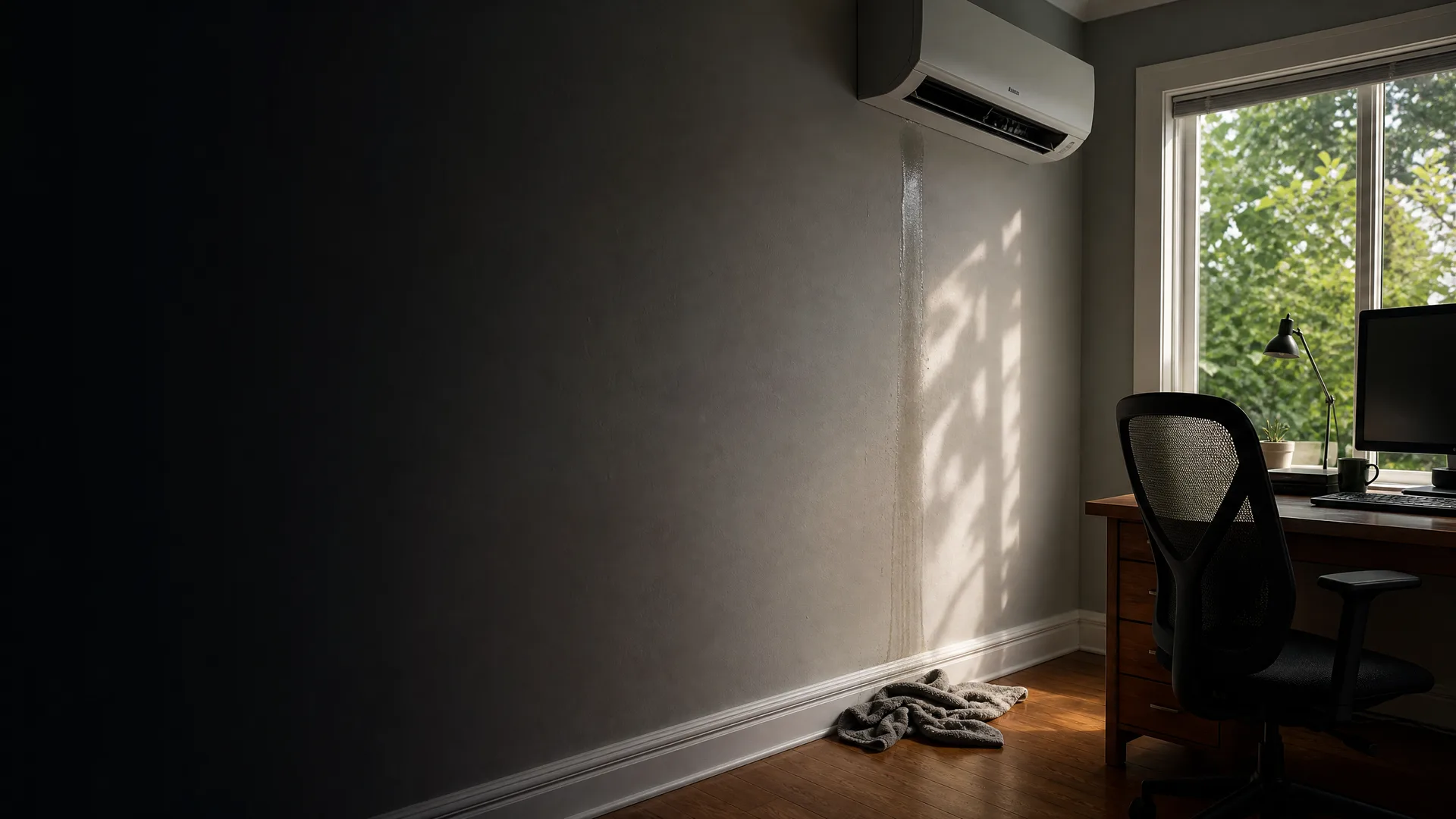
You're at your desk working from home, mid afternoon, and you notice the wall under the indoor unit looks wet. A thin streak runs down from the unit toward the baseboard. You get up, press a finger to it, and it's water, not condensation on the outside of the pipe. You grab a towel from the hall bathroom and lay it on the floor under the drip. The mini split is still running, still blowing air, and your office is still warm. You stand there a minute watching the wall, trying to decide if it's gotten worse since lunch. Outside, the Indiana afternoon is thick and bright, and the room isn't cooling down at all.
One form replaces the calls you'd make to find a mini split pro.
You're not committing to anything by asking.
A mini split isn't one box, it's two units connected by a set of refrigerant lines running through a hole drilled in your wall. The outdoor unit holds the compressor, which pressurizes refrigerant and sends it inside to the coil in the indoor unit. That coil is where the actual cooling happens. The indoor unit's blower pulls air from the room across the coil, and a sensor built into the unit reads how warm that return air is, then decides how hard to run. Most systems installed in the last several years use an inverter compressor, which means it ramps speed up and down to hold a temperature rather than clicking fully on and off like an old window unit. That's why a mini split can sit at a steady, quiet hum instead of cycling loudly.
A reversing valve is what lets this same equipment heat your home in January and cool it in July, by flipping which direction the refrigerant flows. And the coil doesn't just cool air, it pulls moisture out of it, which has to go somewhere. That water drains off through either a gravity line or a small condensate pump built into the indoor unit. If that drain clogs or the pump fails, water backs up, and on many systems a float switch will shut the whole unit down rather than let it overflow into your wall. So a mini split that suddenly stops cooling isn't always a refrigerant or airflow problem. Sometimes it's water with nowhere to go.



Average out summer across Indiana and the dew point sits at 64°F, a number the National Weather Service uses to measure how heavy the air actually feels, not just how hot. At that level the air is already carrying a lot of moisture before your mini split does anything with it. Humid air holds more heat, so the indoor coil has more to pull out of every cubic foot that passes over it. A unit low on refrigerant or running behind a dirty coil struggles more here than the same unit would in a drier state. You'll notice it as a room that cools partway and then stalls, or air that feels cool but still leaves things clammy.
NASA POWER T2MDEW county cells weighted by homes




Rinsing a filter or clearing leaves off the outdoor unit takes an afternoon, if that's really what's wrong. A refrigerant leak or a frozen coil won't respond to any of that.
Skip calling around Indiana and explaining the same problem twice. Get matched with a contractor who knows what's behind a mini split blowing warm air and reaches out to you directly.


At 15.96 cents a kilowatt-hour, a mini split struggling to cool costs more to run, not less. A unit low on refrigerant or caked with dust still draws power every minute it's on, it just doesn't deliver the cold air for it. Letting it run that way costs you before it ever gets fixed.
EIA-861 2025 statewide residential average



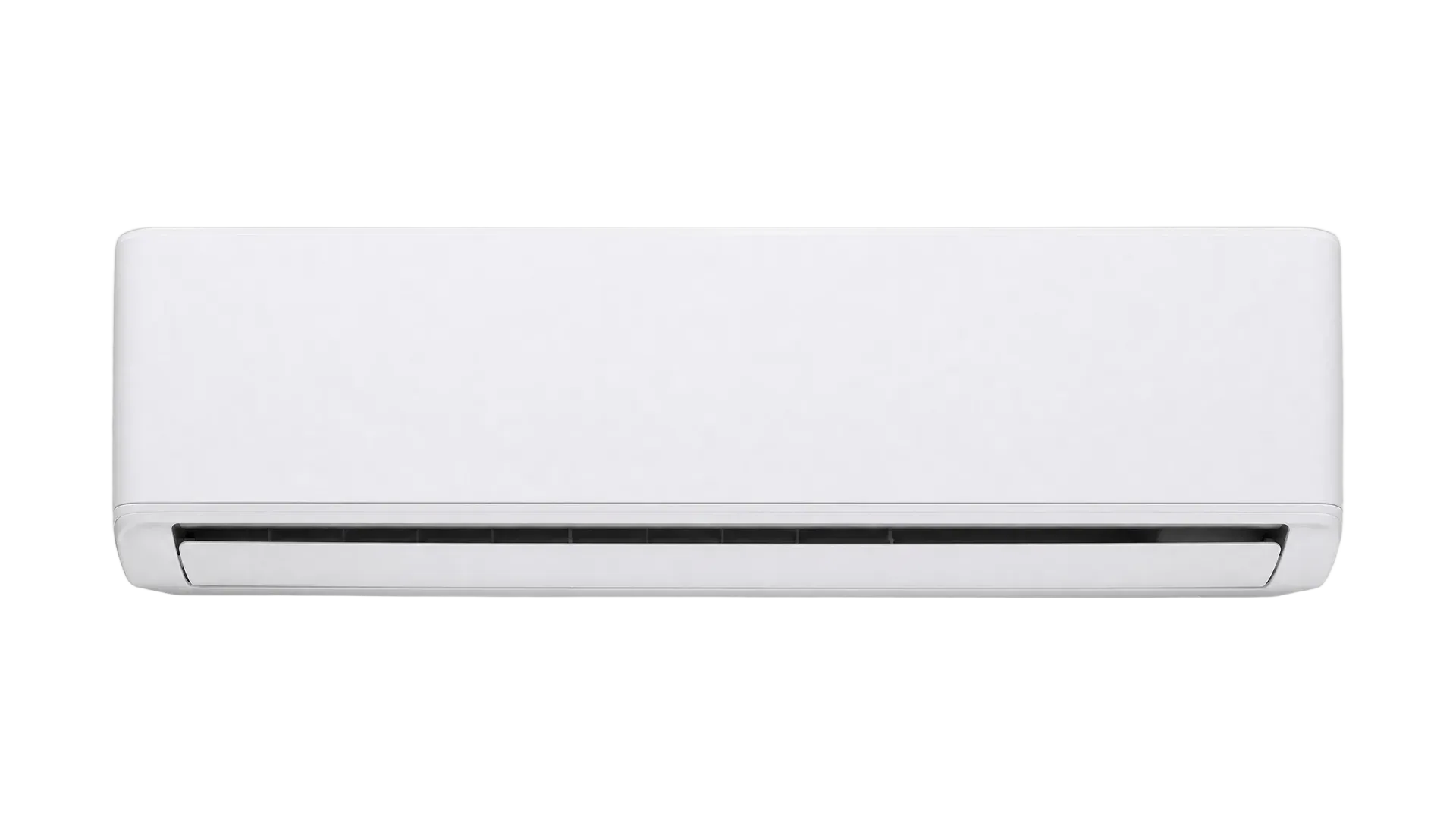
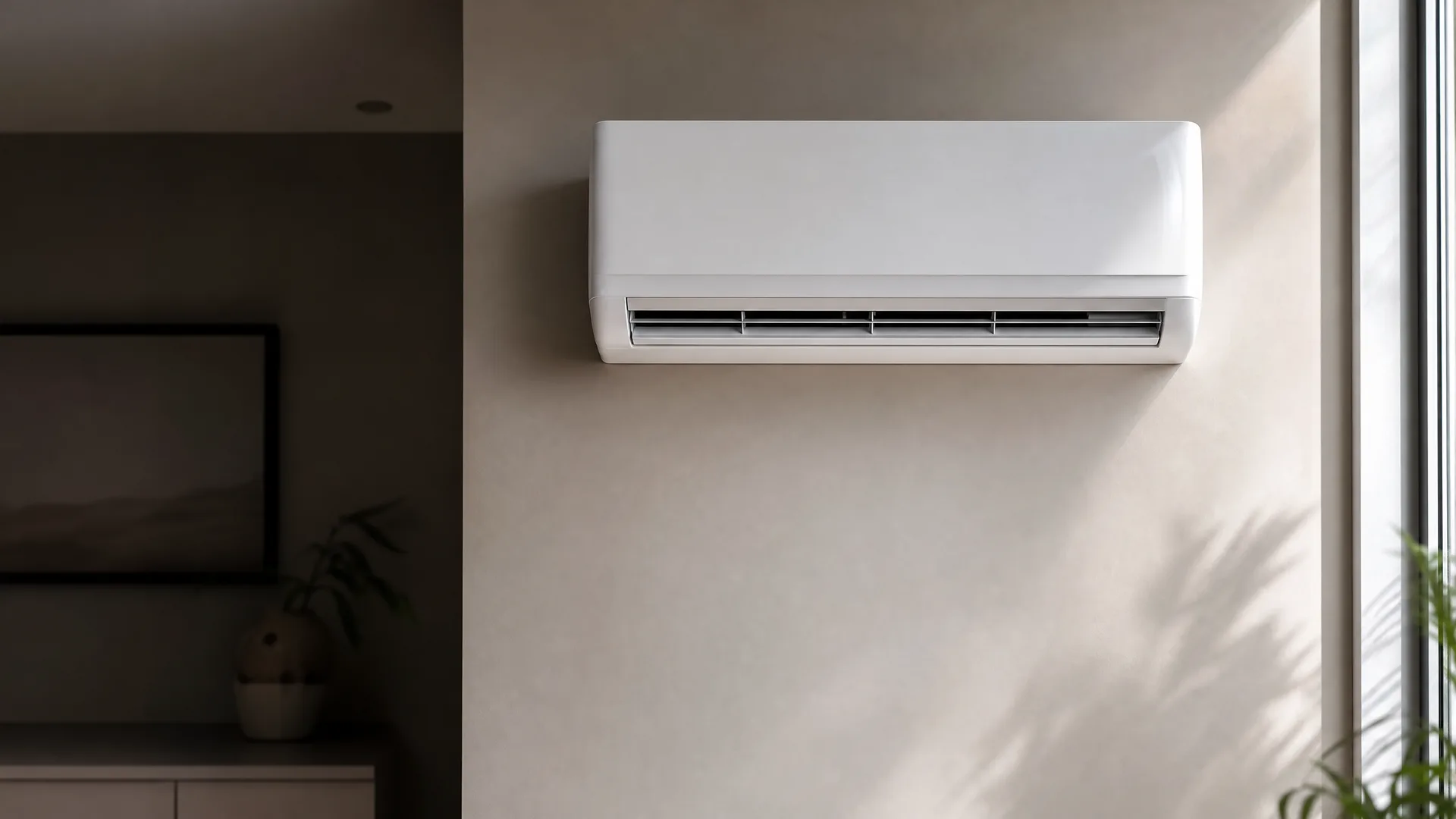
Air coming off this unit hits the room and the temperature actually drops. The casing is clean, the filter behind it is clear, and the coil underneath can pull heat out of the air the way it's supposed to.

That dark buildup on the casing and filter is dust and grime sitting on the coil too. A coil caked like this can't absorb heat from the air passing over it, so the room stays warm no matter how long the unit runs.
A mini split that's running but not cooling comes down to one of a few things: low refrigerant, a frozen coil, a dirty filter, or an outdoor unit that can't breathe. None of those fix themselves, and running the unit while you wait only costs you more on the power bill without giving you cooler air. You don't have to figure out which one it is yourself, and you don't have to spend your afternoon calling around Indiana, explaining the problem to one contractor after another, and sorting through quotes to see who actually answers the phone. You already checked the filter and cleared the outdoor unit. If the air still isn't cold, the problem is inside the system, and getting matched with a contractor who knows mini splits means someone reaches out to you instead of the other way around.
A local pro for your mini split repair