

Best heat pump setting for an Indiana winter

Send the form, and lining up the heat pump tune-up stops being yours to chase.

Hand it off

What's the best thermostat setting for a heat pump in winter?

You've got a heat pump and an Indiana winter ahead of you, and you've probably heard mixed things about how to run the thermostat. Some people say crank it up when you're cold, others say never touch it. With temperatures here dropping well below freezing for weeks at a time, picking the wrong habit can mean a system working harder than it needs to, or a backup heat strip kicking on more than it should.

Pick one temperature and leave it there

Set your heat pump to one steady temperature, usually somewhere in the high 60s, and leave it alone through the day and night. A heat pump moves heat instead of burning fuel for it, so it works best running steadily at a low, constant rate rather than cycling on and off trying to catch up. Bump the setting up several degrees at once, and the system may switch over to its backup electric heat strips to close the gap fast, which costs more to run. In an Indiana winter, where nights regularly sit in the 20s and 30s, that backup heat can end up carrying more of the load than it should if the thermostat keeps getting pushed around.

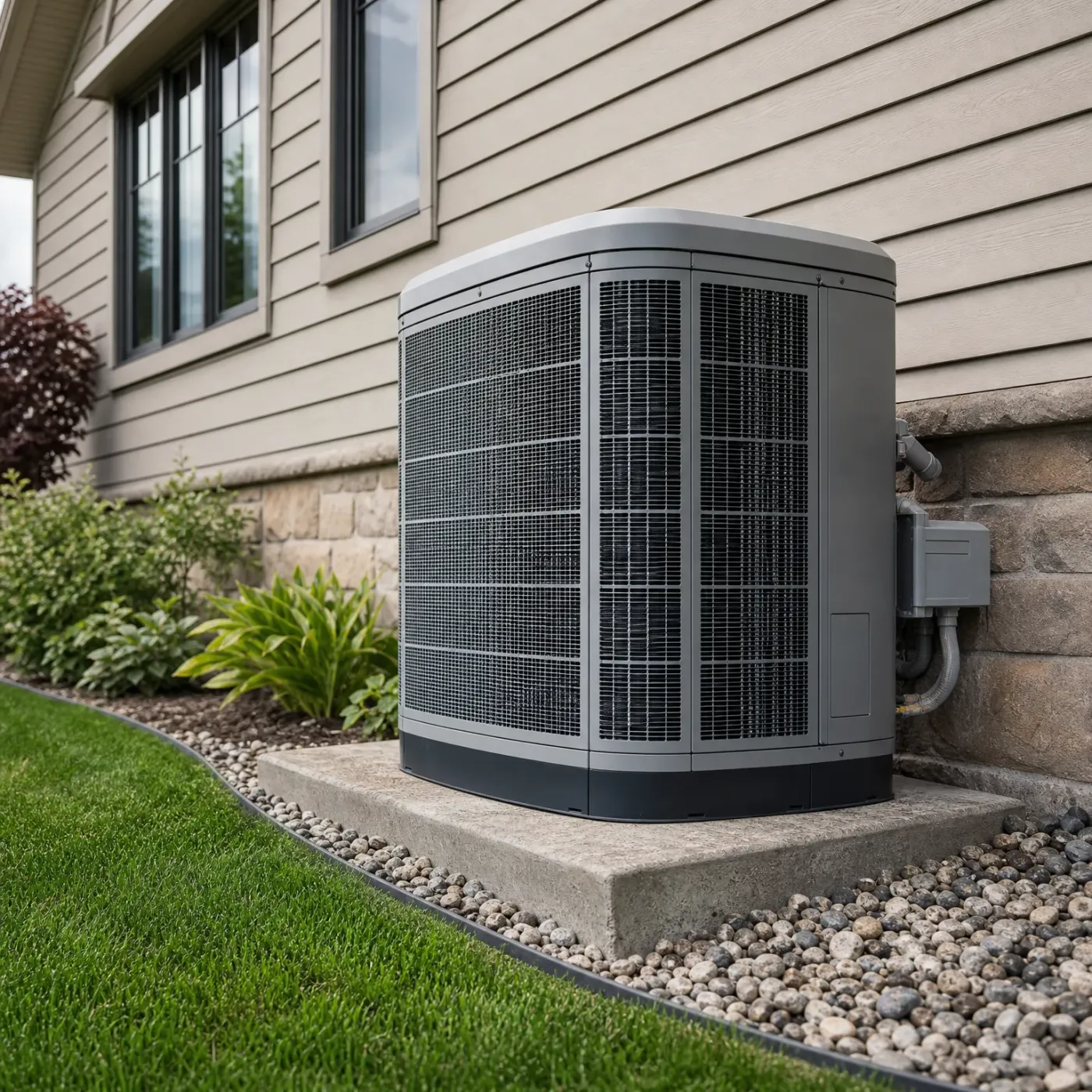
A gray outdoor condenser unit on a concrete pad beside a house with horizontal lap siding, connected by conduit and lines to a wall-mounted disconnect box, with a shrub and gravel bed to the left.

Running the way it should

A heat pump that's keeping up looks like this: steady operation, no frost buildup beyond a thin coat that melts off during normal defrost cycles, and a house that holds its set temperature without the auxiliary heat kicking on constantly. The outdoor unit hums along, moving heat even when it's cold outside.


An outdoor air conditioner condenser unit on a concrete pad beside a light gray vinyl-sided house, with an electrical disconnect box and conduit on the wall and bare soil in the foreground.

Struggling to keep up

If the outdoor unit is caked in ice that doesn't clear, or it's running nonstop without raising the indoor temperature, something's off. A failing defrost control, low refrigerant, or a dirty coil can all cause this. The longer it runs this way, the harder the backup heat works, and the higher the bill climbs.

A man in a blue sweatshirt reclines with his eyes closed in an armchair in a living room, with a folded newspaper and ceramic mug on a side table and bookshelves and a couch behind him.
A bearded man in a navy sweater leans back in a brown leather armchair with his eyes closed and a slight smile, beside a window and a side table holding newspapers and a lamp.
A man in a dark gray sweater reclines with closed eyes and a slight smile in a brown leather armchair in a living room with bookshelves, a sofa, a lamp, large windows, and a folded newspaper on a round wooden table.
A man in a gray fleece pullover sits in a leather armchair with his eyes closed and a slight smile, beside a table with newspapers and a lamp, with a window, potted plant and bookshelves behind him.

A heat pump doesn't make heat the way a furnace does. It pulls heat out of the outside air, even cold air, and moves it into your house. That takes steady, low power draw rather than short bursts of high heat, which is why the thermostat likes to be left alone. Pick a setting and hold it through the cold snap, and the outdoor unit keeps working at a pace it can sustain. Push the temperature up several degrees at once and the thermostat reads that as a gap it can't close fast enough, so it calls in the aux heat, electric resistance heat built into the air handler, to make up the difference. That's the expensive way to warm the house. You'll also see the system pause and seem to run backward for a few minutes now and then. That's the defrost cycle, clearing frost off the outdoor coil, and it's normal. Leave the thermostat where it is through that too. The unit set to ride out a cold stretch on its own settles into its normal range instead of leaning on aux heat to carry the load.

How a heat pump actually runs

  • A heat pump moves heat from outside air into your house instead of burning fuel to make it.
  • Setting the thermostat once and leaving it there lets the system run steady, pulling less power than it would cycling up from a big setback.
  • Auxiliary heat is electric resistance heat built into the air handler, and it costs more to run than the heat pump itself.
  • Bumping the temperature up several degrees at once tells the thermostat to call for aux heat to close the gap faster.
  • A defrost cycle runs automatically when frost builds on the outdoor coil, briefly reversing the system to melt it off.
  • The outdoor unit works harder as the temperature drops, so a thermostat held steady through a cold snap keeps it running within its normal range instead of forcing aux heat to carry the load.
A gray outdoor condenser unit on a concrete pad beside a light-colored lap-sided house, with a wall-mounted disconnect box, refrigerant lines, mulch bed and shrubs, and a concrete walkway in the foreground.
A thin, even coat of frost that melts off in the normal defrost cycle is nothing to worry about.
An outdoor condenser unit sits on a concrete pad beside a house with horizontal vinyl siding, with a gray electrical disconnect box and conduit on the wall and a shrub at left.
Thick frost or ice that builds up and stays on the coil means the defrost cycle isn't keeping up.
  1. The thermostat calls for heat and the reversing valve shifts position.

  2. The outdoor coil pulls heat out of the cold air outside.

  3. The compressor concentrates that heat to a usable temperature.

  4. The indoor coil releases the heat into air moving through your ducts.

An older man with gray hair in a green quarter-zip sweater leans back on a couch with his eyes closed and head tilted up, in a sunlit room with windows, houseplants, a lamp, and a cushion behind him.
A woman in a cream knit sweater sits with eyes closed in a light upholstered armchair beside a window showing autumn foliage, with a ceramic mug on a side table and a lit lamp and shelves in the background.
A gray outdoor condenser unit on a concrete pad beside a house with horizontal lap siding and a stone foundation, with a lawn, shrubs and decorative gravel nearby.

Done looking for a heat pump pro

A licensed local pro takes the request for your heat pump tune-up.

Send the form and the heat pump tune-up stops being something to remember.

Find a licensed pro

Sending the form costs nothing.

Why does the house feel chilly with the heat on

If you've been bumping the thermostat up a few degrees whenever a room feels cool, you may notice the air coming out of the vents feels lukewarm instead of hot. That's normal for a heat pump, it moves heat rather than burning it, but it's also what sends people reaching for the dial. Each bump can trigger the auxiliary heat strip, and that pulls a lot more power than the heat pump running on its own. You might see it on the power bill before you see it anywhere else. Outside, check the unit once in a while. A thin frost that melts off is fine. Ice that builds up and stays means the system is working harder than it should through the rest of the winter.

An outdoor air conditioner condenser unit on a concrete pad beside a house with horizontal lap siding, with refrigerant lines entering the wall and a shrub on bare soil to the left.
Before you get your heat pump maintenance
A light gray outdoor heat pump unit mounted on a concrete pad beside a house with horizontal lap siding, with refrigerant lines and conduit running to a wall-mounted electrical box, gravel and a leafy shrub nearby.
After you get your heat pump maintenance

Why setbacks cost you more here

Drop the thermostat a few degrees overnight and the heat pump has to make up that difference when it kicks back on. Recovering several degrees means longer runtime, and once the gap gets wide enough, the system can call for auxiliary heat to catch up faster. That backup heat draws a lot more power than the compressor does on its own. In a typical Indiana winter, with weeks of cold sitting in the 20s and 30s, a setback that seems small in September can trigger backup heat you wouldn't otherwise need.

What a steady setting saves you

Leave the thermostat at one setting through the day and the heat pump runs in short, steady cycles instead of long recovery stretches. It never has to close a big gap, so the compressor does the work alone without handing it off to auxiliary heat. Power in Indiana runs at a typical rate, so the savings come from how the system runs, not a special rate you're chasing. A heat pump holding steady at 68 degrees all day pulls less power overall than one bouncing between 62 and 68 a few times a day.

Power costs 15.96 cents per kilowatt-hour statewide

At 15.96 cents a kilowatt-hour, every degree your heat pump has to make up on recovery shows up on the bill. Holding one steady setting instead of swinging the thermostat keeps the compressor running at its normal draw instead of pushing harder to catch up.

EIA-861 2025 statewide residential average

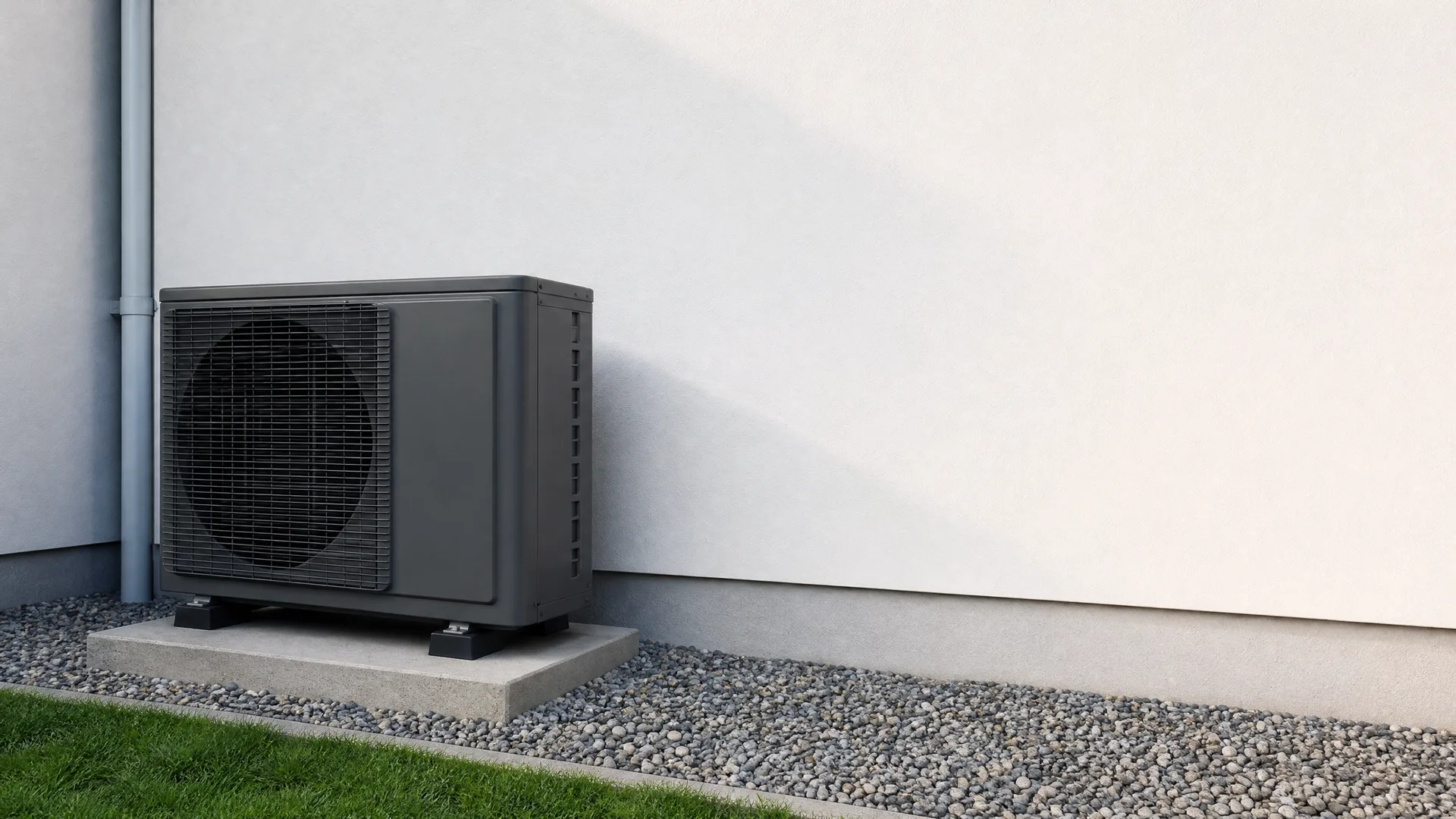
A dark grey air-source heat pump unit on a concrete pad beside a light-coloured rendered wall, surrounded by gravel with a strip of grass in the foreground and a downpipe at the left.

Set it once and leave it

Pick a temperature that works for most of your day and dial it in before the cold settles in for good. The heat pump holds that line steadily, drawing its normal amount of power to keep up with the outside air. You won't see big swings on the gauge or hear the system laboring. This is what a heat pump is built to do well, and it costs you less than asking it to chase a number you moved.

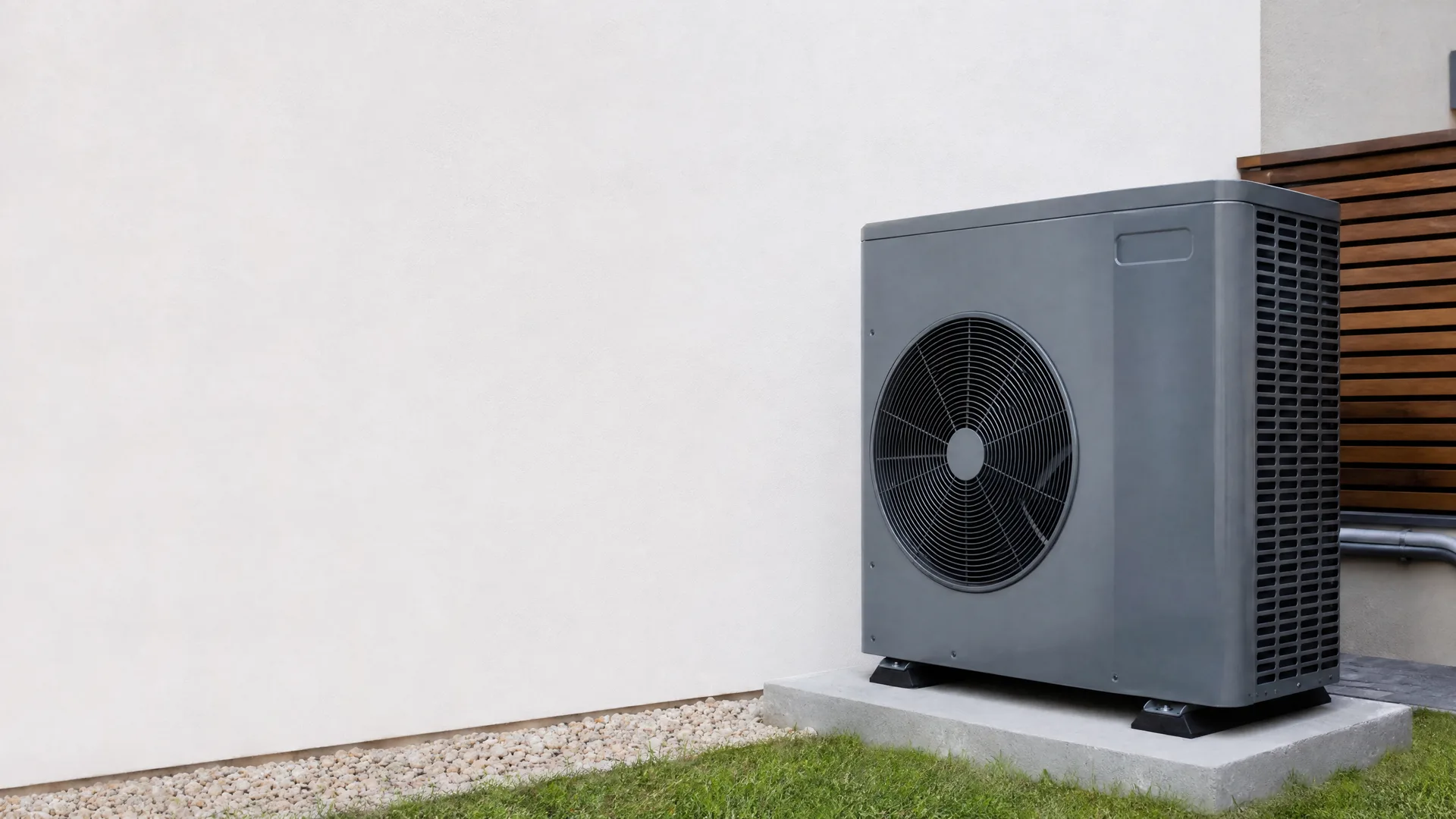
A gray outdoor heat pump unit on a concrete pad beside a white stuccoed wall, with gravel and grass in front and a wooden slat screen behind.

Changing it by hand all day

Some households nudge the thermostat up when someone feels cold and back down when they leave the room, treating it the way they might an old gas furnace. The heat pump answers every one of those changes by ramping up, and depending on how far you set it back, the auxiliary heat may step in to help close the gap. Over a full day of adjustments, that adds up to more runtime than leaving it alone would have.

One setting, held steady through the Indiana cold, is what keeps a heat pump running the way it should. That's the whole answer. If yours is cycling into auxiliary heat more than it should, or holding a coat of ice past the normal defrost, that's a sign for a technician to look at, not a reason to keep adjusting the dial. A local contractor who services heat pumps all winter has seen what usually goes wrong with them in this cold, the same compressor strain, the same frost patterns, the same auxiliary heat habits, and knows what to check first. Send the request and it goes to one contractor, licensed and local, not a handful of companies competing for your callback. You've got the setting right. The rest is making sure the equipment can hold it.

An outdoor heat pump unit with a large circular fan sits on a concrete pad beside a dark horizontal-sided building, with gravel ground and green shrubs at right.

It's off your list after this

The pro who reaches out is licensed in Indiana.

Tune-up, service, or cleaningHeat PumpIndiana
Step 1 of 2

What ZIP code is the job in?