

Running the way it should
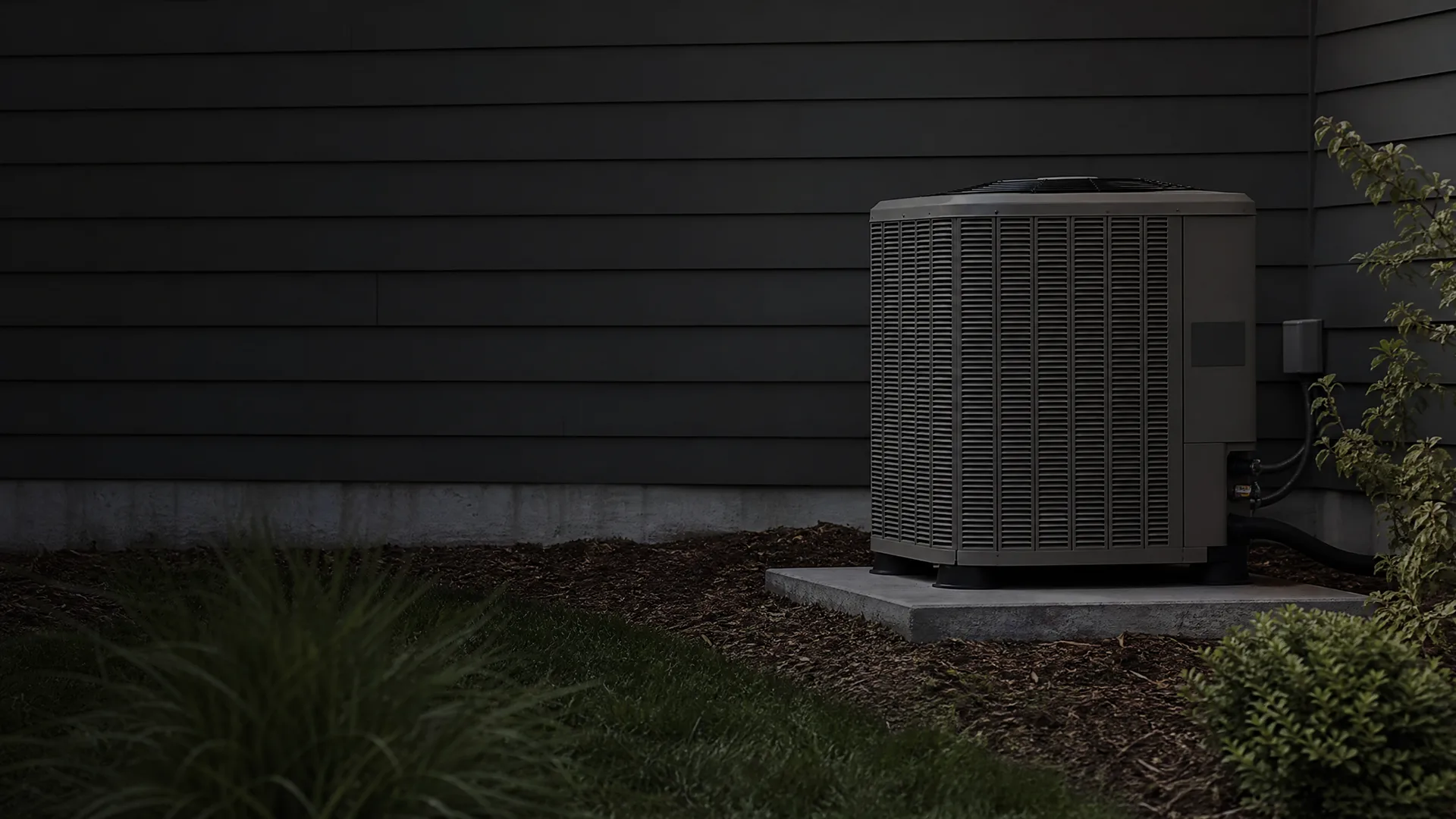
A healthy condenser cycles on, runs steady, and shuts off without drama. The breaker stays set. Air comes out of the vents cold, and the unit outside hums along without you giving it a second thought.
After this form, you can stop searching for an air conditioner pro.
I'm done searchingA breaker that trips once might be a fluke, but one that keeps tripping is the panel telling you something is wrong on that circuit. With Indianapolis summers getting sticky and the outdoor unit running hard for hours at a stretch, a repeat trip usually means the air conditioner itself is drawing more current than the breaker allows, not that the breaker is weak.
Most central air conditioners are direct-drive, so there are no belts to wear out and cause this. The usual cause is the outdoor unit working harder than it should. A condenser coil caked with dirt makes the compressor strain to move heat outside, pulling more amps than the circuit is rated for. A capacitor that has gone weak makes the compressor motor draw a hard, repeated surge every time it starts. A compressor nearing the end of its life can do the same thing on its own. Any of these will trip the breaker again once the system restarts, because the underlying strain is still there. The breaker is doing its job. What needs attention is the unit outside.

A healthy condenser cycles on, runs steady, and shuts off without drama. The breaker stays set. Air comes out of the vents cold, and the unit outside hums along without you giving it a second thought.

A dirty coil guard makes the compressor work harder to push heat outside, and that extra strain pulls more current through the same breaker. Age adds to it. Older contacts and wiring inside the unit wear down and draw more than they used to, and that is often what pushes a breaker from holding to tripping.




The breaker isn't broken. It's doing its job. Every circuit is rated for a certain number of amps, and when the draw on that circuit climbs past it, the breaker opens to keep the wire from overheating. On a central air system, almost all of that draw comes from the compressor, the sealed unit inside the outdoor cabinet that does the actual work of moving refrigerant. It pulls the most current of anything in the system, and the moment it hits hardest is right when it starts, before it's up to speed.
A few things push that starting draw higher than it should be. The start capacitor gives the compressor the jolt it needs to get moving, and once it weakens, the compressor strains longer and pulls more current trying to start. A condenser coil caked with dirt or grass clippings can't shed heat the way it's built to, so the compressor runs under more pressure and draws more amps to do the same job. Low refrigerant charge works the same way from the other direction, raising the pressure the compressor pushes against with every cycle. And apart from all of that, loose or corroded wiring at the disconnect box or the contactor can short directly, which trips the breaker the instant the unit calls for power rather than gradually as it runs. Each of these puts a different kind of strain on the same circuit, and the breaker trips for all of them the same way.


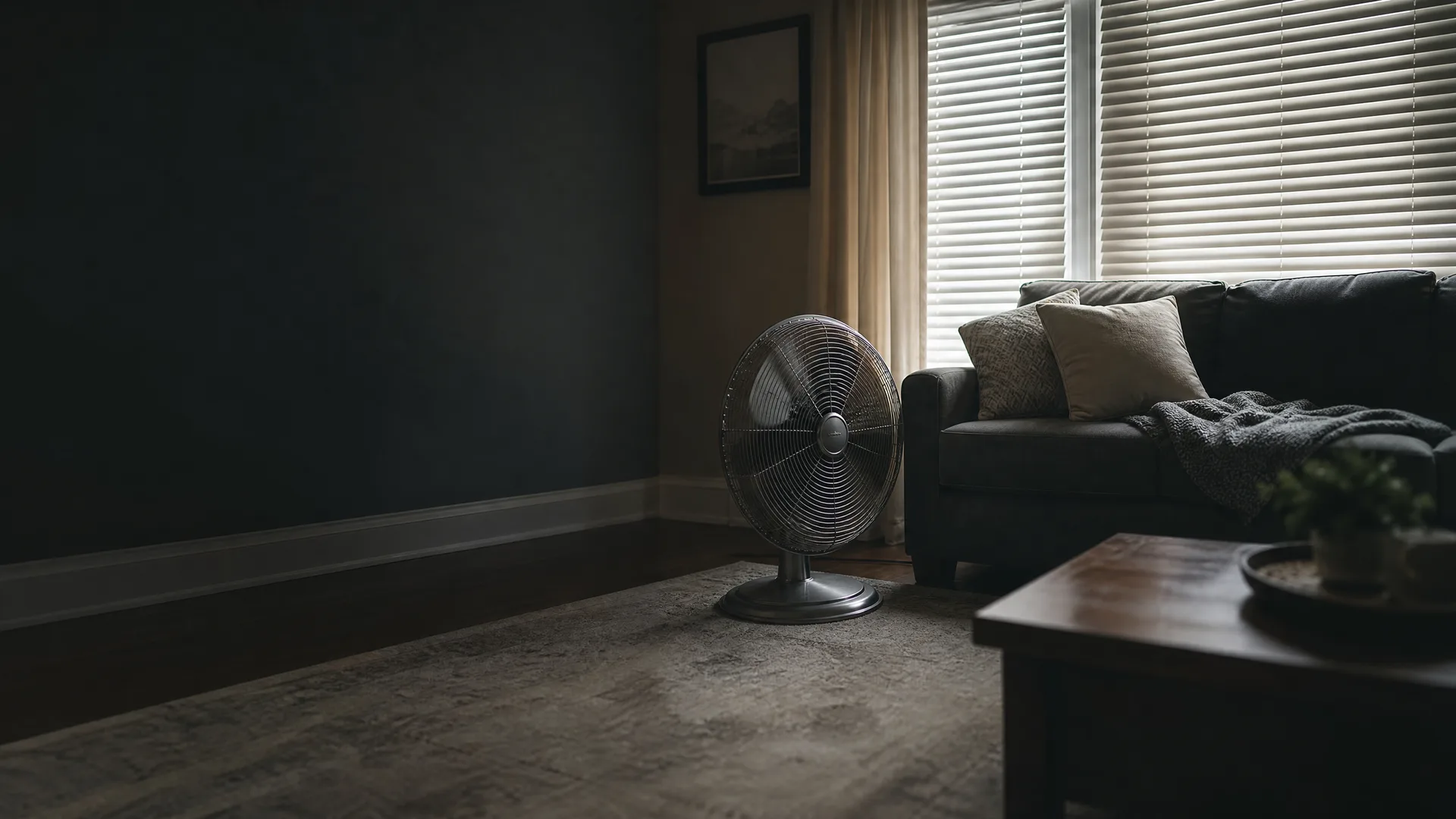
By three in the afternoon the blinds are shut against the sun and the living room is dim except for the light leaking around the edges. The floor fan is going next to the couch, turned up high, and you're sitting close to it because the vents haven't put out real cold air in twenty minutes. Outside the Indianapolis heat sits heavy on the block, the kind of July day that makes the outdoor unit run and run. Then the hum cuts out. You already know before you check the panel. You flip the breaker back, feel the relief of the fan picking up again, and wait to see how long it holds this time.
Answer a few questions instead of calling shop after shop.
Sending the form costs nothing.
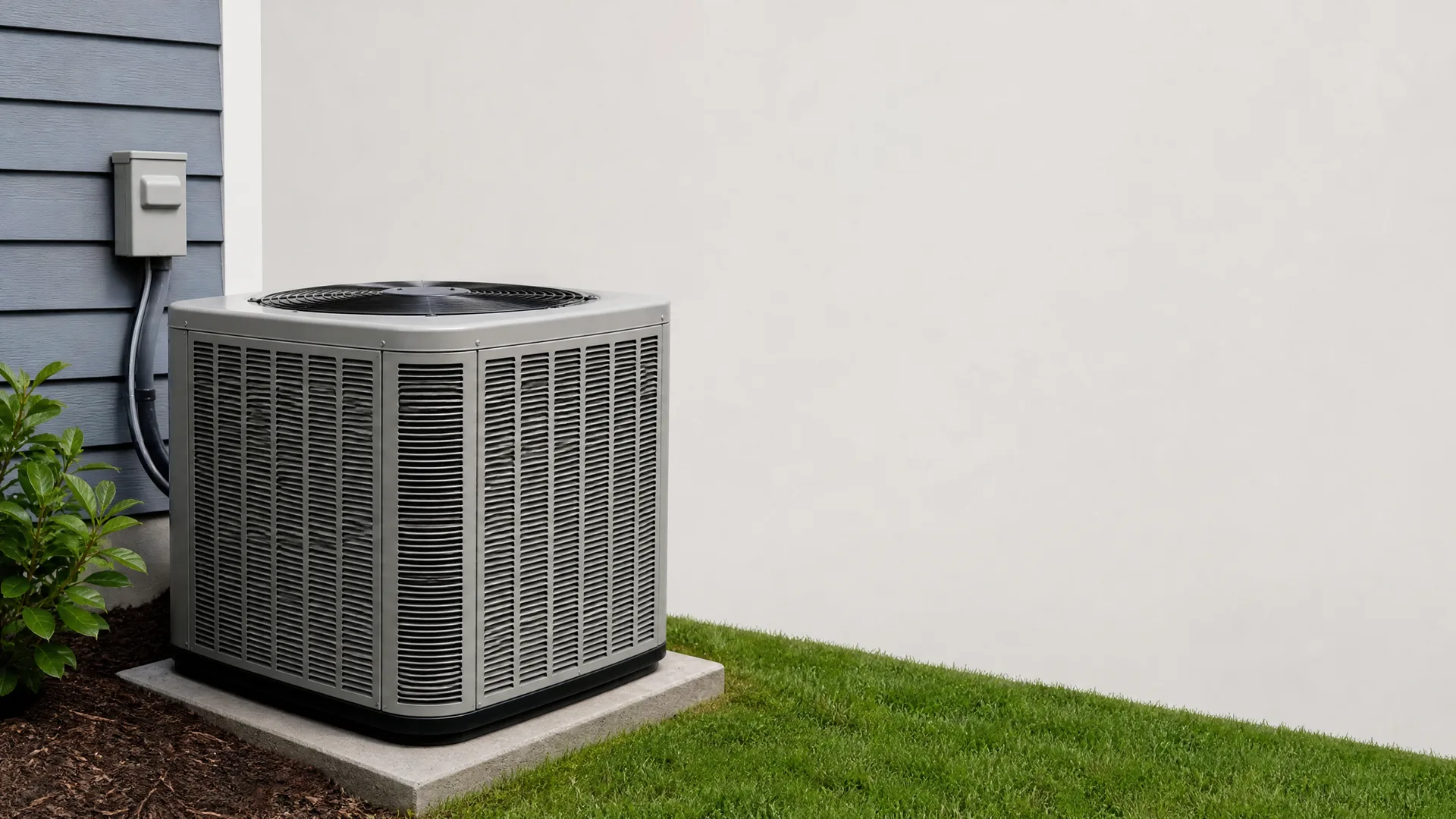
A breaker that trips is doing its job. It opens the circuit before the wire heating up becomes a fire risk. Resetting it without finding out why asks it to catch the same overload again, and nothing about the condenser changes in between. If the draw that tripped it the first time is still there, it trips again, sometimes within minutes, sometimes after it runs a while and heat builds in the compressor windings.
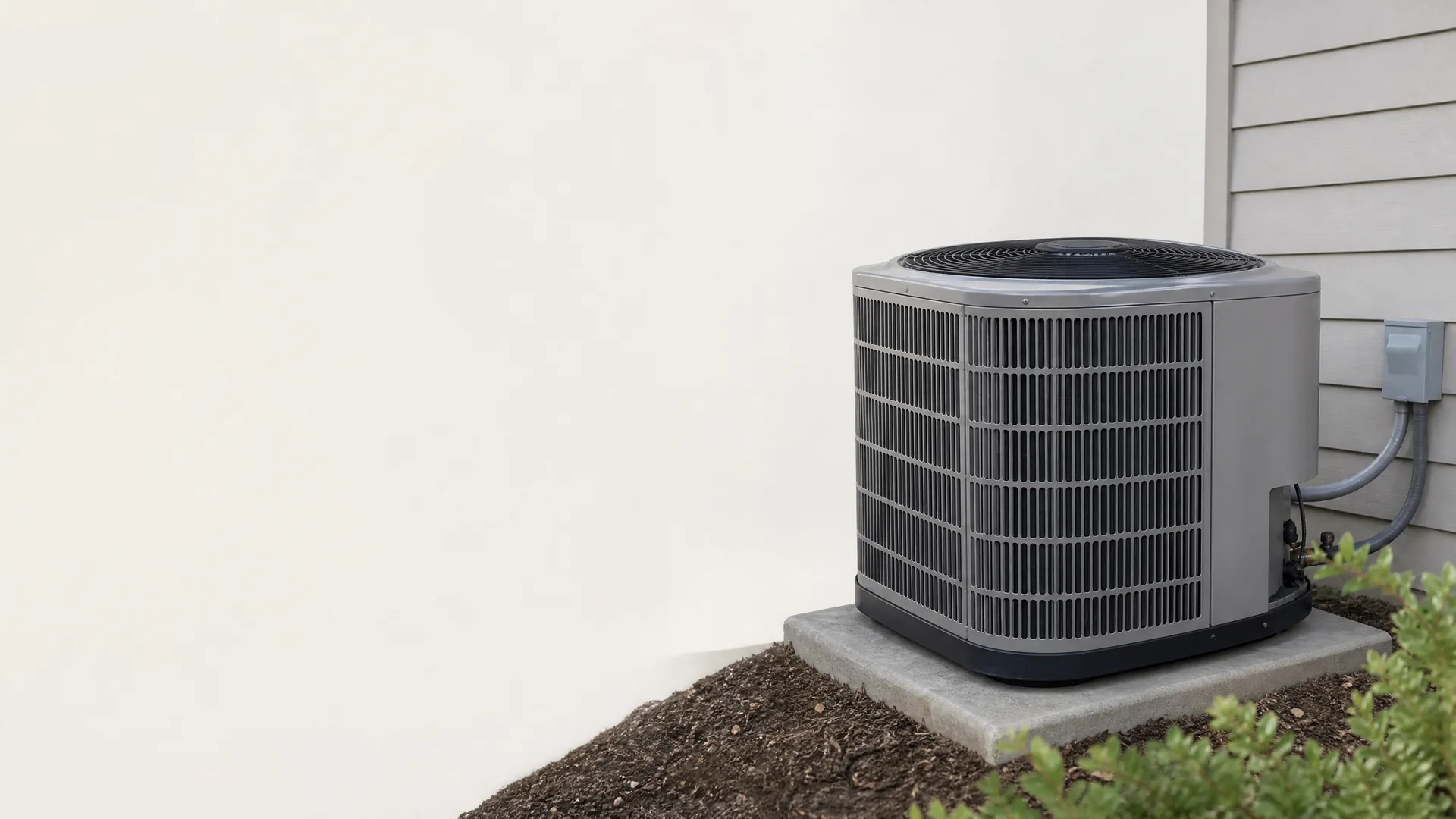
The panel only knows amps, not which part on that circuit is pulling them. It could be the compressor straining against a low charge, a fan motor binding up, or a short in the wiring between the disconnect and the unit. Two condensers tripping the same breaker can have nothing in common inside the cabinet. That's the part a visual check from across the yard won't settle, and why the breaker keeps tripping until someone opens the unit up.


Each reset buys you cold air for a while, but the circuit is still carrying more than it should, and the panel will trip again when the load climbs.
A contractor can find what's pulling the extra current and fix it, so the breaker stops tripping and stays that way.
You've probably noticed the pattern by now. The breaker trips, you walk down to the panel, flip it back, and the air comes on again for a while. Maybe it holds for a day, maybe just a few hours. The outdoor unit might hum or click right before it happens, or it could cut out with no warning at all. Inside, the air coming from the vents may feel weaker than it should, or you've caught the condenser outside straining, its fan slowing down or struggling to start. Left alone, a circuit that keeps overloading wears on the wiring and the breaker itself, and the cooling it's supposed to deliver gets less reliable each time it trips.
A Marion County summer holds a dew point near 64°F across June, July and August, per NOAA data. That's heavy, damp air, the kind that makes your condenser run long stretches instead of cycling off. A unit working that hard pulls more current at startup and keeps pulling it longer each time it kicks on. That's extra load on the same circuit, hour after hour, all summer. If the breaker is already marginal, the sticky months are when it shows. You'll notice the trips cluster on the hottest, muggiest afternoons, not in the mild stretches between them.
NASA POWER T2MDEW

Every trip is a stretch of hours with no cold air moving through the place. The upstairs bedrooms hold onto heat longer than the rest of the house, and by the time you've reset the breaker twice in one afternoon, the whole house has had a chance to warm back up each time before it cools down again. Food in the fridge is fine. The dog panting on the kitchen floor isn't thrilled, and neither are you, standing at the panel for the third time since lunch.
There's also what it does to your evening. Instead of coming home and sitting down, you're down in the basement or out at the side of the house checking the panel, then waiting to see if it holds, then maybe doing it again before bed. If you go the route of calling around for someone to look at the condenser, that's its own stretch of evenings: finding a few names, calling each one, telling each of them the same story about the breaker, then sitting with three quotes trying to work out which one actually knows what they're looking at. Sending the form here skips that part. You explain it once, and the rest of the finding is off your plate.

Four months of real work a year isn't much time for a breaker problem to show up on its own. Most of the strain lands between June and September, so a trip now means the heat is already pushing your condenser past what that circuit can carry.
NOAA nClimDiv 1991-2020
A breaker that keeps tripping is the panel doing its job, and the fix is finding what on that circuit is pulling too much current, not how fast you can get back to the reset switch. That takes someone looking at the condenser itself, the capacitor, the contactor, the wiring, with the heat and damp of an Indianapolis summer pushing it harder than it would run most of the year. You already know the pattern: reset, cold air for a while, then the trip again, maybe sooner each time. What you don't have to take on is the rest of it, calling around for someone who works on this, explaining the breaker and the resets and the noise the unit makes to three different people, waiting on quotes and trying to tell which contractor actually knows what they're looking at. Send the form once and that part is off your plate. Someone licensed to work on this in Marion County takes it from there.
Fill out one short form instead of calling around.
